If you've walked into a dispensary or browsed online cannabis menus recently, you've probably noticed products called "shatter" sitting alongside flower and edibles. The name itself is striking,evoking images of fragile, translucent amber sheets that look more like high-end candy than cannabis. But what exactly is shatter, and why has it become one of the most popular concentrate formats in Canada?
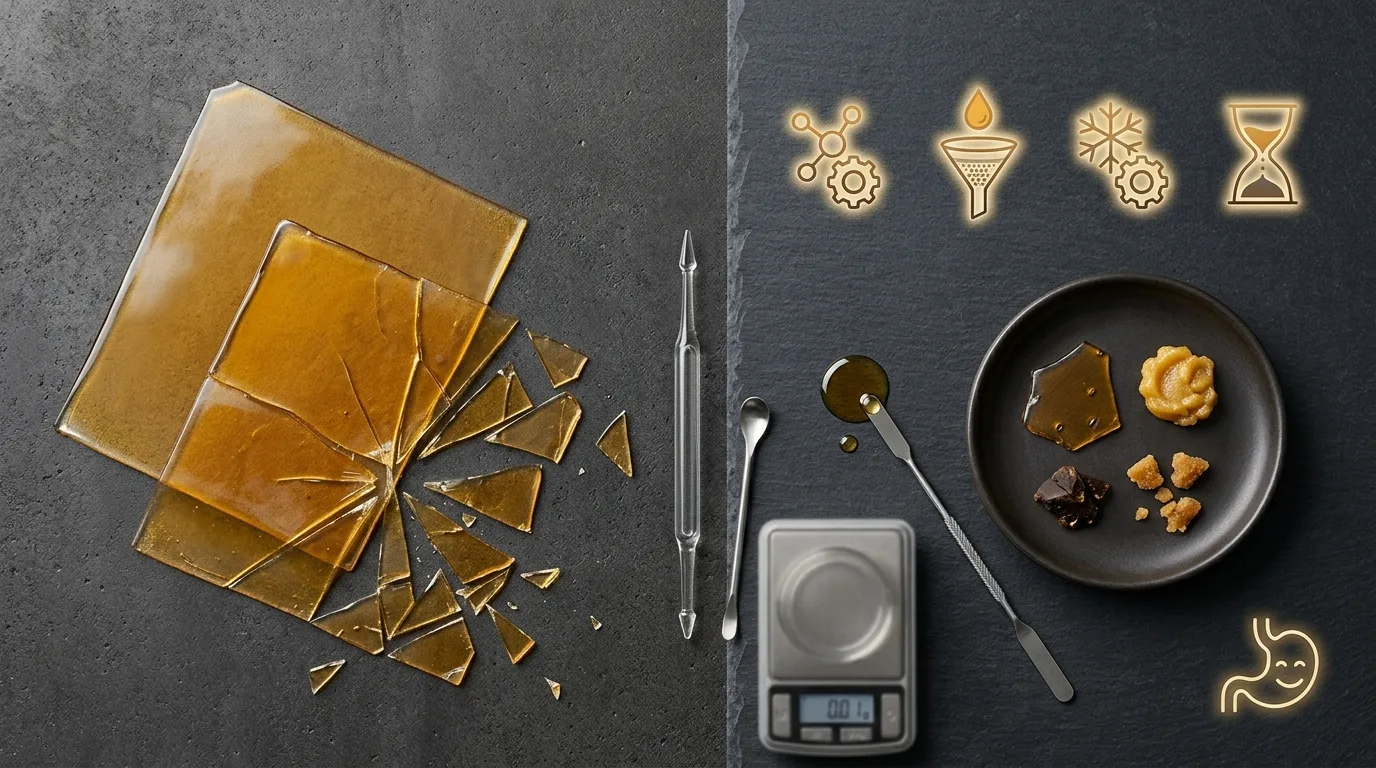
Shatter is a cannabis concentrate known for its glass-like consistency and high THC potency, typically ranging from 70% to 90% THC. It gets its name from its brittle texture,when you try to break off a piece, it shatters like glass. This extract is made by passing solvents through cannabis plant material to strip away cannabinoids and terpenes, then purging those solvents to leave behind a pure, potent product. For experienced users seeking powerful effects without smoking large amounts of flower, shatter delivers concentrated cannabinoids in a format that's easy to dose and relatively shelf-stable.
How Shatter Is Made: The Extraction Process
Understanding what shatter is requires looking at how it's produced. The manufacturing process distinguishes shatter from other concentrates and explains both its appearance and its potency. Unlike simple methods like ice water hash or dry sifting, shatter production involves sophisticated extraction techniques that require specialized equipment and expertise.
Solvent-Based Extraction
Shatter is typically made using hydrocarbon solvents,most commonly butane (BHO, or butane hash oil) or propane. The process begins with high-quality cannabis flower or trim packed into an extraction tube. The solvent is then passed through the plant material under controlled temperature and pressure conditions. As the solvent moves through the cannabis, it dissolves the trichome heads containing cannabinoids (like THC and CBD) and terpenes (aromatic compounds responsible for flavour and aroma).
This solvent-cannabinoid mixture is collected in a separate container, resulting in a golden-amber liquid. At this stage, the extract contains high concentrations of desired compounds but also residual solvents that must be removed before the product is safe for consumption.
Purging and Stabilization
The purging stage is what transforms liquid extract into solid shatter. Producers use vacuum ovens to remove residual solvents while preserving the cannabinoids and terpenes. The extract is spread thinly on trays and placed in a vacuum chamber, where controlled heat and negative pressure cause the solvents to evaporate without degrading the sensitive cannabinoids.
The temperature, duration, and agitation during purging directly affect the final texture. Shatter forms when the extract is left undisturbed during this process, allowing the molecules to align in a more uniform structure. If the extract is whipped or stirred during purging, the same material becomes budder or wax,demonstrating that texture is partly a function of technique, not just starting material.
Quality Control and Testing
Reputable producers test their shatter for residual solvents, potency, and contaminants. In Canada's regulated market, concentrates must meet strict safety standards before reaching consumers. Testing ensures that solvent levels are below safe thresholds (typically under 500 parts per million for butane) and confirms the THC percentage listed on the label.
The clarity and colour of shatter often indicate quality. High-quality shatter appears translucent and ranges from pale golden to deep amber. Cloudiness or dark colouration can suggest improper purging, oxidation, or lower-quality starting material.
Shatter vs Other Concentrates: Understanding the Differences
The concentrate market offers numerous formats,wax, budder, crumble, live resin, rosin, and distillate, among others. Each has distinct characteristics, and choosing between them depends on your priorities regarding potency, flavour, ease of use, and production method.
Shatter vs Wax and Budder
Shatter, wax, and budder often start from the same extraction process but diverge during purging. Wax has a crumbly, opaque texture that resembles ear wax, while budder has a creamy, butter-like consistency. These softer textures result from agitation during purging, which introduces air and disrupts the molecular alignment that creates shatter's glass-like structure.
In terms of potency, these formats are comparable,all typically range from 70% to 90% THC. The main differences lie in handling and stability. Shatter is more stable and less prone to degradation when stored properly, making it ideal for users who buy larger quantities. Wax and budder are easier to handle for those who find shatter too brittle or difficult to portion.
Shatter vs Live Resin
Live resin has gained significant popularity for its superior flavour profile. The key difference lies in the starting material: live resin is made from fresh-frozen cannabis plants rather than dried and cured flower. This preservation of fresh plant material captures volatile terpenes that would otherwise evaporate during the drying and curing process.
While shatter prioritizes potency and stability, live resin emphasizes the full-spectrum experience. Live resin typically has slightly lower THC percentages (60% to 85%) but offers richer, more complex flavours and aromas. The texture of live resin varies from sauce-like to budder consistency,it's rarely as firm as shatter. For connoisseurs who value taste and the entourage effect (the synergistic interaction of cannabinoids and terpenes), live resin often wins. For those seeking maximum potency and long-term stability, shatter remains competitive.
Shatter vs Rosin
Rosin represents a solventless alternative to shatter. It's made by applying heat and pressure to cannabis flower or hash, squeezing out cannabinoid-rich resin without any chemical solvents. This process appeals to consumers concerned about residual solvents or those who prefer a more "natural" extraction method.
Rosin tends to have a sappy or budder-like consistency rather than shatter's brittleness. Potency is comparable,good rosin reaches 70% to 85% THC,but the flavour profile is often more robust due to the absence of solvent processing. The trade-off is availability and price: rosin production yields less product per gram of starting material, making it more expensive than shatter in most markets.
Shatter vs Distillate
Distillate represents the opposite end of the concentrate spectrum. Through a process called fractional distillation, producers isolate individual cannabinoids, creating products that are 90% to 99% pure THC or CBD. Distillate appears clear or pale yellow and has an oil-like viscosity.
While distillate offers maximum potency, it sacrifices terpenes and other compounds in the purification process. The result is a potent but relatively flavourless product,ideal for edibles or vape cartridges where flavour is added separately, but less appealing for dab enthusiasts who value the full-spectrum experience. Shatter sits in the middle ground: highly potent but retaining natural terpenes and a more complete cannabinoid profile than distillate.
How to Use Shatter: Consumption Methods Explained
Shatter's brittle texture and high potency require specific consumption methods. Unlike flower, you can't simply roll it into a joint,though you can add it to one. Understanding your options helps you choose the method that fits your experience level and desired effects.
Dabbing: The Most Common Method
Dabbing involves vapourizing shatter on a heated surface and inhaling the vapour through a specialized water pipe called a dab rig. The process requires a few key components: the rig itself (similar to a bong), a nail or banger (the heated surface, typically made of quartz, titanium, or ceramic), a dabber tool (to handle the shatter), and a butane torch or electronic heating element.
To dab, you heat the nail until it reaches the optimal temperature (typically between 315°C and 400°C for flavour and efficiency), wait a moment for it to cool slightly, then use the dabber to apply a small piece of shatter to the heated surface. The shatter instantly vapourizes, and you inhale the vapour through the rig. A carb cap (a small lid placed over the nail) helps trap heat and ensures complete vapourization.
Dabbing delivers fast-acting, potent effects because you're consuming highly concentrated cannabinoids. New users should start with a piece smaller than a grain of rice,shatter's high THC content means a little goes a long way.
Vapourizing in a Concentrate Pen
Portable concentrate vapourizers (often called dab pens or wax pens) offer a more convenient alternative to traditional rigs. These battery-powered devices feature a small heating chamber where you load shatter. When activated, the chamber heats to vapourize the concentrate, producing vapour you inhale through a mouthpiece.
Concentrate pens are ideal for discreet use and don't require the setup or learning curve of a dab rig. However, they typically produce less vapour per hit and may not vapourize shatter as efficiently as a properly heated nail. Many users find them perfect for on-the-go consumption or situations where setting up a full rig isn't practical.
Adding Shatter to Flower
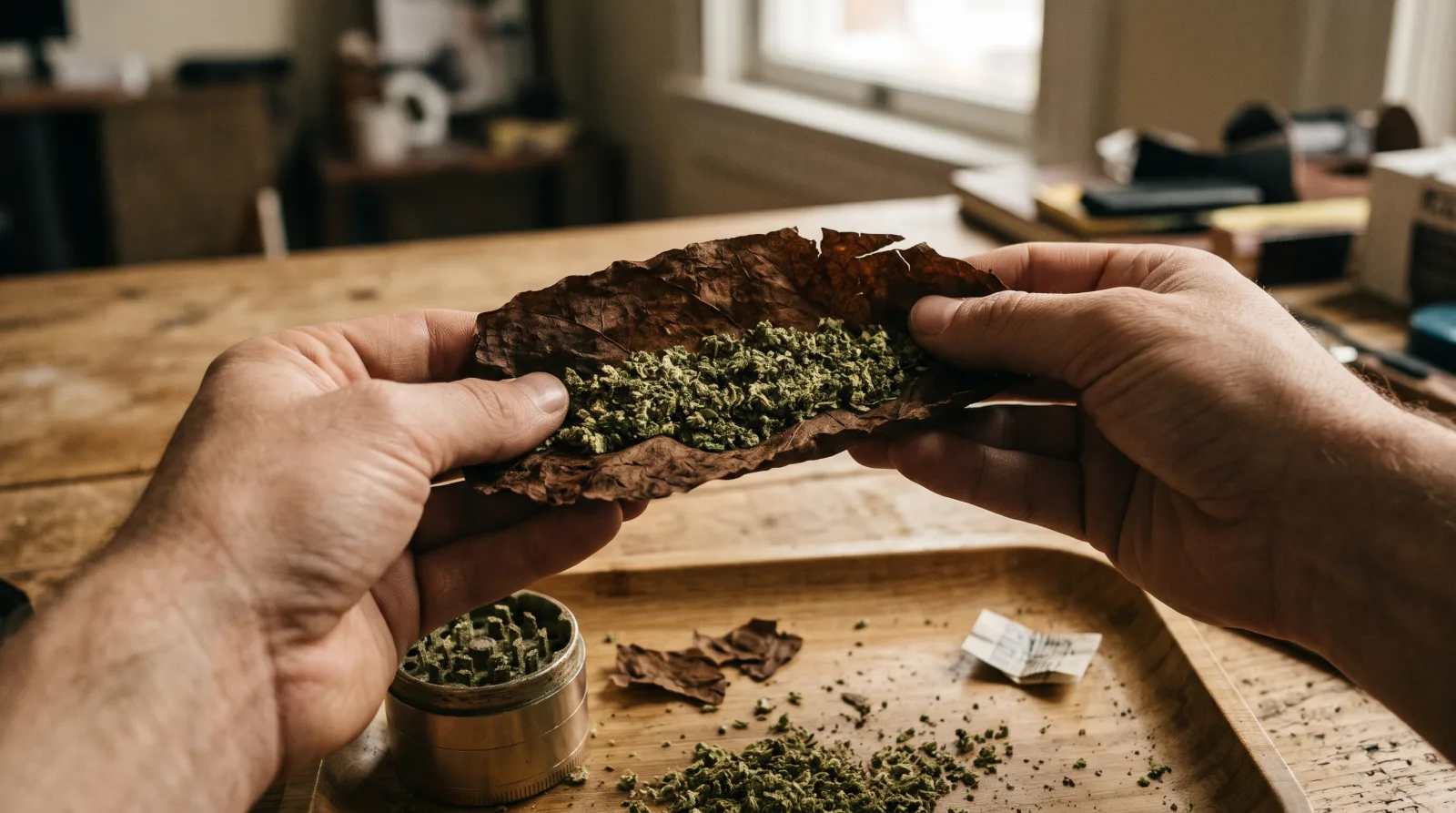
You can enhance regular cannabis flower by adding small amounts of shatter. The most common methods include "twaxing" (wrapping a thin snake of shatter around the outside of a joint) or placing small pieces inside a bowl or bong. This approach increases the potency of your smoke and adds flavour if you're using high-terpene shatter.
Keep in mind that smoking shatter rather than vapourizing it may produce harsher smoke and won't maximize efficiency. Some cannabinoids and terpenes degrade at combustion temperatures. Still, this method requires no special equipment beyond what you'd use for flower, making it accessible for those curious about concentrates but not ready to invest in a rig.
Oral Consumption (Advanced)
Raw shatter isn't psychoactive when eaten because the THC hasn't been decarboxylated (activated through heat). However, you can make potent edibles by decarboxylating shatter in an oven at low temperature (around 110°C for 20-30 minutes) and then infusing it into butter, oil, or other fat-based ingredients. This method allows precise dosing but requires careful temperature control to avoid degrading the cannabinoids.
Given shatter's high potency, a small amount goes a long way in edibles. A single gram of 80% THC shatter contains approximately 800mg of THC,enough for 80 standard 10mg doses or more. Understanding proper edible dosing is critical when working with concentrates to avoid overwhelming experiences.
Effects, Potency and What to Expect
Shatter's high THC concentration produces effects that differ from smoking or vaping flower,not just in intensity, but in onset, duration, and the overall experience. Understanding what to expect helps you use shatter safely and enjoyably.
Potency and THC Content
Most shatter contains between 70% and 90% THC, with some premium products reaching 95%. To put this in perspective, top-shelf cannabis flower typically ranges from 20% to 30% THC. This means shatter is roughly three to four times more potent by weight. A single dab the size of a grain of rice might contain 15-25mg of THC,equivalent to smoking a medium-sized joint of strong flower.
The concentration of THC isn't the whole story, though. Shatter also contains other cannabinoids (like CBD, CBN, and CBG) and terpenes that contribute to the overall effects through the entourage effect. High-quality shatter preserves more of these compounds compared to highly refined products like distillate, resulting in a more nuanced experience.
Onset and Duration
When dabbed or vapourized, shatter produces effects almost immediately,typically within seconds to a minute. This rapid onset occurs because inhaled cannabinoids enter your bloodstream through your lungs, bypassing the digestive system. Peak effects usually arrive within 10-15 minutes and can last 1-3 hours, depending on the dose and your tolerance.
The fast onset differs significantly from edibles, which can take 30 minutes to 2 hours to kick in but last much longer (4-8 hours or more). This makes vapourized shatter ideal for users who want precise control over their experience,you can assess effects quickly and decide whether to consume more.
Effects and Experience
The effects of shatter depend on the strain used to make it. Indica-dominant shatter tends to produce relaxing, sedative effects that may help with sleep, pain relief, and stress reduction. Sativa-dominant shatter typically offers more energizing, uplifting effects that enhance creativity and focus. Hybrid shatter falls somewhere in between, offering balanced effects.
Regardless of strain, shatter's high potency means effects are more intense than smoking equivalent amounts of flower. New users often report feeling overwhelmed by strong cerebral effects, increased heart rate, or anxiety if they consume too much. Starting with very small doses,especially if you're accustomed to flower,allows you to gauge your tolerance and avoid unpleasant experiences.
Experienced users appreciate shatter for delivering powerful effects without the large volume of smoke required when using flower. For medical patients managing chronic pain, inflammation, or other conditions requiring high cannabinoid doses, shatter offers efficient relief.
Tolerance Considerations
Regular shatter use can increase your tolerance to THC more quickly than flower consumption. The concentrated doses mean your endocannabinoid system receives larger amounts of cannabinoids per session, which may lead to tolerance buildup. Users who dab daily often find they need larger doses to achieve the same effects over time.
Taking periodic tolerance breaks (typically 3-7 days or longer) allows your cannabinoid receptors to reset. Some users alternate between concentrates and flower, or reserve shatter for evening use while consuming lower-potency products during the day.
Storage, Shelf Life and Quality Preservation
Proper storage is essential for maintaining shatter's potency, flavour, and texture. Unlike flower, which has some natural protective properties from its plant structure, exposed concentrates are vulnerable to degradation from light, heat, air, and moisture.
Optimal Storage Conditions
Shatter should be stored in an airtight container, ideally made of glass or medical-grade silicone. Many users prefer small glass jars with tight-fitting lids, as these protect the product without allowing terpenes to absorb into the storage material. Silicone containers are convenient because shatter doesn't stick to them, making it easy to retrieve, but some terpenes may interact with lower-quality silicone over time.
Temperature matters significantly. Store shatter in a cool, dark place away from direct sunlight. Room temperature (around 20-22°C) is acceptable for short-term storage (a few weeks), but for longer periods, refrigeration extends shelf life by slowing oxidation and terpene degradation. If refrigerating, ensure your container is truly airtight to prevent condensation, which can introduce moisture and compromise the product.
Some connoisseurs freeze their shatter for long-term storage (several months to a year). This method effectively pauses degradation, but requires careful handling,frozen shatter becomes extremely brittle and may shatter into tiny, hard-to-handle pieces. Always allow frozen shatter to reach room temperature before opening the container to avoid condensation.
Signs of Degradation
Fresh, high-quality shatter appears translucent with colours ranging from pale gold to deep amber, depending on the strain and extraction method. As shatter ages or is stored improperly, you may notice several changes. Darkening colour, especially turning brown or opaque, indicates oxidation and the conversion of THC to CBN (a less psychoactive cannabinoid with more sedative properties). While this doesn't make the shatter unsafe, it does reduce potency and alter effects.
Texture changes also signal degradation. Shatter that becomes sticky or sappy has likely been exposed to heat or humidity. This doesn't necessarily ruin the product, but the altered consistency can make it harder to handle and portion. If shatter develops a white, powdery appearance, it may have "sugared up",a crystallization process where THC molecules separate and form a granular texture. Sugared shatter is still usable but may have lost some terpenes, affecting flavour.
Loss of smell indicates terpene evaporation. Fresh shatter should have a pronounced aroma characteristic of its strain. If your shatter becomes odourless or smells musty, it has degraded significantly.
Maximizing Shelf Life
With proper storage,airtight container, cool temperature, darkness,shatter can maintain quality for 6-12 months or longer. The key factors are minimizing exposure to the four enemies: light (especially UV), oxygen, heat, and moisture. Each time you open your container, you expose the product to oxygen and humidity, so consider portioning shatter into smaller containers if you buy in bulk. This way, you only expose a portion at a time while keeping the rest sealed.
Using clean tools when handling shatter also preserves quality. Oils from your fingers, dust, or contaminants can affect taste and introduce bacteria or mold, especially if moisture is present. Always use a clean dabber or tool rather than touching shatter directly.
Safety Considerations and Responsible Use
Shatter's high potency and extraction process raise safety considerations that every user should understand before consuming this concentrate.
Start Low and Go Slow
The most common mistake new concentrate users make is taking too large a dab. Because shatter is three to four times more potent than flower, your usual consumption amount doesn't translate directly. A dab the size of half a grain of rice is a reasonable starting point for someone accustomed to cannabis but new to concentrates. Wait at least 15-20 minutes to assess effects before considering a second dose.
Signs of excessive consumption include intense anxiety, paranoia, rapid heart rate, dizziness, or overwhelming psychoactive effects. While THC overdose isn't fatal, these experiences can be extremely uncomfortable. If you consume too much, find a safe, calm environment, drink water, and remember that effects are temporary. Understanding how THC potency works helps you make informed decisions about appropriate doses.
Quality and Purity
Only purchase shatter from reputable sources that provide lab testing results. Unregulated or black-market concentrates may contain residual solvents at unsafe levels, pesticides, heavy metals, or other contaminants. In Canada's legal market, licenced producers must meet strict testing standards, but products from unverified sources carry risks.
Lab results should show residual solvent levels well below safety thresholds (under 500 ppm for butane), confirm the THC percentage, and screen for contaminants. Avoid products that lack testing documentation or make suspicious claims about purity or potency.
Equipment Safety
If dabbing, exercise caution with butane torches and extremely hot surfaces. Quartz bangers and titanium nails can reach temperatures over 500°C, causing severe burns if touched. Always place hot equipment on a stable, heat-resistant surface and ensure torches are completely extinguished after use. Electronic nails (e-nails) eliminate the need for torches, offering safer, more consistent temperature control.
Never attempt to make shatter at home unless you have professional training and proper equipment. Homemade BHO extraction is extremely dangerous,butane is highly flammable and heavier than air, meaning it accumulates near the ground where any spark can cause explosions. Numerous injuries and deaths have occurred from DIY extraction attempts. Leave concentrate production to licenced professionals with proper safety equipment and facilities.
Legal Considerations
In Canada, adults 19 and older (18 in Alberta and Quebec) can legally purchase concentrates from licenced retailers. The legal possession limit for concentrates is 7.5 grams (equivalent to 30 grams of dried flower). Keep products in their original packaging if transporting them, and never drive under the influence of cannabis,impairment laws apply to all forms of THC.
Shatter Products Worth Knowing About
The Canadian cannabis market offers numerous shatter options at different price points and quality levels. While we've discussed shatter in general terms, seeing a real product example helps illustrate what to look for.

Drizzle Factory Shatter
Shop Drizzle Factory Shatter, a cannabis concentrate, through Uper Weed’s Canadian on...
When evaluating shatter products, look for clear information about the extraction method, THC percentage, terpene content if available, and lab testing results. Price often correlates with quality,premium shatter made from top-shelf flower with careful extraction and purging typically costs more than budget options, but the difference in purity, flavour, and effects is noticeable.
Consider starting with smaller quantities (0.5g or 1g) when trying a new brand or strain. This allows you to assess quality without committing to larger amounts. Once you find products you enjoy, buying in bulk (3.5g or more) often provides better value.
Frequently Asked Questions About Shatter
Properly stored shatter lasts 6-12 months or longer while maintaining potency and flavour, compared to 6-12 months for flower. Shatter's lack of plant matter and moisture makes it more shelf-stable than flower when stored correctly in airtight containers away from light, heat, and humidity. However, terpenes in shatter can degrade faster than cannabinoids if exposed to air, so airtight storage is critical.
Shatter contains 70-90% THC compared to 15-30% in flower, making it 3-4 times more potent by weight. However, strength also depends on consumption method and dosage. A small dab of shatter delivers effects comparable to smoking a substantial amount of flower. Edibles are harder to compare directly because they metabolize differently, producing longer-lasting, more body-focused effects. In terms of THC concentration, shatter is significantly stronger than flower and most edibles.
While you can add small pieces of shatter to flower in a pipe or bong, smoking it alone isn't efficient. Shatter melts and vapourizes rather than burning like flower, so much of it will simply melt into your bowl rather than producing smoke. For best results, use a dab rig or vapourizer designed for concentrates. These devices heat shatter to the precise temperature needed for vapourization without combustion, maximizing efficiency and flavour.