If you've spent any time browsing cannabis products online or chatting with fellow enthusiasts, you've probably heard the term "live resin" tossed around with reverence. It's often described as the pinnacle of cannabis concentrates, commanding premium prices and devoted followers. But what exactly is live resin, and why does it spark such passionate discussion among cannabis consumers?
Live resin is a cannabis concentrate made from freshly harvested plants that are flash-frozen immediately after cutting, preserving the full spectrum of cannabinoids and terpenes that would otherwise degrade during traditional drying and curing. The result is a concentrate that captures the living plant's complete chemical profile, delivering unmatched flavour and aroma that conventional concentrates simply can't replicate. For Canadian consumers exploring the upper echelons of cannabis quality, understanding live resin is essential to making informed purchasing decisions.
The Science Behind Live Resin: Why Fresh-Frozen Matters
Traditional cannabis processing follows a well-worn path: harvest, dry, cure, then extract. This method works, but it comes with a hidden cost. During the drying and curing process, which can take weeks, delicate terpenes begin to evaporate and cannabinoids start to degrade. The plant matter loses moisture, trichomes become brittle, and the vibrant aromatic compounds that give each strain its unique character litreally disappear into thin air.
Live resin takes a dramatically different approach. Within hours of harvest, the entire plant is flash-frozen to temperatures well below zero, typically around -40°C or colder. This extreme cold halts all enzymatic processes instantly, locking in the plant's chemistry at peak ripeness. The terpene profile remains intact, cannabinoid ratios stay stable, and the essence of the living plant is preserved in suspended animation until extraction.
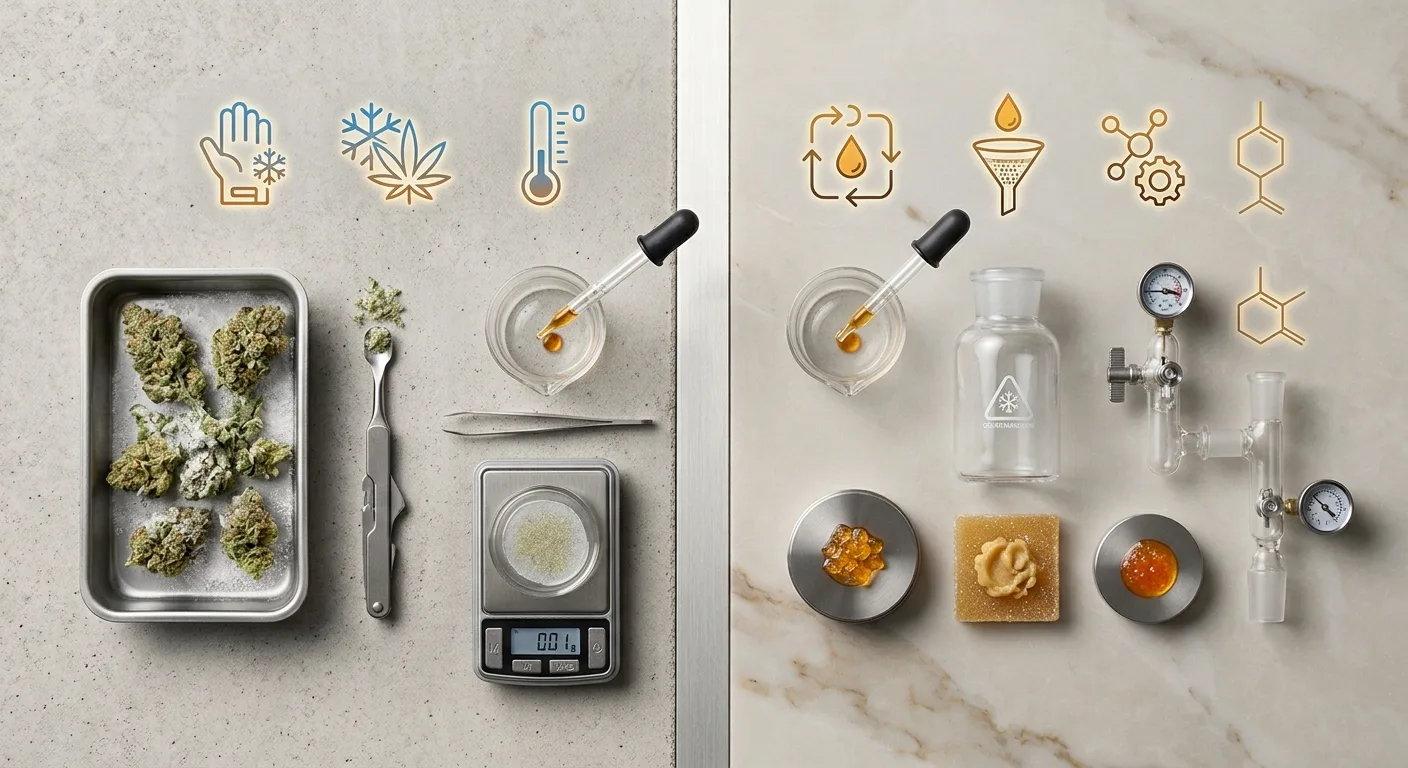
The extraction process itself requires specialized equipment designed to work with frozen material. Standard extraction methods struggle with frozen plant matter, but live resin processors use closed-loop systems with precisely controlled temperatures and pressures. Butane or propane solvents pass through the frozen biomass, selectively dissolving the desired compounds while leaving behind unwanted plant material. The solvent is then carefully purged, leaving behind a concentrate that's rich in both cannabinoids and the full terpene spectrum.
Terpene Preservation: The Real Differentiator
Terpenes are the aromatic compounds that give cannabis its distinctive smells and contribute significantly to its effects through the entourage effect. In traditionally processed cannabis, terpene loss can reach 50-60% or more. Live resin, by contrast, can retain 80-95% of the original terpene content, depending on the extraction technique and starting material quality.
This preservation isn't just about smell. Terpenes like myrcene, limonene, and caryophyllene interact synergistically with cannabinoids to modulate effects. A concentrate with full terpene expression delivers a more complete experience that better represents the strain's intended characteristics. Users consistently report that live resin provides effects more aligned with the flower experience than other concentrate forms.
Live Resin vs Other Concentrates: Understanding the Differences
The concentrate market offers numerous options, each with distinct production methods and characteristics. Understanding where live resin fits in this landscape helps consumers make choices aligned with their preferences and budgets.
Shatter and wax are made from dried, cured cannabis using butane hash oil (BHO) extraction. These concentrates can reach very high THC percentages, often 70-90%, but they sacrifice terpene content in the process. The consistency differs based on post-extraction manipulation and cannabinoid ratios, but both start with plant material that has already lost significant aromatic compounds during drying.
Rosin represents a solventless alternative made by applying heat and pressure to cannabis flower or hash. Live rosin takes this concept further by using fresh-frozen material, making it the closest competitor to live resin in terms of terpene preservation. Live rosin commands even higher prices than live resin due to lower yields and more labour-intensive production, but many connoisseurs consider it the ultimate concentrate for purity and flavour.
Distillate strips away everything except specific cannabinoids, typically THC, through a refinement process. While distillate can reach 95%+ THC, it's essentially flavourless and odourless until terpenes are reintroduced. Some manufacturers add live resin-derived terpenes to distillate cartridges, creating a middle ground between purity and flavour, but this doesn't replicate the synergistic effects of a full-spectrum extract.
Price and Value Considerations
Live resin typically costs 20-40% more than comparable amounts of shatter or wax. A gram might run $40-$70 depending on quality and source, while traditional BHO products hover in the $25-$45 range. This premium reflects the more complex production process, lower yields, and superior starting material required for quality live resin.
For consumers who prioritize flavour and the entourage effect, this price difference represents value rather than luxury. The richer experience and more complete cannabinoid profile mean users often consume less product per session while achieving desired effects. When potency is measured beyond simple THC percentages, live resin's comprehensive chemical profile delivers efficiency that partially offsets its higher sticker price.
How to Use Live Resin: Methods and Best Practices
Live resin's consistency ranges from saucy and terpy to more stable sugar or budder forms, depending on how it's processed after extraction. This versatility means it works with multiple consumption methods, though some preserve its qualities better than others.
Dabbing remains the most popular method for consuming live resin. Using a dab rig with a quartz banger or electronic nail allows precise temperature control, which is critical for preserving terpenes. Low-temperature dabs between 315-450°F (157-232°C) vapourize terpenes and cannabinoids without combusting them, delivering smooth, flavourful hits that showcase the concentrate's full profile. Higher temperatures provide bigger clouds but sacrifice flavour and can produce harsh, less pleasant vapour.
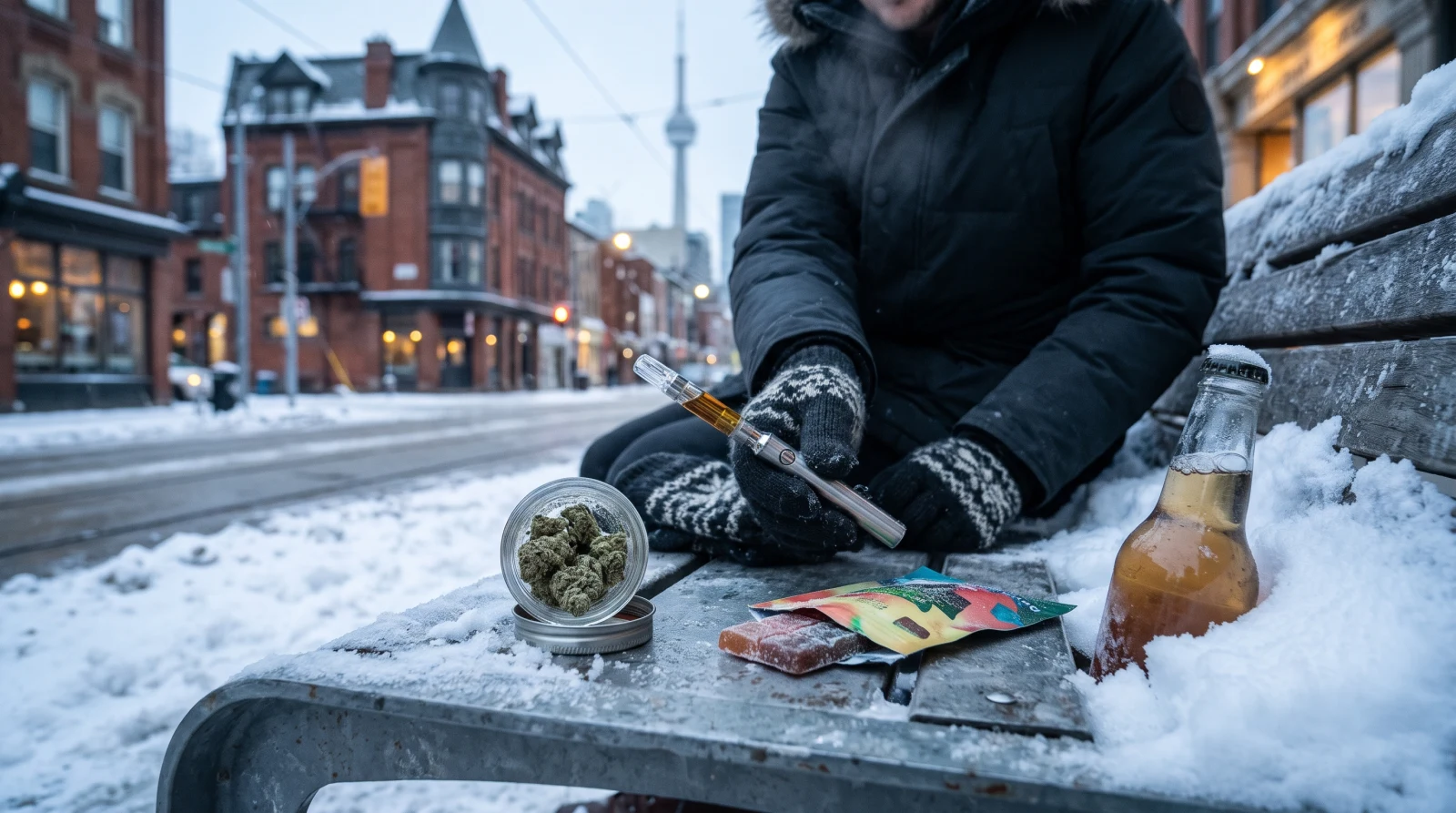
Vape pens designed for concentrates offer a more portable option. Live resin cartridges have become increasingly popular, though they require cartridge-filling equipment or purchasing pre-filled options. The convenience factor is significant, but vape pens typically operate at fixed temperatures that may not be ideal for preserving delicate terpenes. Still, a quality live resin cartridge delivers vastly superior flavour compared to distillate alternatives.
Enhancing Flower with Live Resin
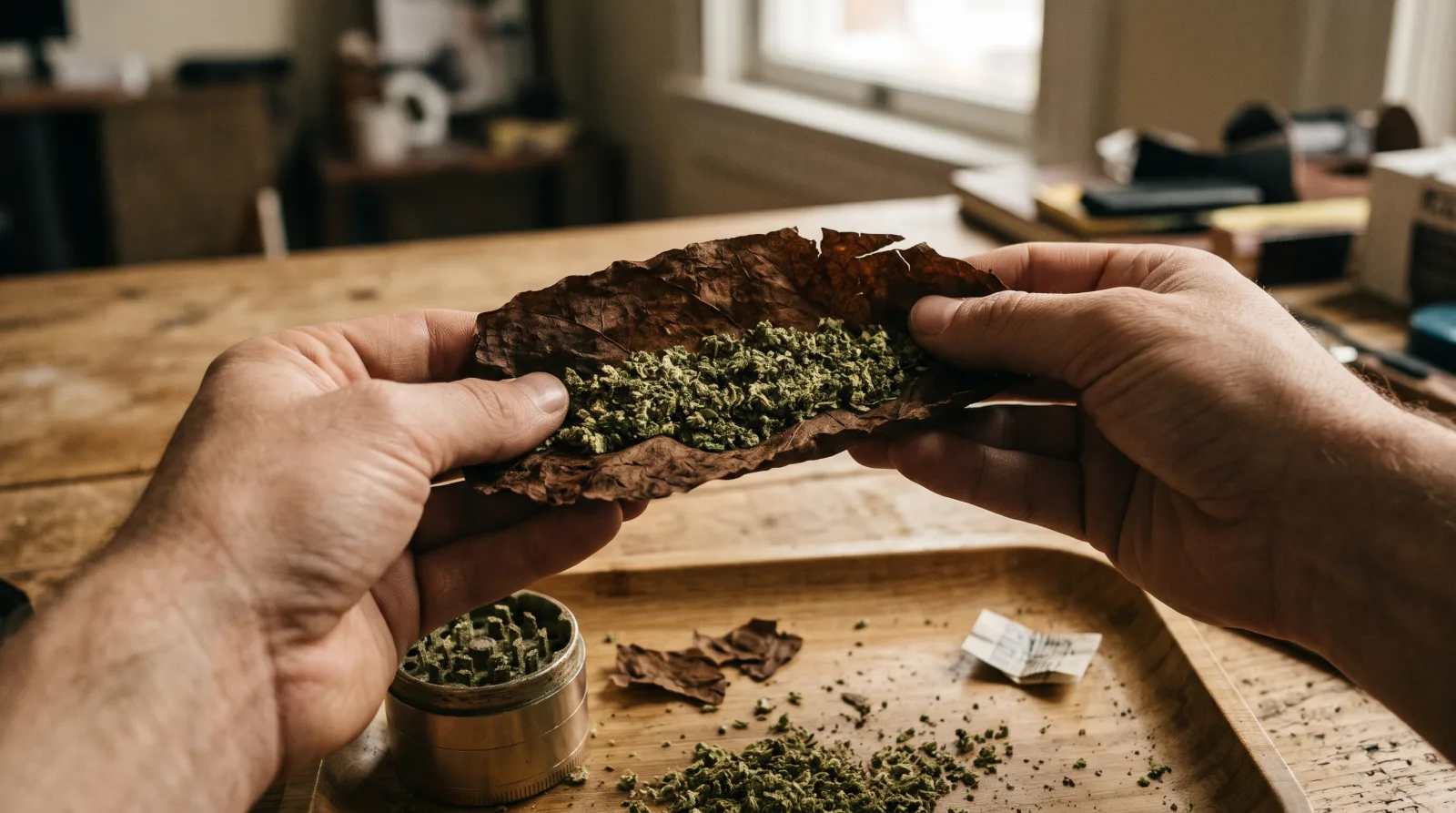
Adding small amounts of live resin to flower in joints or bowls dramatically enhances potency and flavour. A rice-grain-sized dab mixed into a bowl or spread inside a joint paper before rolling creates an elevated experience without requiring specialized equipment. This method works particularly well for users who enjoy smoking but want occasional extra intensity.
The key is moderation. Live resin concentrates cannabinoids significantly, typically containing 65-85% THC compared to 15-25% in flower. A little goes a long way, and new users should start with tiny amounts to gauge their tolerance. Understanding your personal tolerance threshold applies to concentrates just as much as edibles.
Quality Indicators: What to Look for When Buying Live Resin
Not all live resin is created equal. The Canadian market offers a wide range of quality levels, and knowing what separates exceptional products from mediocre ones protects your investment and ensures a better experience.
Colour provides the first clue. Premium live resin ranges from light gold to amber, with clarity that suggests minimal residual plant material or contaminants. Dark, murky concentrates often indicate poor starting material, improper extraction parameters, or inadequate purging. While colour isn't everything, it's a useful initial screening tool.
Terpene expression should be immediately obvious. Quality live resin smells powerfully of its source strain, with complex, layered aromas that mirror the fresh plant. If a product smells faintly of cannabis or has chemical undertones, it's either been poorly extracted or wasn't truly made from fresh-frozen material. The "live" in live resin should be evident in every whiff.
Consistency varies legitimately based on post-extraction processing and cannabinoid ratios, but it should be appropriate to the product type. Sauce should be terpy and liquid with visible crystals, sugar should have a granular texture, and budder should be smooth and creamy. Products that seem excessively dry, separated, or difficult to manipulate may have quality issues or improper storage.
Lab Testing and Transparency
Reputable producers provide lab testing results showing cannabinoid percentages, terpene profiles, and confirmation that the product is free from residual solvents, pesticides, and contaminants. In Canada's regulated market, this testing is mandatory for legal products, but levels of transparency vary.
Look for detailed terpene breakdowns, not just total terpene content. A concentrate claiming 8% terpenes is impressive, but knowing which specific terpenes are present provides insight into expected effects and flavour. Myrcene-dominant profiles tend toward relaxation, while limonene-heavy extracts often feel more uplifting.
Residual solvent testing should show non-detectable levels or amounts well below safety thresholds. Proper purging eliminates butane or propane completely, and any reputable extractor achieves this consistently. If lab results aren't readily available or show concerning solvent levels, find a different product.
Storage and Shelf Life: Keeping Live Resin Fresh
Live resin's rich terpene content is its greatest asset but also its vulnerability. Terpenes are volatile compounds that degrade when exposed to heat, light, and oxygen. Proper storage extends shelf life and preserves the qualities you're paying premium prices to enjoy.
Refrigeration is ideal for long-term storage. Keeping live resin in an airtight, opaque container in the refrigerator slows terpene evaporation dramatically. Some enthusiasts go further, storing concentrates in the freezer for extended periods. While this works, frequent temperature cycling as you remove and replace containers can introduce condensation, so freezer storage works best for products you won't access regularly.
Short-term storage is less demanding but still requires attention. An airtight silicone or glass container kept in a cool, dark place works well for concentrates you'll consume within a few weeks. Avoid leaving containers open unnecessarily, and always handle live resin with clean tools to prevent contamination.
Signs of Degradation
Fresh live resin smells vibrant and complex. As it ages, terpenes evaporate and the aroma becomes muted or develops off-notes. Colour may darken slightly, though this isn't always a problem. The texture can change too, with saucy products becoming drier and more crystalline as terpenes dissipate.
None of these changes make live resin unsafe, but they diminish the experience. Degraded live resin still contains cannabinoids and will produce effects, but you're no longer getting what you paid for. Much like understanding how edibles maintain their potency over time, knowing live resin's shelf life helps you consume products at their peak.
The Canadian Live Resin Market: What's Available
Canada's legal cannabis market has matured significantly since legalization, and the concentrate segment has evolved from basic offerings to sophisticated products rivaling legacy market quality. Live resin availability has expanded beyond major urban centres, with mail-order services bringing premium concentrates to consumers across the country.
Major licenced producers have entered the live resin space, offering consistent products through provincial retailers. These options provide safety and regulatory compliance, though prices tend toward the higher end of the spectrum. Quality varies, with some LPs producing exceptional live resin while others prioritize volume over refinement.
The craft concentrate market operates in parallel, with small-batch producers focusing on strain-specific extractions and artisanal techniques. These products often showcase superior terpene profiles and more interesting genetics, though accessing them requires navigating mail-order platforms or specialized retailers. For consumers who appreciate nuance and are willing to pay for it, craft live resin represents the category's pinnacle.
Pricing has become more competitive as production scales up and techniques improve. Entry-level live resin from budget-focused producers starts around $30-$35 per gram, mid-tier products from established extractors run $40-$55, and top-shelf craft live resin can exceed $60-$70 per gram. Bulk purchasing often provides significant savings, with discounts for multiple grams or mixed strain selections.
Regional Variations and Availability
Urban centres like Toronto naturally offer the widest selection through both retail stores and delivery services. Understanding legal delivery options in Toronto helps consumers access premium concentrates conveniently while staying within regulatory boundaries.
Smaller communities and rural areas have more limited retail access, but mail-order services have democratized the market considerably. Canada Post delivers to virtually every address in the country, meaning a consumer in rural Saskatchewan has access to the same products as someone in downtown Vancouver, albeit with slightly longer shipping times.
Explore Premium Cannabis Products
Browse our curated selection of quality cannabis products with discreet delivery across Canada.
Shop NowMaking Informed Choices: Is Live Resin Right for You?
Live resin isn't for everyone, and that's perfectly fine. It occupies a specific niche in the cannabis market, catering to users who prioritize flavour, terpene effects, and the complete cannabis experience over simple potency or value.
Consider live resin if you're a flavour enthusiast who notices and appreciates the nuances between strains. If you find that concentrates all taste similar or you don't particularly care about terpene profiles, traditional BHO products offer excellent value without the premium price. Live resin shines brightest for consumers who can articulate the difference between limonene and linalool dominance, who seek specific strain effects, and who view cannabis as an experience rather than merely a delivery mechanism for THC.
New concentrate users might want to start elsewhere. The high potency and rich terpene content can be overwhelming without a foundation of experience. Building tolerance and familiarity with more straightforward concentrates like shatter or distillate provides better introduction before investing in premium products. Understanding how different cannabis types affect you with flower translates to making better concentrate choices too.
Budget-conscious consumers should evaluate whether live resin's benefits justify the premium. If you consume concentrates daily in large quantities, the cost difference adds up quickly. But if you dab occasionally and want each session to be memorable, investing in quality live resin makes sense. Some users keep both options on hand, saving live resin for special occasions while using less expensive concentrates for routine consumption.
Medical Users and Therapeutic Applications
Medical cannabis patients often find particular value in live resin's full-spectrum profile. The entourage effect, where cannabinoids and terpenes work synergistically, can provide more effective symptom relief than isolated compounds. Patients treating chronic pain, anxiety, or sleep disorders frequently report better outcomes with terpene-rich concentrates compared to distillate or high-THC products with minimal supporting compounds.
The precision of concentrate dosing also benefits medical users. A small dab delivers predictable effects quickly, allowing for titration and fine-tuning dosage throughout the day. This control surpasses smoking flower in many respects, though it requires more initial investment in equipment.
Frequently Asked Questions About Live Resin
Live resin typically contains 65-85% THC compared to 15-25% in flower, making it approximately 3-5 times more potent by weight. However, potency isn't just about THC percentage. The preserved terpene profile in live resin creates an entourage effect that can make lower-THC live resin feel more effective than higher-THC concentrates with minimal terpenes. Start with very small amounts, roughly the size of a grain of rice, until you understand how your body responds.
Making live resin at home is extremely dangerous and not recommended. The process requires specialized closed-loop extraction equipment, precise temperature control, industrial flash-freezing capabilities, and expert knowledge of handling flammable solvents under pressure. Home extraction attempts have caused numerous explosions, fires, and serious injuries. Even solventless alternatives like live rosin require expensive equipment and significant expertise. Leave live resin production to licenced professionals with proper facilities, safety protocols, and insurance.
Live resin's cannabinoid content remains relatively stable over time when stored properly, but terpene degradation occurs more rapidly than with flower. Within 3-6 months at room temperature, you'll notice significant terpene loss, evidenced by diminished aroma and flavour. Refrigerated storage extends this to 6-12 months, while freezer storage can preserve quality for a year or more. The concentrate doesn't become unsafe or lose all effectiveness, but it gradually transforms into something closer to traditional BHO as the volatile terpenes that make it special evaporate.
Colour variation in live resin results from several factors. Starting material quality and strain genetics play roles, with some cultivars naturally producing darker or lighter extracts. Extraction parameters like temperature and duration affect colour, as does the purging process. Generally, lighter colours indicate higher purity and better preservation of delicate compounds, while darker colours may suggest longer extraction times, higher temperatures, or more plant material being pulled through. However, some exceptional live resins naturally run darker due to their strain characteristics, so colour alone doesn't tell the complete quality story.
Live resin's full-spectrum terpene profile makes it potentially more effective for conditions that benefit from the entourage effect, including chronic pain, anxiety, inflammation, and sleep disorders. The rapid onset from inhaling concentrates allows for quick symptom relief, while the preserved terpene ratios can target specific symptoms more precisely than distillate or isolate products. For example, myrcene-rich live resin may help with sleep and muscle relaxation, while pinene-dominant extracts might assist with focus and respiratory function. However, individual responses vary significantly, and medical users should consult healthcare providers familiar with cannabis therapeutics.
Both live resin sauce and sugar start with the same fresh-frozen extraction process but differ in post-extraction handling. Sauce maintains higher terpene content, resulting in a liquid, sauce-like consistency with THC-A crystals suspended in terpene-rich liquid. Sugar undergoes nucleation, a process where the concentrate is agitated and allowed to crystallize, creating a granular, sugar-like texture with less liquid terpene content. Sauce typically offers more intense flavour and aroma, while sugar is easier to handle and dose precisely. Both deliver excellent effects, and choice comes down to personal preference and consumption method.
Conclusion: The Premium Concentrate Worth Understanding
Live resin represents a significant advancement in cannabis concentrate technology, capturing the fresh plant's complete chemical signature in a form that delivers unmatched flavour and effects. The fresh-frozen extraction process preserves terpenes and cannabinoids that traditional methods sacrifice, creating a product that justifies its premium positioning through genuine quality differences.
For Canadian cannabis consumers, understanding live resin means recognizing when it offers value aligned with your priorities. If you appreciate complex flavours, seek the entourage effect, and view cannabis consumption as an experience worth investing in, live resin deserves a place in your rotation. The higher price point reflects real production differences and superior starting material, not just marketing hype.
As Canada's legal market continues maturing, live resin quality improves and availability expands. What was once a niche product accessible only through legacy markets now reaches consumers nationwide through regulated channels. Whether you're exploring concentrates for the first time or refining your preferences as an experienced user, live resin offers a benchmark against which other products are measured. Choosing reputable sources ensures you experience live resin as it's meant to be: vibrant, flavourful, and representative of cannabis at its most expressive.
Start small, store properly, and savour the experience. Live resin rewards attention to detail and appreciation for nuance, delivering a cannabis experience that's truly alive with possibility.