You've just rediscovered a pack of gummies in the back of your pantry from last summer, or you're stocking up during a sale and wondering how long those chocolate bars will actually stay good. The short answer? Yes, cannabis edibles do expire, but not all at the same rate. The shelf life of your edibles depends heavily on their format: gummies last longer than baked goods, hard candies outlast chocolates, and oil-based tinctures have their own timeline. Understanding these differences helps you buy smarter, store properly, and avoid wasting money on degraded products that have lost their potency or appeal.
Whether you're a Toronto resident ordering through mail delivery or shopping for bulk deals, knowing when your edibles go bad protects both your investment and your experience. This guide breaks down expiration timelines by edible type, explains what happens when THC degrades, and gives you practical storage techniques to maximize shelf life across every format in your stash.
Why Cannabis Edibles Expire: THC Degradation vs Food Spoilage
Cannabis edibles face a dual expiration challenge that sets them apart from both traditional food products and flower. First, there's the food component itself: baked goods grow mold, chocolates develop bloom, and gummies harden or become sticky. Second, there's cannabinoid degradation, where THC breaks down into CBN (cannabinol) over time, reducing potency and altering effects. These two processes happen independently but simultaneously, meaning an edible might still look fine while its THC content has dropped significantly, or conversely, the cannabinoids might be intact while the base food has spoiled.
THC degradation accelerates with exposure to heat, light, and oxygen. When THC oxidizes, it converts to CBN, a cannabinoid associated with sedative effects rather than the euphoria or energy you expected. Studies show that THC can lose 10-20% of its potency within the first year under poor storage conditions, and up to 40% over two years. This is why a year-old gummy might technically be safe to eat but deliver a noticeably weaker or drowsier high than when it was fresh.
The food matrix matters enormously here. Oil-based edibles like tinctures and capsules protect cannabinoids better than water-based formats because THC is lipophilic (fat-soluble). Meanwhile, baked goods with high moisture content create environments where both mold and oxidation thrive faster. Understanding this distinction helps explain why a THC chocolate bar stored properly might remain potent for eight months, while homemade brownies start degrading within weeks.
The Role of Packaging in Expiration Timelines
Commercial edibles come in varying levels of protective packaging, which dramatically impacts shelf life. Vacuum-sealed products with oxygen absorbers can extend freshness by months compared to simple plastic wrap. Most licenced producers in Canada include "best by" dates, but these are conservative estimates based on when flavour and texture begin to decline, not necessarily when the product becomes unsafe. The actual THC degradation timeline often extends beyond these dates if storage conditions are ideal.
Homemade edibles present a different challenge because they lack the preservatives, controlled water activity, and airtight packaging that commercial products benefit from. A homemade cannabutter cookie might stay potent for two weeks at room temperature, while a professionally packaged cookie could last three months. This disparity makes commercial edibles a better choice for long-term storage or infrequent consumers.
Gummy Shelf Life: The Long-Distance Champion
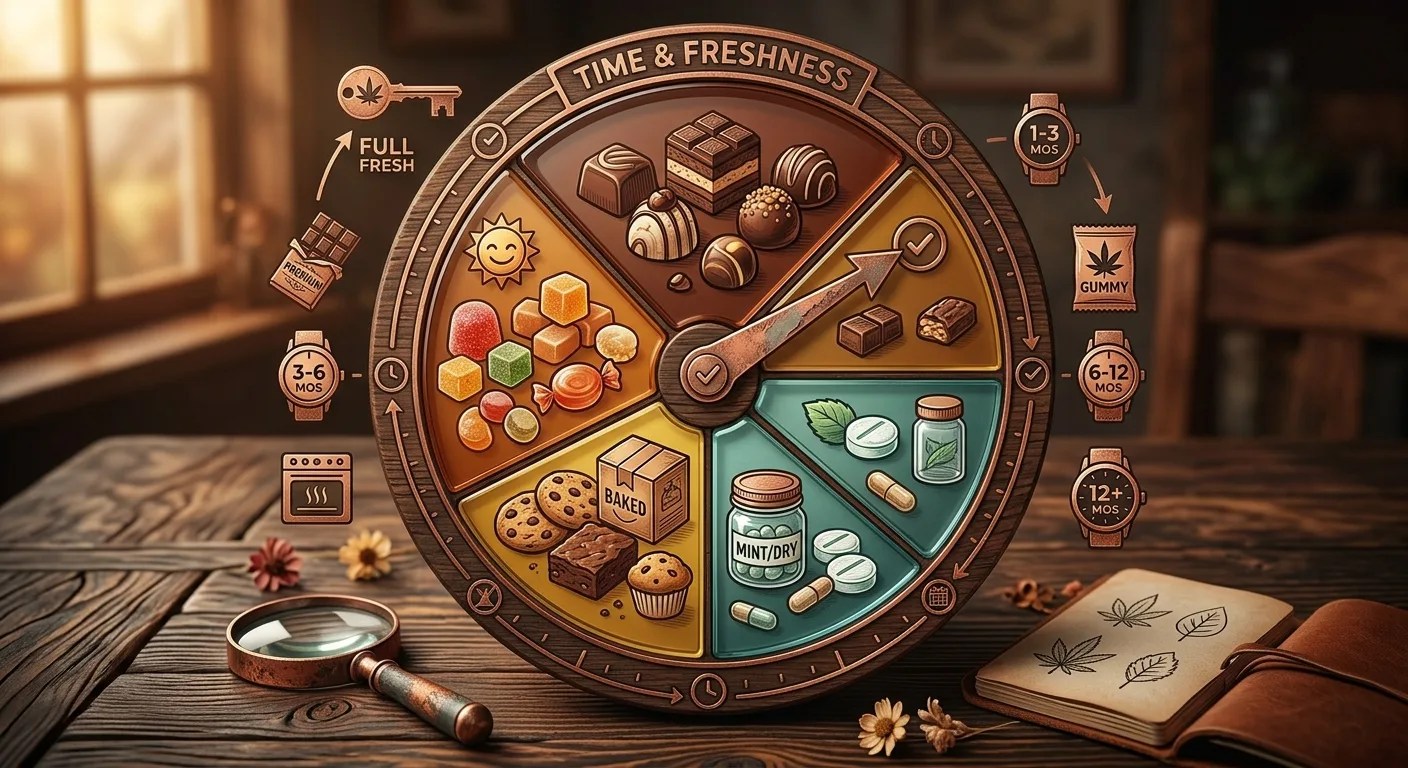
Cannabis gummies reign as the longest-lasting edible format when properly stored, with typical shelf lives ranging from 6 to 12 months. Their durability stems from low moisture content, high sugar concentration (which acts as a natural preservative), and gelatin or pectin structures that resist bacterial growth. Products like Galaxy Gummies and similar commercial brands often include citric acid and other stabilizers that further extend freshness while maintaining texture and flavour.
The primary degradation you'll notice in ageing gummies isn't spoilage but textural change. Over time, gummies can become harder and less pliable as moisture evaporates, or conversely, sticky and clumped if exposed to humidity. These changes don't necessarily indicate lost potency, but they do signal that optimal storage conditions weren't maintained. If your gummies have crystallized sugar on the surface or stuck together into a solid mass, they're past their prime for texture but might still contain most of their original THC content.
Signs Your Gummies Have Expired
Beyond texture changes, watch for these indicators that gummies have crossed from aged to expired: significant colour fading (particularly in fruit-flavoured varieties), a stale or off smell, visible mold (rare but possible if moisture contamination occurred), and flavour degradation where the taste becomes bland or unpleasantly chemical. The THC itself typically outlasts these sensory markers, so a gummy that tastes off might still contain cannabinoids, but the overall experience will be compromised.
Temperature fluctuations are gummies' worst enemy. Repeatedly moving them from refrigerator to room temperature creates condensation, introducing moisture that breaks down the sugar matrix and potentially allows mold growth. Store gummies in a cool, dark cabinet at consistent temperature rather than refrigerating unless you live in an exceptionally hot climate.
Chocolate and Baked Good Timelines: Shorter Windows
Cannabis chocolates typically maintain quality for 4 to 8 months when stored properly, while baked goods like cookies and brownies last just 1 to 3 weeks at room temperature or up to 3 months frozen. The difference comes down to moisture content and fat oxidation. Chocolates face "bloom," where cocoa butter separates and creates a white, dusty appearance on the surface. This isn't dangerous, but it indicates that temperature fluctuations have compromised texture and potentially accelerated THC degradation.
Baked goods present the shortest shelf life of any edible format because they combine high moisture, complex carbohydrates, and fats that all support microbial growth. A homemade pot brownie left at room temperature will grow mold within a week in humid conditions. Even properly stored commercial cookies lose freshness quickly as oils go rancid and textures become stale. For occasional consumers, baked edibles are best purchased in small quantities or shared rather than stored long-term.
Freezing extends baked good shelf life dramatically, but requires careful technique. Wrap items individually in plastic wrap, then place in airtight containers or freezer bags to prevent freezer burn and odour absorption. When you're ready to consume, thaw at room temperature while still wrapped to minimize condensation. The THC content remains stable through freezing, but texture may suffer slightly, with cookies becoming slightly softer and brownies potentially drier than when fresh.
Why Chocolate Requires Temperature Control
Chocolate's melting point sits around 30-32°C (86-90°F), meaning even a warm room can cause softening and fat separation. Once chocolate melts and resolidifies, its crystal structure changes permanently, affecting both texture and shelf stability. Cannabis chocolates face the additional complication that THC is unevenly distributed after melting and resetting, potentially creating hot spots where dosage is much higher than labelled. This makes temperature-controlled storage not just a freshness issue but a safety concern for consistent dosing.
Hard Candies, Tinctures, and Capsules: Maximum Longevity
Hard candies and lollipops can last 12 months or longer due to their extremely low moisture content and high sugar concentration. Like gummies, they eventually become sticky from humidity exposure or crack from extreme dryness, but these changes occur slowly. The primary concern with aged hard candies is flavour degradation rather than safety or significant potency loss. If a cannabis lollipop tastes stale but shows no signs of moisture contamination, it's likely still effective, just less enjoyable.
THC tinctures and oils represent the longest-lasting edible category, maintaining potency for 1 to 2 years when stored in dark glass bottles away from light. The carrier oil (usually MCT or hemp seed oil) can go rancid over time, producing an unpleasant smell and taste, but if the oil still smells neutral and looks clear, the THC content likely remains near original levels. Alcohol-based tinctures last even longer because alcohol acts as both preservative and solvent, potentially remaining viable for 2-3 years or more.
Capsules and softgels fall between tinctures and gummies in longevity, typically rated for 6 to 12 months. The gelatin casing can become brittle with age, and if exposed to moisture, capsules may stick together or deform. However, the oil inside remains protected from oxidation better than exposed edibles. Always check for any breach in capsule integrity before consuming aged products, as a cracked capsule exposes the oil to accelerated degradation.
Storing Tinctures for Maximum Lifespan
Tinctures require amber or cobalt glass bottles to block UV light, which degrades THC faster than any other storage factor except heat. Keep bottles tightly sealed between uses, as oxygen exposure begins oxidizing cannabinoids immediately. Store in a cool, dark cabinet rather than above appliances that generate heat. If you notice cloudiness, separation, or rancid smell, the tincture has degraded, though the cannabinoids might still be partially intact. For long-term storage beyond a year, refrigeration can extend tincture life further without affecting viscosity or dosing accuracy.
Best Storage Practices Across All Edible Types
Regardless of format, five environmental factors control edible shelf life: temperature, light, oxygen, moisture, and time. Storing edibles in a cool (15-21°C), dark location away from humidity is the baseline for all types. Use airtight containers with desiccant packs for gummies and hard candies to control moisture. Keep chocolates and baked goods in the refrigerator only if room temperature exceeds 25°C, and always bring refrigerated items to room temperature before opening packages to prevent condensation.
Vacuum sealing is the gold standard for long-term storage. A vacuum-sealed pack of gummies stored in a freezer can maintain potency and quality for up to 18 months. For consumers buying in bulk to take advantage of deals, this technique makes economic sense. Divide large purchases into single-serving portions, vacuum seal, and freeze what you won't consume within a month. This approach particularly benefits buyers of mail-order marijuana products who purchase larger quantities to minimize delivery fees.
The Shelf Life Benefits of Commercial vs Homemade Edibles
Licenced producers use commercial-grade preservation techniques unavailable to home cooks: modified atmosphere packaging, professional water activity testing, preservatives approved by Health Canada, and quality control processes that ensure consistent shelf stability. A commercial gummy from a reputable brand will outlast a homemade version by months. For consumers who order weed online infrequently, commercial edibles offer peace of mind that your purchase won't degrade before you finish it.
That said, homemade edibles have their place for those consuming quickly or preferring natural ingredients without stabilizers. If you're making your own, use the freezer liberally and accept the shorter shelf life as a trade-off for customization and ingredient control.
Can You Still Use Expired Edibles? Safety vs Potency
The question of whether to consume expired edibles breaks into two considerations: is it safe, and will it work? Safety-wise, most expired edibles won't make you sick unless they show visible mold, smell rotten, or have been contaminated. The sterile environment of commercial packaging means bacteria and mold can't develop unless moisture or air infiltrated the package. Gummies, hard candies, and properly sealed chocolates a few months past their best-by date are typically safe to consume, assuming they pass sensory checks (normal smell, appearance, and texture).
Potency is where expired edibles disappoint. That year-old chocolate bar might retain only 60-70% of its original THC content, meaning a labelled 10mg piece could deliver just 6-7mg of active THC. For medical users relying on precise dosing, this degradation is unacceptable. For recreational users, it simply means needing to consume more to achieve desired effects, which might introduce more CBN than intended and skew the experience toward sedation.
If you decide to consume aged edibles, start with a lower dose assumption. If the product is 6-12 months past its date, assume 70-80% potency; beyond a year, assume 50-60%. This conservative approach prevents unexpectedly weak experiences or accidentally overcorrecting by taking too much of degraded product. Remember that THC converting to CBN changes effects more than just reducing intensity, potentially making a sativa-marketed product feel more like an indica.
When to Definitely Discard Edibles
Throw away edibles immediately if you observe: visible mold growth, foul or rancid odours, significant discoloration beyond normal ageing, packages that weren't sealed properly, or products that have been exposed to water damage. These indicators suggest contamination or advanced degradation that compromises both safety and any remaining cannabinoid content. The money saved by keeping expired edibles isn't worth the risk of consuming a product that might cause digestive issues or deliver unpredictable effects from extreme THC loss.
For baked goods specifically, err on the side of caution. Their high moisture content makes them prone to invisible bacterial growth even before mold appears. Any baked edible more than two weeks old at room temperature or six months frozen should be evaluated very critically, and when in doubt, discarded.
Buying Strategies for Consumers Who Stock Up
Smart purchasing habits extend effective shelf life naturally. If you're buying high-potency edibles or taking advantage of bulk discounts, prioritize formats that store well: gummies, hard candies, and tinctures. Avoid stocking up on baked goods unless you have dedicated freezer space. Check production or packaging dates when available, choosing the freshest inventory when shelf life matters for your consumption pattern.
Portion your purchases based on realistic consumption timelines. If you consume 10mg once a week, buying a 3000mg package makes sense only if it's gummies or tincture. That same purchase in brownie format would require immediate freezing and careful thawing schedules. Many consumers find that ordering smaller quantities more frequently, especially of perishable formats, actually saves money compared to buying bulk that degrades before use.
Watch for seasonal sales and time purchases strategically. Fall and winter are ideal for stocking up because cooler temperatures naturally extend shelf life. Summer purchases should be smaller and focused on quick consumption, as heat accelerates all degradation processes. If you're taking advantage of value pricing on larger quantities, immediately plan your storage strategy rather than leaving products in original packaging.
Fresh Edibles, Delivered Fast
Browse our selection of premium cannabis edibles with clear production dates and proper storage from source to doorstep. We maintain strict quality control so your products arrive fresh and stay potent.
Shop EdiblesYes, heat rapidly degrades THC and can melt gummies into a sticky mess. Even a few hours in a hot car (30°C+) can reduce potency by 10-15% and compromise texture. Always transport edibles in cooler bags during summer months and never store them in vehicles.
Absolutely. Freezing is the best method for long-term edible storage, extending shelf life to 12-18 months for most formats. Wrap items individually in plastic wrap, place in airtight containers, and thaw at room temperature while still wrapped to prevent condensation. THC remains stable through freezing and thawing.
Look for fat bloom (white, dusty coating), rancid smell, crumbly or overly hard texture, or significant colour darkening. Taste a small piece - if it's stale or has an off flavour, the chocolate has degraded. These signs indicate the fat content has oxidized, which often coincides with THC degradation.
Yes, THC degrades into CBN through oxidation even when food components remain safe. Properly stored edibles lose approximately 10-20% potency in the first year, accelerating with poor storage. An edible might taste and look normal while delivering only 60-70% of its original THC content after 12-18 months.
THC tinctures and alcohol-based extracts last 2-3 years when stored in dark glass bottles away from light and heat. Among solid edibles, hard candies and gummies have the longest shelf life at 12+ months, while baked goods last just 1-3 weeks at room temperature or 3 months frozen.
Expired edibles are typically safe if they show no signs of mold, rancidity, or contamination. The primary risk is reduced potency rather than safety. However, discard any edible with visible mold, foul odour, or significant discoloration, especially baked goods older than two weeks at room temperature, as moisture-rich foods support bacterial growth.
Conclusion: Matching Edible Types to Your Consumption Pattern
Cannabis edibles do expire, but understanding the timeline specific to each format empowers you to buy smarter, store better, and waste less. Gummies and hard candies suit infrequent consumers or those stocking up during sales, maintaining potency and quality for 6-12 months with basic storage precautions. Chocolates and baked goods demand quicker consumption or freezing, making them better choices for regular users who'll finish products within weeks. Tinctures offer the longest viable shelf life for patients and consumers who need consistent dosing over extended periods.
The key takeaway: prioritize proper storage over everything else. Cool, dark, dry, and airtight conditions extend every edible's life significantly, often doubling the time before noticeable degradation occurs. For Toronto-area consumers exploring cannabis delivery options, choosing reputable sources that maintain cold chain storage and use quality packaging ensures your edibles arrive fresh and stay that way longer. With these guidelines, you can confidently purchase quantities that match your needs without the anxiety of wasted product or diminished effects.