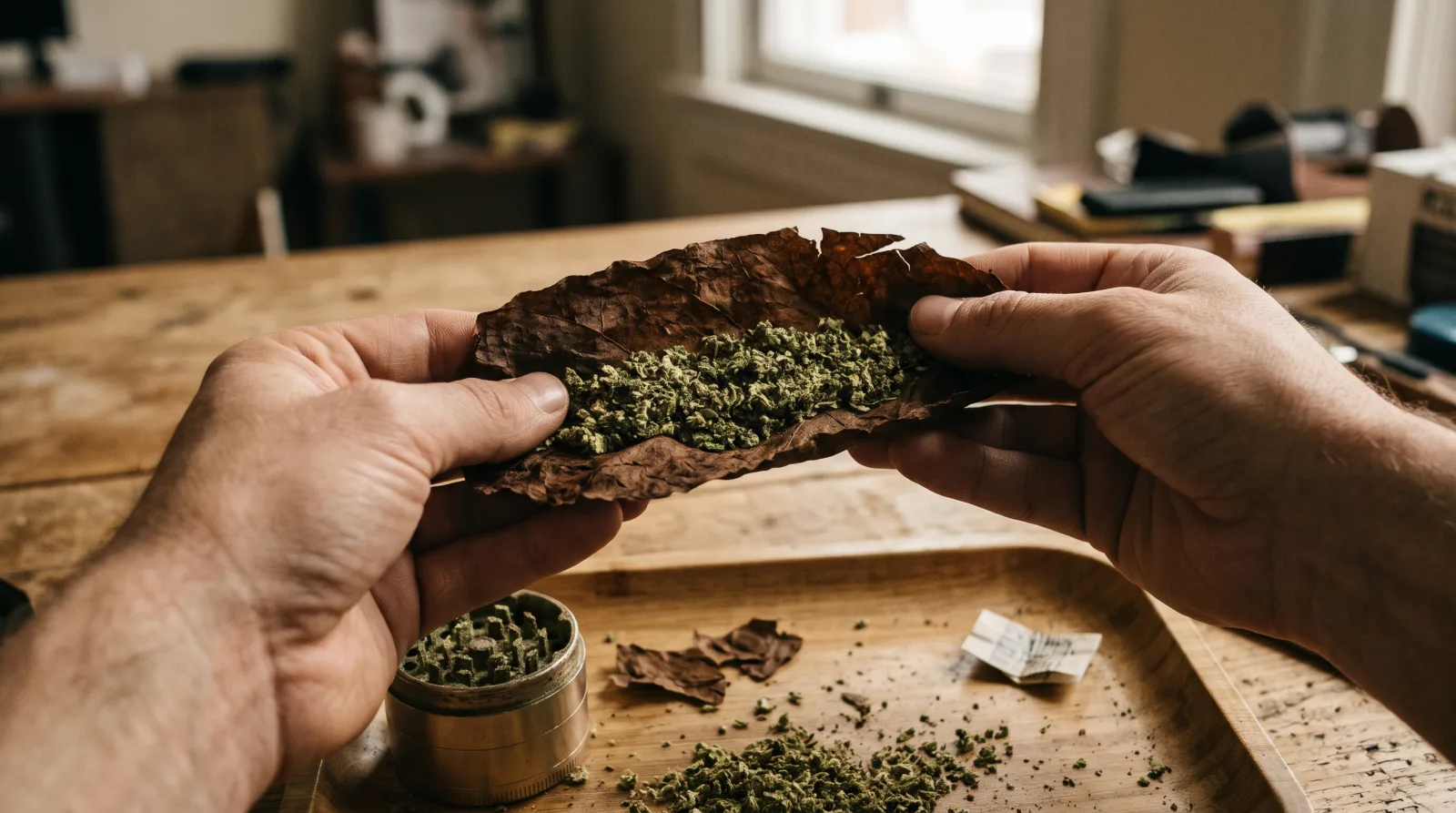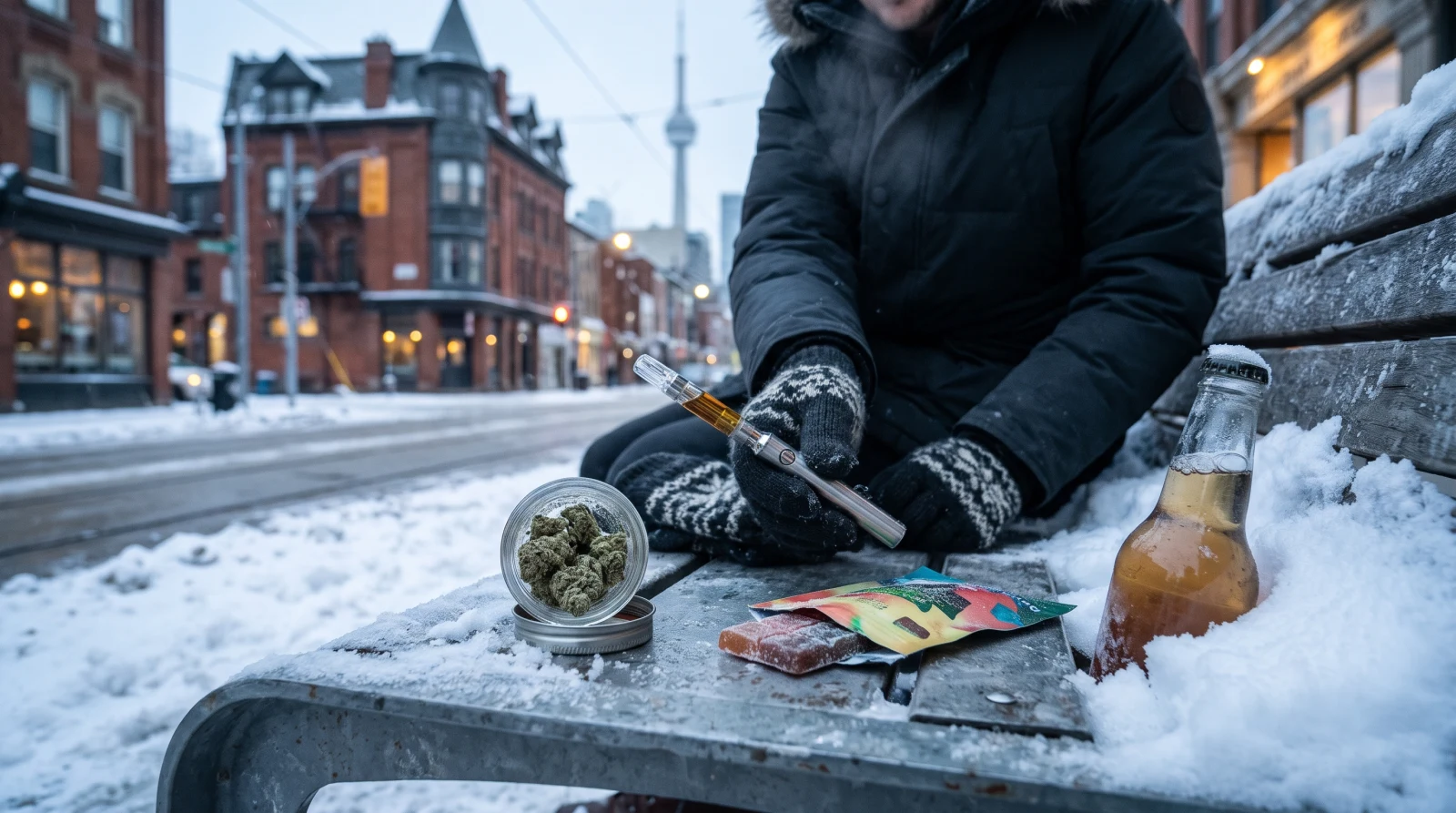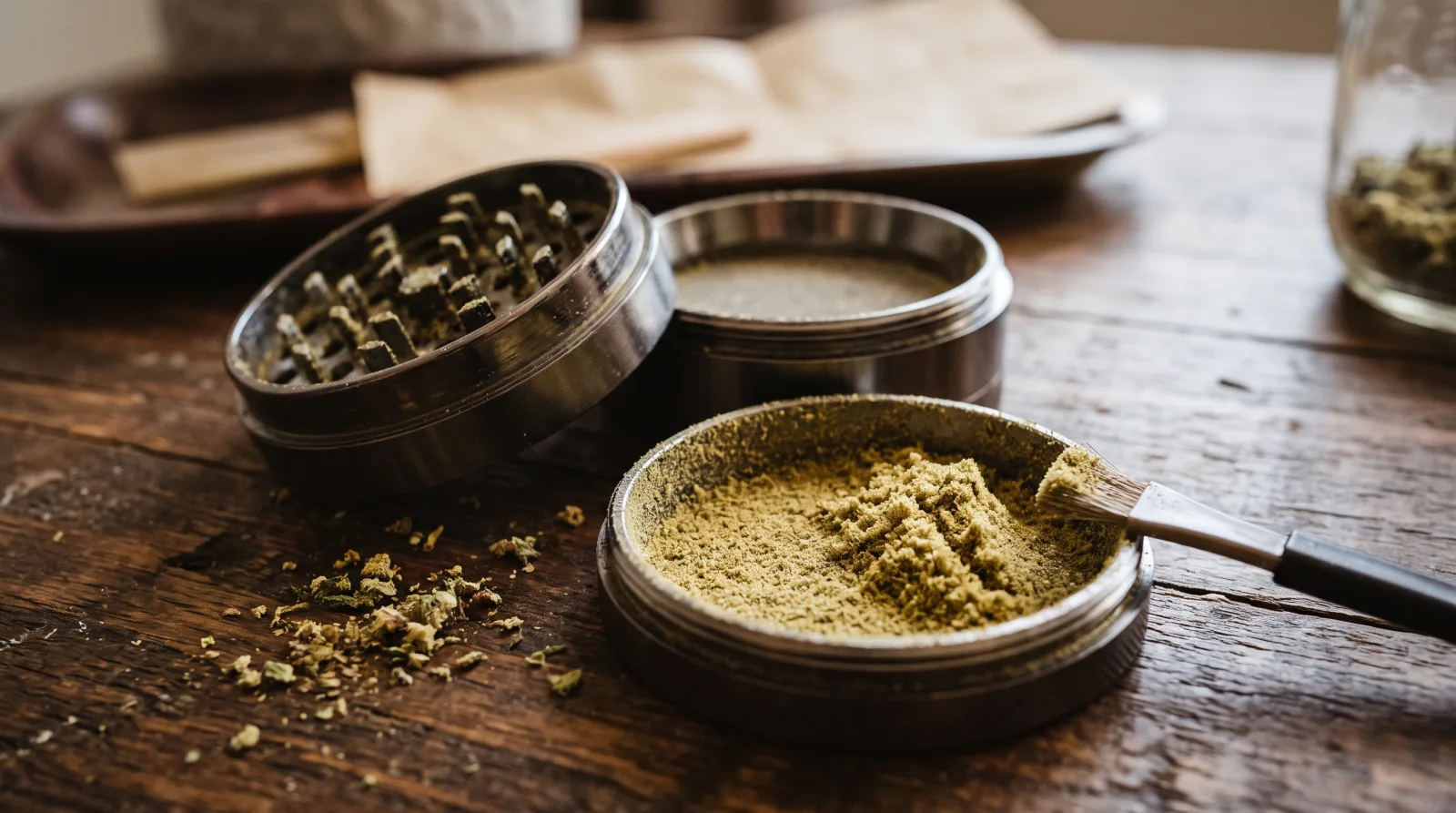

If you smoked weed in the 1990s and compare it with what's available today, one of the biggest differences you'll notice is how much stronger modern cannabis has become.
Back then, cannabis typically contained much lower levels of THC, and finding seeds and stems in your bag wasn't unusual. Today, many strains are marketed with THC levels above 20%, and consumers can choose from a much wider range of flower, concentrates, vapes and edibles.
Several changes contributed to this shift, including better growing techniques, selective breeding and growing demand for higher-potency cannabis.
In this article, we'll look at how weed has changed since the 90s, what the potency numbers actually show, and what you should know if you're trying modern cannabis after years away.
Is Weed Really Stronger Than It Was in the 90s?
Yes. The most consistent long-term data comes from the University of Mississippi's Potency Monitoring Program, which tests cannabis seized by the US Drug Enforcement Administration. A 2016 analysis of more than 37,000 samples found that average THC rose from about 4% in 1995 to about 12% in 2014.
The share of high-potency samples grew as well. In 1995, fewer than 1% of samples tested above 12% THC. By 2012, that figure had reached about 47%.
The same study found that CBD levels fell as THC rose. The average THC-to-CBD ratio went from about 14:1 in 1995 to about 80:1 in 2014, so modern cannabis generally has a much higher THC-to-CBD ratio. Legal product labels list THC and CBD separately, which makes it easy to compare the two.
These figures come from US seized cannabis, so they don't describe the Canadian market directly. Canadian data from the 1990s is limited, but the RCMP reported that cannabis seized in Canada in the late 1990s averaged around 5.5 to 6% THC. Around the time of legalization, an analysis of Canada's medical cannabis program put average flower potency at roughly 15 to 17%, and many legal flower products are now labelled above 20%. Because these numbers come from different markets and testing methods, they show the general direction of change rather than one continuous trend.
There are two other limits to keep in mind. Potency testing from earlier decades is generally considered less reliable, and samples from any period varied widely, so higher-potency cannabis did exist in the 90s. It was just much less common.
Modern THC labels can also overstate potency. In Health Canada's Cannabis Data Gathering Program, nearly half of the 50 legal dried flower samples tested contained less than 80% of the THC stated on the label. A separate 2023 test by a BC laboratory found that all 46 products it sampled were below their labelled THC. These are small samples and don't apply to every product, but they're a good reason to treat very high THC claims with some caution and to check a product's certificate of analysis when one is available.
Why Has Weed Become So Much Stronger?
The Shift to Seedless Cannabis
Most of a cannabis plant's THC is found in the resin-rich flowers of female plants. When a female plant is pollinated, it puts more of its energy into producing seeds and less into producing resin.
Much of the cannabis sold decades ago came from pollinated plants and often included seeds, stems and leaves, which contain little THC. Over time, growers moved toward sinsemilla, which means unpollinated female plants grown only for their flowers. In the US potency data, researchers identified this shift as the main reason average THC levels increased.
Better Growing Techniques and Genetics
Indoor growing gives cultivators control over light, temperature, humidity and nutrients, which helps plants produce more consistent, resin-rich flower. Growers can also preserve their best plants by taking clones, which are cuttings from a single mother plant.
Over several decades, breeders crossed high-THC plants to develop strains such as Kush, OG, Gelato and the Pink varieties that are popular in Toronto. As buyers increasingly valued higher THC, breeders had a strong incentive to keep selecting for it.
Improvements in Storage and Freshness
THC gradually breaks down when cannabis is exposed to heat, light and air. Cannabis that spent long periods in transport and storage often lost some potency before anyone used it.
Today, cannabis usually reaches consumers sooner after harvest, and it's cured, packaged and stored under more controlled conditions, often with humidity packs to keep flower from drying out.
What Else Has Changed Since the 90s?
Potency isn't the only difference. The way cannabis is grown, labelled and sold has changed too.
Seeds and stems are now rare in flower. Most products are trimmed buds sold with a strain name, THC and CBD content and, on many Canadian menus, a quality grade such as AAA or AAAA. In the 90s, cannabis was often sold without a strain name, and buyers rarely knew its potency.
The range of products has also expanded. Modern consumers have access to products with much higher THC concentrations than traditional flower. Many vape cartridges contain distillate, a refined cannabis extract that typically contains 85 to 95% THC, and concentrates such as shatter and live resin are also highly potent. Edibles are labelled in milligrams of THC, and in Canada's legal market, a package of edibles can contain up to 10 mg.
What to Know If You're Trying Cannabis Again After Years Away
If you haven't used cannabis in a long time, your tolerance has likely dropped, and modern products are stronger. The amount you used to smoke may now have a much stronger effect. Health Canada recommends a start low, go slow approach:
- Start with one or two puffs. Health Canada suggests choosing products with 10% THC or less when you can. Inhaled cannabis takes effect within minutes, but it can take up to 30 minutes to feel the full effects, so wait before having more.
- Check the label, not the strain name. THC and CBD content tells you more about a product's strength than its name or popularity.
- Consider balanced products. Health Canada recommends products with low THC and an equal or higher amount of CBD.
- Take extra care with edibles. Start with 2.5 mg of THC or less. Effects can take 30 minutes to 2 hours to begin and up to 4 hours to reach full strength, so don't take more within that time. Microdosing is a good way to find a comfortable amount.
- Avoid concentrates at first. Health Canada advises new and occasional consumers to avoid high-THC extracts such as wax and shatter.
Taking too much THC can cause anxiety, nausea, vomiting and a racing heart, and some reactions need medical attention. If symptoms are severe, contact your local poison centre or call 911. For milder reactions, see what to do if you're greening out.
Finding the Right Cannabis for Your Preferences
Modern cannabis offers significantly more variety than what was commonly available in the 1990s. Along with higher-potency strains, you can find lower-THC flower, balanced CBD-and-THC products and a range of consumption formats.
If you're returning to cannabis after a long break, pay attention to THC and CBD content rather than choosing a product based on its strain name or popularity.
At Toronto Weed Delivery, you can explore our CBD and THC pre-rolls and hybrid flower to compare different options based on their cannabinoid content.