Ever picked up a cannabis product and wondered what all those numbers on the Certificate of Analysis (COA) actually mean? You're not alone. Lab testing has become the gold standard for ensuring cannabis quality and safety, but reading a COA can feel like deciphering a foreign language. Whether you're shopping for premium flower like Deep Purple Kush or exploring concentrates, understanding lab results empowers you to make informed decisions about what you're consuming. Let's break down exactly what those lab reports are telling you,line by line.
What Is a Certificate of Analysis (COA)?
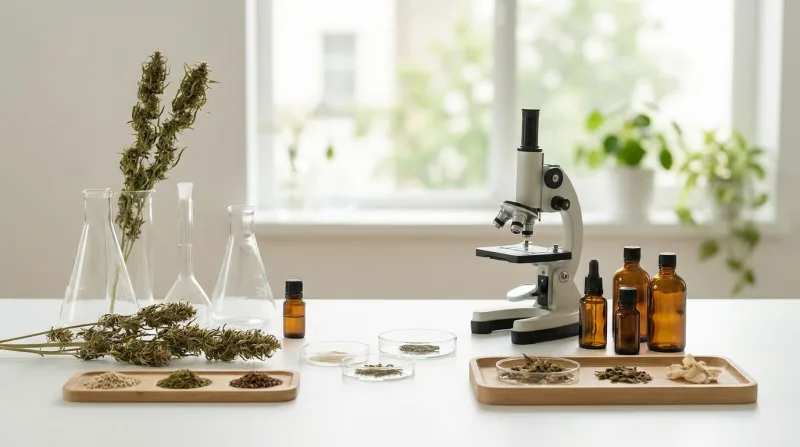
A Certificate of Analysis is an official document produced by a third-party labouratory that details the chemical composition and safety profile of a cannabis product. Think of it as a report card that tells you everything from cannabinoid potency to the presence of contaminants. Reputable producers test every batch, and these results should be readily available to consumers,either on the packaging, on the company website, or by request.
The COA serves multiple purposes: it verifies the product contains what the label claims, confirms it's free from harmful substances, and provides transparency about terpene profiles and minor cannabinoids. In regulated markets, lab testing isn't optional,it's required by law to protect consumers.
Always verify that a COA comes from an accredited, third-party lab. Internal testing can create conflicts of interest. Look for ISO/IEC 17025 accreditation as a quality benchmark.
Cannabinoid Potency: THC, CBD, and Beyond
The most prominent section of any COA is the cannabinoid profile. This shows the percentage or milligrams per gram of various cannabinoids present in your product. The two you're probably most familiar with are THC (tetrahydrocannabinol) and CBD (cannabidiol), but a complete panel tests for many more.
Here's what you need to know:
- Total THC: This includes both THCA (the non-psychoactive precursor) and activated THC. The formula typically adds 87.7% of THCA to the delta-9 THC value, since THCA converts to THC when heated.
- Total CBD: Similar to THC, this combines CBDA and activated CBD using a conversion factor.
- Minor Cannabinoids: CBG, CBN, CBC, and THCV appear in smaller amounts but contribute to the overall effect through the entourage effect.

Deep Purple Kush
Shop Deep Purple Kush, a indica cannabis flower, through Uper Weed’s Canadian online ...
When evaluating potency, remember that higher isn't always better. A well-balanced cannabinoid profile often provides a more enjoyable experience than sky-high THC alone. Quality products like those in our AAAAA+ Craft Cannabis category focus on overall composition rather than just chasing numbers.
Terpene Profiles: The Flavour and Effect Architects
Terpenes are the aromatic compounds that give cannabis its distinctive smell and flavour,but they do much more than that. These molecules work synergistically with cannabinoids to shape your experience, influencing everything from relaxation to focus.
A comprehensive COA will list the dominant terpenes and their concentrations, typically measured in percentage or mg/g. Common terpenes you'll see include:
- Myrcene: Earthy, musky aroma associated with sedative effects
- Limonene: Citrus scent linked to mood elevation and stress relief
- Caryophyllene: Spicy, peppery notes with potential anti-inflammatory properties
- Pinene: Pine-like aroma that may enhance alertness and memory
- Linalool: Floral, lavender scent known for calming effects

Uper Weed - Shatter 99% THC
Shop Shatter 99% THC, a cannabis concentrate, through Uper Weed’s Canadian online can...
Premium concentrates often preserve more terpenes than traditional extraction methods, which is why many connoisseurs prefer products like live resin or high-quality shatter that showcase the plant's full aromatic profile.
Contaminant Testing: What's Being Screened
This is arguably the most important section for your health and safety. A complete COA screens for several categories of potential contaminants:
Pesticides and Herbicides
Labs test for dozens of common agricultural chemicals. In regulated markets, any detectable amount of banned pesticides will cause a batch to fail. Even trace amounts of certain compounds can be harmful when inhaled or ingested.
Heavy Metals
Cannabis plants are bioaccumulators, meaning they absorb elements from soil,including heavy metals like lead, arsenic, cadmium, and mercury. Reputable growers use clean growing media and test regularly to ensure safety.
Microbial Contaminants
This panel checks for dangerous bacteria (E. coli, Salmonella), yeast, and mold. Total aerobic count and total yeast/mold count are typically measured in colony-forming units (CFU). Products must stay below regulatory limits to pass.
Residual Solvents
For concentrates and extracts, labs test for leftover solvents from the extraction process,butane, propane, ethanol, and others. These should be below detectable limits or within strict safety thresholds.
If a product doesn't have readily available lab results, or if the producer is evasive about testing, consider it a major warning sign. Your health is worth more than any discount.
Moisture Content and Water Activity
These measurements might seem technical, but they're crucial for product quality and shelf life. Moisture content tells you the percentage of water in the product, while water activity (Aw) indicates how available that moisture is for microbial growth.
Ideal moisture content for flower typically ranges between 8-12%. Too dry and your cannabis will be harsh and crumbly; too moist and you risk mold. Water activity should be below 0.65 to prevent microbial contamination during storage.


How to Access and Verify Lab Results
Most legitimate cannabis brands make COAs accessible through QR codes on packaging or batch numbers searchable on their website. When evaluating results, always verify:
- The batch number matches your product
- The test date is recent (within 6-12 months)
- The lab is third-party and accredited
- All major categories are tested (cannabinoids, terpenes, contaminants)
- The product passed all safety thresholds
Premium suppliers of products ranging from high-grade flower to hash and concentrates understand that transparency builds trust. Don't hesitate to ask questions if something seems unclear or if testing documentation isn't provided.

Kabul Afghani Hash
Shop Kabul Afghani Hash, a cannabis concentrate, through Uper Weed’s Canadian online ...
Understanding Limits of Detection and Quantification
You might notice terms like "LOD" (Limit of Detection) and "LOQ" (Limit of Quantification) on some COAs. These indicate the smallest amount of a substance the lab equipment can reliably detect or measure. When a result shows "ND" (Not Detected) or "Below LOQ," it doesn't mean zero,it means the amount present is below what the instruments can accurately measure, which is generally a good sign for contaminants.
Frequently Asked Questions
Ideally, every batch should be tested before it reaches consumers. Testing frequency requirements vary by jurisdiction, but responsible producers test consistently regardless of legal minimums. Always look for batch-specific results rather than generic lab reports.
While rare in accredited labs, 'lab shopping',sending samples to multiple labs until getting favourable results,can occur. This is why third-party accreditation and a lab's reputation matter. In regulated markets, labs face severe penalties for falsifying results.
A product fails if it exceeds limits for contaminants (pesticides, heavy metals, microbials, solvents) or if cannabinoid content varies significantly from label claims. Different jurisdictions have different thresholds, but safety standards are generally strict.
Absolutely. Terpenes significantly influence your experience. A product with 20% THC and a rich terpene profile often feels more potent and enjoyable than one with 25% THC but minimal terpenes. Total terpene content above 2% is generally considered excellent.
No. In today's market, lab testing is standard practice. Any reputable producer will provide testing documentation. If it's not available, you're taking unnecessary risks with your health and money.
Shop Lab-Tested Premium Cannabis
Explore our selection of rigorously tested products with full transparency and quality assurance
Browse Quality ProductsUnderstanding how to read a COA transforms you from a passive consumer into an informed decision-maker. These documents reveal the true quality of what you're buying,from the cannabinoid and terpene profile that shapes your experience to the safety testing that protects your health. The next time you shop for cannabis, whether it's flower, concentrates, or edibles, take a moment to review the lab results. Your body and your wallet will thank you for choosing products that deliver exactly what they promise, backed by scientific verification every step of the way.