
If you've stared at the concentrate menu and wondered why crumble wax costs less than live resin but more than shatter, you're asking exactly the right question. Crumble wax occupies a practical sweet spot in the cannabis extract world , not because of flashy THC percentages or trophy-case terpene profiles, but because of one signature advantage: you can crumble it over a bowl or into a joint using only your fingers. No dab rig required. No precision tools needed. Just break, sprinkle, and smoke.
This guide explains what crumble wax actually is, why its distinctive honeycomb texture makes it easier to handle than most concentrates, how producers create that dry, crumbly structure, and where it fits in your rotation when you want potency without the learning curve of traditional dabbing. We'll walk through dosing considerations, storage requirements that prevent your crumble from turning into a sticky mess, and the practical differences between crumble and its concentrate cousins. If you've been curious about concentrates but intimidated by torches and timers, crumble offers the most approachable entry point , and this article will show you exactly why.
The Defining Characteristic: That Dry, Honeycomb Texture
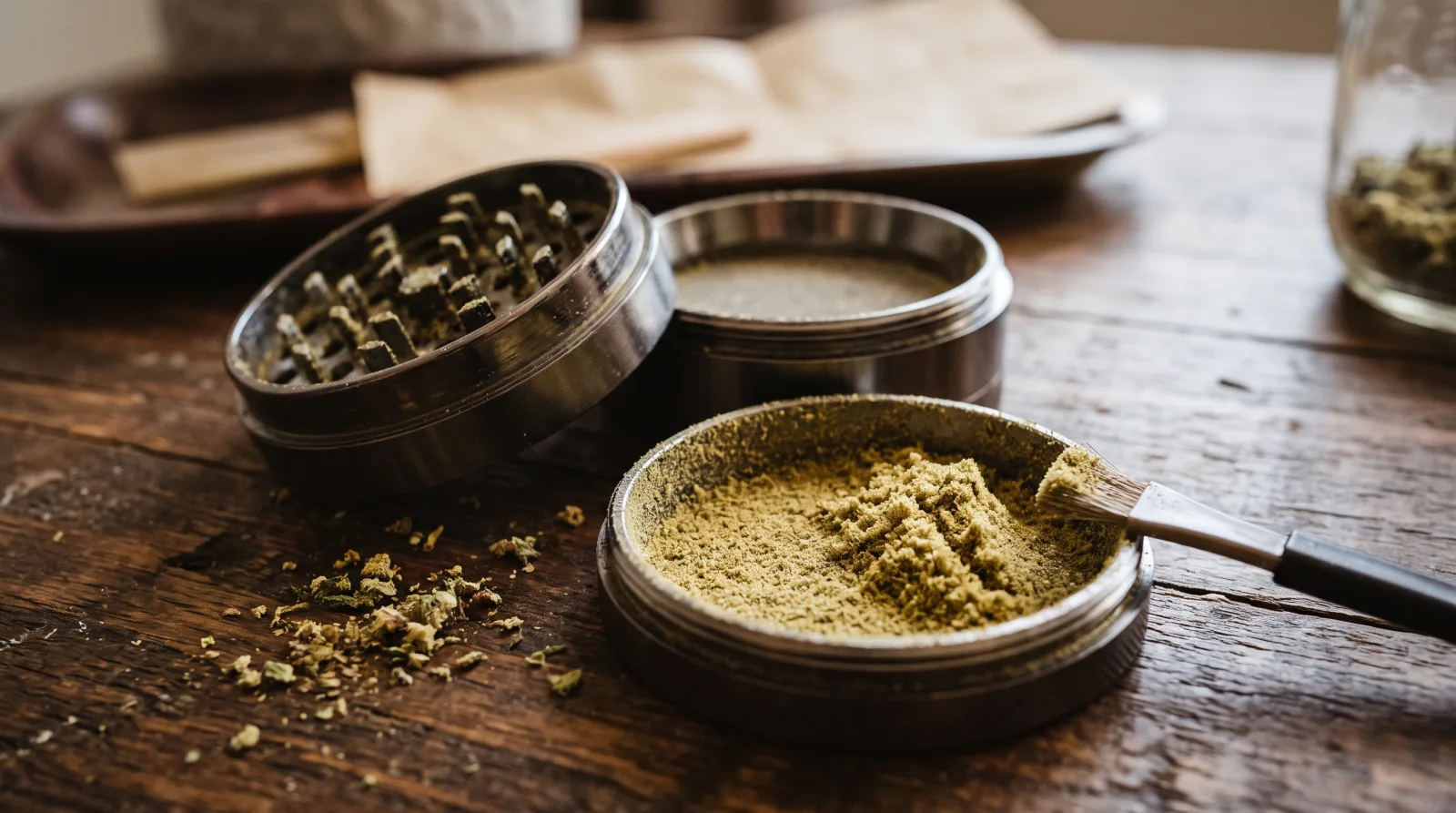
Crumble wax earns its name from its physical structure. Unlike the glossy snap of shatter or the spreadable consistency of budder, crumble has a dry, porous texture that resembles honeycomb or feta cheese. When you pick up a piece, it breaks apart easily between your fingers without melting into a sticky mess. This isn't a manufacturing accident , it's an intentional result of specific purging conditions during extraction.
The honeycomb appearance comes from how the extract is whipped and purged at lower temperatures and higher air exposure than other concentrates. During the final stages of production, residual solvents evaporate while air becomes trapped in the concentrate matrix, creating thousands of tiny pockets throughout the material. These air pockets give crumble its characteristic texture and explain why it's less dense than shatter or wax.
Why Texture Matters More Than You'd Think
That dry, crumbly structure delivers practical advantages beyond aesthetics. First, crumble doesn't require specialized tools for handling. You can pinch off a piece with your fingers, break it into smaller fragments, and sprinkle it over flower in a bowl or along the inside of a rolling paper. Second, the increased surface area from all those air pockets means crumble vapourizes efficiently at lower temperatures than denser concentrates. Third, because it's already broken into a loose structure, crumble melts evenly when heated rather than pooling in one spot.
This handling ease makes crumble the gateway concentrate for cannabis users who want higher potency than flower alone but aren't ready to invest in a dab rig and torch. You can enhance any smoking session by adding a small amount of crumble without changing your consumption method or learning new techniques.
How Crumble Wax Is Made: The Purge Process That Creates the Structure
Crumble production starts the same way as most cannabis concentrates: extractors use a solvent (usually butane or propane) to strip cannabinoids, terpenes, and other compounds from plant material. The initial extraction yields a thick, sticky oil loaded with dissolved cannabinoids and residual solvent. From this point, how producers handle temperature, agitation, and airflow determines whether the final product becomes shatter, budder, or crumble.
For crumble specifically, extractors purge the solution at lower temperatures (typically 100-115°F) compared to shatter production. They also introduce more agitation and air exposure during the purging phase. This combination creates the conditions for that honeycomb structure to develop. As residual solvents evaporate slowly at lower heat, the concentrate maintains enough viscosity to trap air bubbles throughout the matrix rather than collapsing into a dense slab.
The Agitation Factor
Some extractors gently whip the concentrate during purging to encourage air incorporation and break up any forming crystal structures. This whipping action, combined with the low-temperature purge, prevents the smooth, glassy finish of shatter from developing. Instead, the result is that characteristic crumbly, porous texture. The process requires careful monitoring because too much agitation creates budder or wax, while insufficient agitation might yield an inconsistent texture with both crumbly and sticky sections.
Once the purge is complete and all detectable solvents have evaporated, producers package the crumble in parchment paper or small containers. Quality crumble should break cleanly without leaving sticky residue on your fingers, maintain its structure at room temperature, and show consistent texture throughout the batch rather than mixing crumbly sections with wet or sticky spots.
The Signature Move: Sprinkling Over Bowls and Joints
Here's where crumble distinguishes itself from the broader concentrate family. While shatter requires careful handling with a dab tool and budder needs a scraping implement, crumble works with the simplest tool available: your fingers. This makes it the most versatile concentrate for enhancing traditional smoking sessions.
To add crumble to a bowl, pack your flower as usual, then pinch off a small piece of crumble (rice grain to lentil size for beginners) and break it into smaller fragments. Sprinkle these fragments evenly over the top of your packed bowl. When you apply flame, the crumble melts into the flower and vapourizes alongside it, delivering a significantly more potent hit than flower alone. The key word is sprinkle , you want an even distribution rather than one large chunk, which ensures smooth burning and prevents waste.
The Joint Enhancement Technique
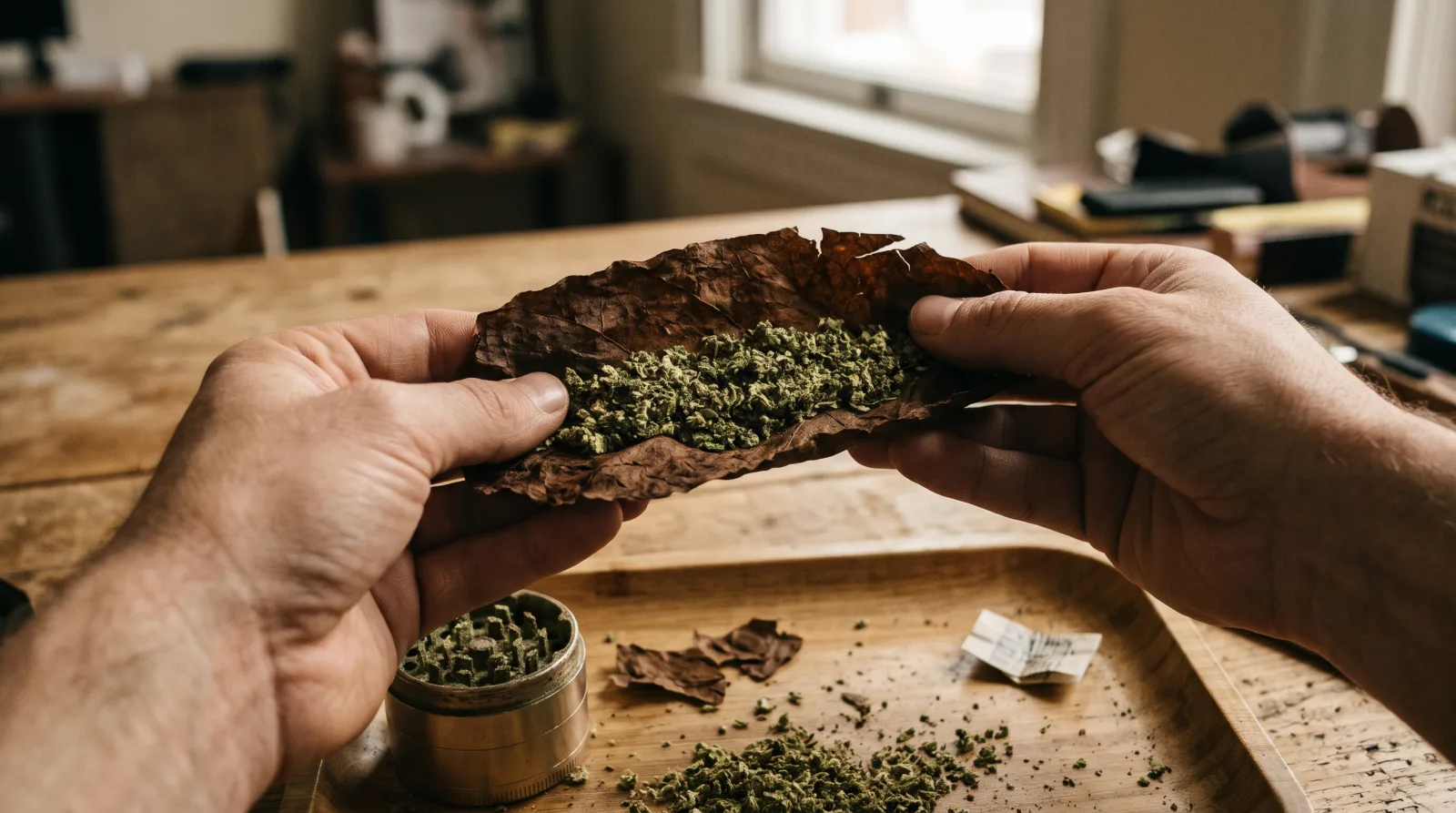
For joints, the process requires slightly more finesse but remains accessible. After grinding your flower but before rolling, create a thin, even layer of ground cannabis on your rolling paper. Break your crumble into fine pieces , think bread crumbs rather than gravel , and distribute them evenly across the centre line of your paper. Add another thin layer of ground flower on top to sandwich the crumble. This layering prevents the concentrate from touching the paper directly, which could cause uneven burning or runs.
Roll as normal, though you might need to pack slightly tighter than a flower-only joint to maintain structure. The result is an infused joint that burns more slowly, produces denser vapour, and delivers considerably higher potency without requiring any specialized equipment or techniques beyond basic rolling skills.
Start with small amounts. A piece of crumble the size of a grain of rice can double the potency of an average bowl. If you're accustomed to flower but new to concentrates, use even less initially. The beauty of crumble is that you can always add more to your next bowl, but you can't subtract from one you've already sparked. For readers exploring different ways to enhance flower sessions, our guide on first-time concentrate use offers additional context on potency expectations.
Potency Profile: What to Expect From Crumble Wax
Crumble typically tests between 60-85% THC, placing it firmly in the high-potency category but generally below premium concentrates like live resin or diamonds. The exact potency depends on the starting material quality and extraction efficiency, but most commercial crumble clusters around the 70-75% range. This represents roughly four times the potency of premium flower, which typically caps around 20-25% THC.
That potency multiplier means your tolerance and experience level determine appropriate dosing more than with flower alone. A beginner adding a rice-grain piece of 70% crumble to a bowl is consuming approximately the same amount of THC as smoking 0.3-0.4 grams of high-grade flower , in a single bowl. The effects arrive faster and more intensely than flower because of the concentrated cannabinoid delivery.
Terpene Considerations
The lower-temperature purge that creates crumble's texture also affects terpene retention. Crumble generally preserves more terpenes than high-heat concentrates like shatter, but less than live resin or sauce, which are extracted from fresh-frozen material and processed specifically to maximize terpene content. You'll notice aroma and flavour when consuming crumble, but it typically won't match the intense, strain-specific taste profiles of premium concentrates.
This makes crumble an excellent middle-ground choice. You get substantial potency at a more accessible price point, with enough flavour to remain pleasant but without paying the premium that comes with maximum terpene preservation. For users prioritizing effect over experience, crumble delivers efficiently. Our article on terpenes and strain flavour profiles explores these aromatic compounds in greater depth.
Crumble vs. Other Concentrates: Understanding the Texture Spectrum
Cannabis concentrates exist along a texture spectrum, with each consistency offering different handling properties and use cases. Understanding where crumble fits helps you choose the right extract for your consumption method and experience level.
Crumble vs. Shatter
Shatter is the glass of the concentrate world , translucent, brittle, and snapping cleanly when bent. It's produced with minimal agitation and typically higher purging temperatures, which eliminates air pockets and creates a dense, glassy structure. Shatter requires a dab tool for handling because it's too rigid to crumble with fingers but shatters into sharp fragments that can be difficult to manage. It's primarily designed for dabbing rather than sprinkling over flower. Crumble offers easier handling and more versatility in consumption methods, while shatter provides slightly better long-term stability if stored properly.
Crumble vs. Budder/Wax
Budder sits at the other end of the texture spectrum with a smooth, creamy consistency similar to softened butter. It's produced with more aggressive whipping during purging, which creates a uniform, spreadable texture. Like crumble, budder can be used for dabbing or added to flower, but its sticky consistency means you'll need a dab tool even for sprinkling applications. Crumble's dry texture makes it easier to handle without tools, while budder's creaminess makes it easier to achieve precise doses when dabbing. For a detailed exploration of budder's properties, see our comprehensive guide on what budder is and how it's used.
Crumble vs. Sugar Wax
Sugar wax resembles wet sand or brown sugar, with a granular texture containing visible THC crystals suspended in terpene-rich sauce. It's typically more potent and flavourful than crumble but also stickier and more difficult to handle without tools. Sugar wax is primarily designed for dabbing, where its high terpene content delivers maximum flavour. Crumble sacrifices some flavour intensity for easier handling and broader application versatility.
Storage and Shelf Life: Keeping Your Crumble Crumbly
Crumble's dry, porous structure makes it more vulnerable to degradation than denser concentrates. Those air pockets that make it easy to handle also provide more surface area for oxidation and moisture absorption. Proper storage extends shelf life and preserves potency, flavour, and texture.
Store crumble in an airtight container in a cool, dark location. Small silicone containers work well, as does parchment paper inside a sealed jar. Avoid leaving crumble exposed to air for extended periods , oxygen degrades cannabinoids and terpenes over time, reducing potency and flavour while potentially changing the texture from dry and crumbly to sticky or wet.
Temperature and Light Protection
Heat and light accelerate cannabinoid degradation in all cannabis products, but concentrates are especially vulnerable because of their high cannabinoid density. Store crumble in a drawer, cabinet, or other dark location where temperatures remain relatively stable. Room temperature (65-75°F) works fine for short-term storage, but if you're keeping crumble for more than a few weeks, consider refrigerator storage in an airtight container.
Some consumers freeze concentrates for long-term preservation, which works well for shatter but can cause texture changes in crumble. The freeze-thaw cycle can introduce moisture, potentially turning your dry, crumbly extract into a stickier consistency. If you do freeze crumble, allow it to return to room temperature before opening the container to prevent condensation from forming on the concentrate.
With proper storage, crumble maintains its potency and texture for several months. You'll know it's degrading if the colour darkens significantly, the aroma weakens, the texture becomes overly sticky or wet, or you notice reduced effects when consuming the same amount. For additional guidance on preserving cannabis products, our article on maintaining optimal moisture levels covers general principles that apply across formats.
Practical Dosing: Starting Points and Scaling Up
Dosing crumble requires a different framework than dosing flower because of the concentrated cannabinoid content. A piece of crumble the size of a grain of rice contains approximately 10-15mg of THC, depending on the extract's potency. For reference, that's equivalent to smoking roughly 0.15-0.2 grams of high-grade flower , and that assumes you're not already smoking flower in the same bowl.
For beginners adding crumble to flower, start with a piece half the size of a rice grain. Break it into smaller fragments and sprinkle it evenly over a packed bowl of flower. Consume the bowl as you normally would, but pace yourself , take a few hits, then wait 10-15 minutes before continuing. The enhanced potency can catch new users off guard if they treat an enhanced bowl the same way they'd smoke flower alone.
Scaling Based on Tolerance
Regular cannabis consumers with established tolerance can start with rice-grain to lentil-sized pieces. Even with tolerance, adding crumble to flower significantly increases potency, so initial caution prevents overconsumption. If you're comfortable with the effects after a few sessions, you can gradually increase the amount of crumble you add.
For experienced concentrate consumers using crumble for dabbing rather than sprinkling, typical dab sizes range from a grain of rice to a small pea. Remember that crumble's porous structure means it contains less actual concentrate per volume than denser extracts like shatter, so you might need slightly more crumble to achieve the same effect as an equivalent-looking piece of shatter.
Pay attention to how your body responds. Concentrate tolerance develops differently than flower tolerance, and some consumers find they need to moderate their crumble use to maintain effectiveness. If you notice diminishing returns, consider implementing a tolerance break or alternating between flower and concentrate sessions. Our guide on managing cannabis tolerance offers structured approaches to resetting your system.
Consumption Methods: Beyond the Bowl
While sprinkling crumble over bowls and into joints represents its signature application, this versatile concentrate works with multiple consumption methods. Understanding your options helps you match the format to your situation and preferences.
Traditional Dabbing
Despite its finger-friendly texture, crumble works perfectly well in a dab rig. Heat your nail or banger to the appropriate temperature (generally 500-600°F for crumble), use a dab tool to place a small amount on the heated surface, and inhale as it vapourizes. The lower-temperature range helps preserve the terpenes crumble retains while ensuring complete vapourization. Crumble's porous structure means it vapourizes quickly and evenly, making it forgiving for beginners learning temperature control.
Vapourizer Compatibility
Many concentrate-compatible vapourizers work well with crumble. Devices designed for wax or crumble , typically those with ceramic or quartz chambers , handle the texture easily. Break crumble into small pieces that fit your device's chamber, then follow the manufacturer's temperature recommendations. Most crumble vapourizes efficiently between 350-400°F, though you can experiment within your device's range to find your preferred balance of flavour and vapour production.
Infusion Applications
Because crumble is already decarboxylated during the extraction process (the heat from solvent purging activates the THC), it can be used directly in edibles and infusions without additional heating. Dissolve crumble in butter, oil, or alcohol-based tinctures for infusion projects. The dry texture makes it easier to break into small pieces that dissolve more readily than sticky concentrates. However, precise dosing becomes critical when making edibles , the concentrated nature of crumble means small measurement errors translate into significant potency differences in your final product.
Quality Indicators: What Good Crumble Looks Like
Not all crumble is created equal, and knowing what to look for helps you identify quality extracts and avoid inferior products. Several visual and physical characteristics separate well-made crumble from subpar offerings.
Colour and Consistency
Quality crumble typically ranges from light yellow to deep amber in colour. Lighter colours often indicate higher quality starting material and cleaner extraction, though some variation is normal based on the cultivar used. The texture should be uniformly dry and crumbly throughout , you shouldn't encounter sticky or wet sections mixed with dry areas, which suggests inconsistent processing or improper storage.
When you break a piece, it should crumble cleanly without leaving significant residue on your fingers. Some very fine powder is normal, but if handling crumble leaves your fingers sticky or coated in oil, the texture is off. This could indicate insufficient purging, improper storage conditions, or low-quality production methods.
Aroma and Clarity
Fresh crumble should have a noticeable cannabis aroma that reflects the source strain's terpene profile. The scent won't be as intense as live resin or sauce, but you should detect clear notes when you smell it. Weak aroma or chemical smells suggest poor starting material, degraded terpenes, or residual solvents.
When held up to light, quality crumble shows some translucency even with its porous structure. You shouldn't see dark spots, unusual discoloration, or visible plant matter. Very dark colour throughout the entire batch often indicates either low-grade starting material or processing issues.
The Purity Question
Reputable producers provide lab testing results showing cannabinoid percentages and confirming the absence of residual solvents, pesticides, and other contaminants. In a regulated market, these tests are standard. Always verify that your crumble includes testing information, and don't purchase from sources that can't or won't provide it. Your health is worth more than saving a few dollars on untested concentrates.
Price and Value Positioning
Crumble typically sits in the middle of the concentrate price range. You'll generally pay more than for shatter or basic wax but less than for live resin, diamonds, or other premium extracts. This pricing reflects both production costs and market positioning , crumble requires more processing than shatter but less specialized equipment and technique than live resin production.
From a value perspective, crumble offers an efficient potency-to-price ratio. A gram of quality crumble provides 20-40 sessions when used to enhance bowls (depending on how heavily you dose), making it significantly more economical than purchasing the amount of premium flower needed to achieve equivalent potency. For consumers prioritizing effect over luxury experience, crumble delivers strong performance at an accessible price point.
Consider your consumption patterns when evaluating value. If you primarily smoke bowls and joints, crumble's sprinkling versatility makes it more useful than concentrates designed exclusively for dabbing. If you already own a dab rig and prefer concentrates to flower, you might find live resin or other options worth the premium. Match the product to your actual use case rather than making purchasing decisions based solely on price per gram.
Common Challenges and Solutions
Even with its user-friendly properties, crumble presents occasional challenges. Understanding common issues and their solutions helps you get consistent results and avoid frustration.
Texture Changes
If your crumble becomes sticky or starts forming a more wax-like consistency, it's absorbing moisture or breaking down from heat exposure. Store it in a cooler location in an airtight container. If it's already changed texture, you can still use it , just treat it like wax or budder and use a dab tool for handling.
Uneven Burning in Bowls
When crumble chunks are too large or unevenly distributed, they can cause spotty burning or wasted concentrate. Break crumble into smaller, more uniform pieces and distribute them evenly across your bowl. Place a thin layer of flower on top of the crumble to prevent direct flame contact, which can cause flare-ups or harsh hits.
Harsh Hits
If enhanced bowls or joints produce unexpectedly harsh smoke, you might be using too much crumble, applying flame too directly, or consuming at too high a temperature. Reduce the amount of concentrate, use a hemp wick for gentler flame control, or take slower, more controlled draws that allow the concentrate to vapourize rather than combust.
Yes, crumble works perfectly in standard pipes and bongs. Sprinkle small pieces over packed flower, add a thin flower layer on top, and smoke normally. The concentrate melts into the flower and vapourizes alongside it. Start with rice-grain sized pieces to avoid overpowering the bowl.
For a standard joint, break 0.05-0.1 grams of crumble into fine pieces and distribute them along the centre line of your rolling paper, sandwiched between flower layers. This roughly doubles the potency of your joint without causing burning issues. Beginners should start with even less.
Crumble degrades over time, especially when exposed to air, heat, or light. With proper airtight storage in a cool, dark location, it maintains potency and texture for several months. Signs of degradation include darkening colour, weakened aroma, texture changes, and reduced effects.
Sticky crumble has absorbed moisture or wasn't fully purged during production. It can also become sticky from heat exposure or age. Sticky crumble is still usable but harder to handle , treat it like budder or wax and use a dab tool. Store it in a cool, dry location to prevent further texture changes.