You crack open a fresh bag of cannabis and suddenly the room smells like citrus, or pine forest, or fresh pepper. That smell isn't random - it's terpenes doing their job. These aromatic compounds are the reason every strain has a distinct nose, and they're responsible for far more than just smell. Terpenes shape how cannabis affects you, influence the flavour profile when you smoke or vape, and explain why two strains with identical THC percentages can deliver completely different experiences. If you've ever wondered why one indica makes you sleepy while another energizes you, or why limonene-rich strains feel so uplifting, this guide breaks down the terpene science that turns basic cannabinoids into the complex plant we actually consume.
Understanding terpenes transforms how you shop for cannabis. Instead of chasing THC numbers alone, you start reading strain descriptions for their terpene profiles - and suddenly those fruity, earthy, or diesel notes printed on the label actually mean something practical. This article covers the major terpenes found in cannabis (myrcene, limonene, caryophyllene, pinene, and others), explains what each one does, connects them to real strains you can find on dispensary menus, and gives you the framework to choose products based on effect and flavour, not just potency.
Terpenes Explained: The Aromatic Compounds That Define Cannabis
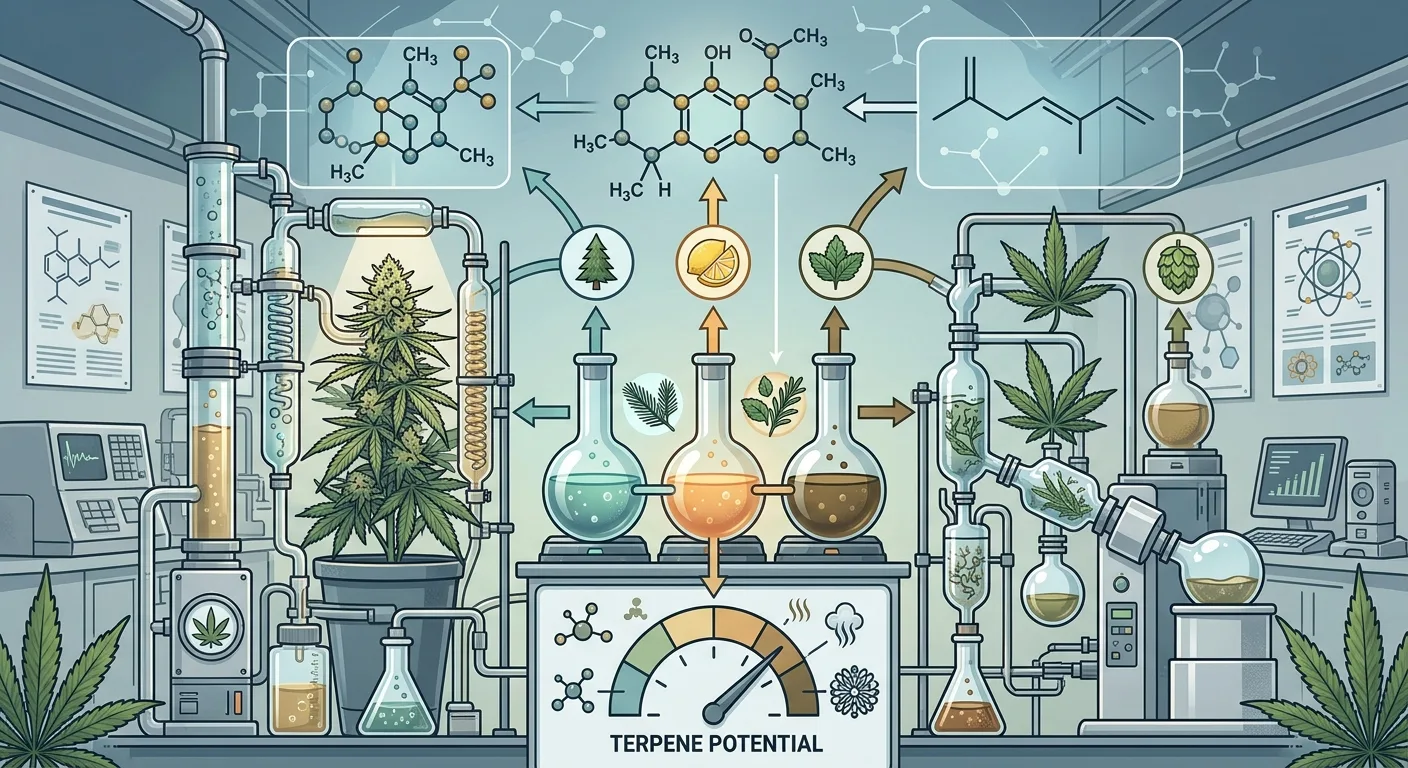
Terpenes are organic compounds produced by plants - not just cannabis, but nearly every fragrant plant you've encountered. The sharp bite of black pepper, the calming scent of lavender, the zest in orange peels - all terpenes. In cannabis, terpenes are synthesized in the same glands (trichomes) that produce THC and CBD, which is why potent, resinous buds also tend to have bold, complex aromas. Over 150 different terpenes have been identified in cannabis, though only a handful appear in concentrations high enough to shape the experience.
Terpenes serve a biological purpose for the plant: they deter pests, attract pollinators, and protect against environmental stress. For consumers, terpenes do something equally important - they modulate the effects of cannabinoids through a phenomenon researchers call the entourage effect. This means THC doesn't act alone; it interacts with terpenes and other compounds to produce the full spectrum of effects. A myrcene-heavy indica will feel sedative, while a limonene-dominant hybrid might feel clearheaded and social, even if both contain similar THC levels.
How Terpenes Influence Cannabis Effects
The entourage effect isn't marketing hype - it's supported by research showing that terpenes can enhance, dampen, or shift cannabinoid activity. For example, myrcene is believed to increase cell permeability, allowing cannabinoids to cross the blood-brain barrier more easily. Caryophyllene can bind to CB2 receptors directly, producing its own therapeutic effects independent of THC. This is why experienced consumers often choose strains based on smell and terpene profile, not just indica/sativa labels or THC percentages.
When you shop for cannabis, the terpene profile is often listed on lab reports or product descriptions. If you've ever picked a strain because it "smelled right" and then loved the effect, you were instinctively choosing based on terpenes. Now we're making that process intentional.
Myrcene: The Dominant Sedative Terpene in Most Indicas
Myrcene is the most abundant terpene in cannabis, especially in indica-dominant strains. It smells earthy, musky, and herbal - think ripe mango or cloves. If you've ever noticed that some strains make you sink into the couch while others keep you functional, myrcene concentration is often the deciding factor. Strains with more than 0.5% myrcene are typically associated with sedative, "couch-lock" effects, while those below that threshold tend to feel more energizing.
Myrcene is also found in hops, lemongrass, and bay leaves, which is why some beers and herbal teas share that calming, earthy profile. In cannabis, myrcene works synergistically with THC to enhance muscle relaxation and may contribute to the anti-inflammatory and analgesic properties users report. It's the terpene most responsible for the classic "stoned" feeling - heavy-lidded, body-focused, and deeply relaxed.
Myrcene-Rich Strains and When to Choose Them
If you're looking for nighttime relief, pain management, or deep relaxation, myrcene-dominant strains are your target. Look for descriptions that include words like "earthy," "musky," or "herbal." On live menus, strains such as Platinum Bubba Kush, Pink Death Star, and Godfather OG consistently test high in myrcene and deliver the heavy-body effects the terpene is known for.
Myrcene is also the reason some strains pair so well with late-night unwinding or pre-sleep routines. If you've ever eaten a mango before smoking (a popular folk tip), you were banking on the fruit's myrcene content to amplify the cannabis high. Whether that works is debatable, but the underlying terpene chemistry is sound - myrcene does enhance cannabinoid absorption.
For a deeper look at how cannabis affects your body over time and how different compounds interact, check out our guide on CBD to THC ratios and how cannabinoid balance shapes effects.
Limonene: The Uplifting Citrus Terpene Behind Mood-Boosting Strains
Limonene is the second most common terpene in cannabis and the easiest to identify by smell - it's pure citrus. If a strain smells like lemon peel, orange zest, or grapefruit, limonene is running the show. Unlike myrcene's sedative profile, limonene is associated with uplifting, mood-enhancing effects. It's the terpene you'll find in sativas and sativa-leaning hybrids that make you want to clean the house, go for a walk, or have a long conversation.
Limonene is also found in citrus rinds, juniper, and peppermint. In aromatherapy, it's used to reduce stress and elevate mood, and those same effects carry over into cannabis. Research suggests limonene may have anxiolytic (anti-anxiety) properties, and anecdotal reports consistently link limonene-dominant strains to sociability, creativity, and mental clarity. If you've ever noticed that certain strains make you chatty or productive while others make you quiet and introspective, limonene concentration is part of the equation.
Limonene-Dominant Strains and Daytime Use
Strains high in limonene are ideal for daytime use, social situations, or creative work. They tend to produce clear-headed highs with less body heaviness and more mental energy. On dispensary menus, look for strains described as "citrus," "zesty," or "bright." Products like Very Berry Haze and citrus-forward hybrids often feature prominent limonene profiles.
Limonene also plays well with THC to reduce paranoia and anxiety - a notable contrast to myrcene's tendency to amplify body sedation. If you're someone who gets anxious on high-THC strains, choosing limonene-rich options may offer a smoother, more functional experience. It's one reason why budtenders often recommend citrus strains to new consumers or those sensitive to THC's mental effects.
Caryophyllene: The Peppery Terpene That Binds to Cannabinoid Receptors
Caryophyllene (specifically beta-caryophyllene) is unique among terpenes because it acts as a cannabinoid. It binds directly to CB2 receptors in the body's endocannabinoid system, which means it produces effects independent of THC. Caryophyllene smells spicy, peppery, and woody - think black pepper, cloves, or cinnamon. If a strain has a sharp, almost pungent nose that makes you think "spice rack," caryophyllene is present.
This terpene is found in black pepper, cloves, hops, and rosemary. In cannabis, it's associated with anti-inflammatory and analgesic effects, making it popular among medical users seeking pain relief or muscle relaxation without heavy sedation. Because caryophyllene targets CB2 receptors (which are concentrated in the immune system and peripheral tissues, not the brain), it doesn't produce psychoactive effects on its own - but it does enhance the body-focused benefits of THC and CBD.
Caryophyllene-Rich Strains for Pain and Inflammation
If you're dealing with chronic pain, inflammation, or muscle tension, caryophyllene-dominant strains are worth seeking out. They deliver therapeutic benefits without the overwhelming mental fog that high-THC or high-myrcene strains can produce. Strains like Gelato, GSC (Girl Scout Cookies), and Bubba Goo often test high in caryophyllene and are favoured by consumers managing pain or stress.
Caryophyllene also appears in cannabis concentrates and hash products. If you're exploring how to smoke hash, you'll notice that traditional pressed hashes often retain peppery, spicy notes from preserved caryophyllene - a sign of quality processing that kept terpenes intact.
Pinene: The Forest-Fresh Terpene for Alertness and Memory
Pinene comes in two forms - alpha-pinene and beta-pinene - and both smell like pine forest, rosemary, or fresh evergreen. It's the terpene behind that crisp, outdoorsy aroma some strains carry, and it's associated with alertness, focus, and memory retention. Unlike myrcene, which makes you drowsy, or limonene, which elevates mood, pinene is all about mental clarity and respiratory benefits.
Pinene is abundant in pine needles, rosemary, basil, and parsley. In traditional medicine, it's used as a bronchodilator and anti-inflammatory. In cannabis, pinene is believed to counteract some of THC's short-term memory impairment - which is why strains high in pinene often feel more functional and clearheaded. If you've ever smoked a strain that left you surprisingly sharp despite its THC content, pinene was likely involved.
Pinene-Dominant Strains and Functional Highs
Strains high in pinene are ideal for daytime productivity, outdoor activities, or situations where you need to stay sharp. They tend to produce uplifting, energizing effects without the jittery overstimulation that pure sativas can sometimes cause. On menus, look for strains described as "piney," "fresh," or "herbal." Classics like Jack Herer, Blue Dream, and Trainwreck often feature prominent pinene profiles.
Pinene also appears in high concentrations in some cannabis concentrates, especially live resin and shatter made from fresh-frozen material. If you're exploring concentrates and want to maintain functionality, choosing pinene-rich extracts can deliver potency without overwhelming mental fog. For tips on handling concentrates safely and effectively, see our guide on first dab tips for beginners.
Other Notable Terpenes: Linalool, Humulene, and Terpinolene
While myrcene, limonene, caryophyllene, and pinene are the heavy hitters, several other terpenes appear in cannabis and contribute to the full effect profile. Linalool smells floral and lavender-like; it's associated with calming, sedative effects and is often found in indica strains marketed for anxiety relief or sleep. Humulene smells earthy and woody (think hops or sage) and is believed to suppress appetite and reduce inflammation. Terpinolene is more complex - herbal, floral, and slightly citrus - and tends to appear in energizing, uplifting strains despite being less common overall.
Each of these terpenes adds nuance to the cannabis experience. A strain with balanced levels of linalool and myrcene might feel deeply sedative but also calming in a way that reduces anxiety. A strain with humulene and caryophyllene together might deliver powerful anti-inflammatory effects without much mental high. This is why terpene profiles matter more than single-compound dominance - it's the combination that defines the effect.
Reading Terpene Profiles on Product Labels
Most licenced cannabis products in Canada now include lab-tested terpene profiles on their packaging or online listings. You'll see a breakdown showing the top three to five terpenes and their concentrations (usually measured in mg/g or as a percentage). If a strain lists 1.2% myrcene, 0.8% caryophyllene, and 0.5% limonene, you can expect sedative effects with a spicy kick and a hint of citrus brightness. If it shows 1.0% limonene, 0.7% pinene, and 0.4% terpinolene, expect an uplifting, clearheaded high with functional energy.
Learning to read these profiles takes practice, but once you start matching terpene data to your lived experience, it becomes second nature. You'll stop reaching for "indica" or "sativa" labels and start choosing based on the actual compounds that produce the effects you want. For more on how to evaluate cannabis quality beyond just THC numbers, explore our breakdown of popcorn buds versus shake and how to assess value.
How Growing and Processing Affect Terpene Preservation
Terpenes are volatile - they evaporate easily when exposed to heat, light, or air. This is why fresh cannabis smells stronger than old, dried-out buds, and why proper storage matters. Growers preserve terpenes by harvesting at peak ripeness, curing slowly in controlled environments, and avoiding over-drying. Processors maintain terpenes by using low-temperature extraction methods (like live resin or cold-pressed hash) and avoiding harsh solvents that strip away delicate aromatic compounds.
When you buy cannabis, look for products stored in airtight containers, kept away from light, and handled with care. If a strain smells weak or hay-like, it's lost much of its terpene content - and with it, the nuanced effects that make quality cannabis worth buying. This is also why live resin and fresh-frozen concentrates command premium prices: they preserve terpene profiles that traditional drying and curing methods can't match.
Terpene Loss and Product Degradation
Terpenes degrade faster than cannabinoids. While THC remains relatively stable for months (or years, if stored properly), terpenes can begin to fade within weeks if buds are exposed to air or fluctuating temperatures. This is why cannabis that's been sitting on a shelf for too long often produces a flatter, less interesting high - the THC is still there, but the terpene profile has collapsed. If you've ever wondered how to rehydrate dry weed without losing more terpenes, the answer is careful rehydration using humidity packs and airtight jars, never heat or direct moisture.
For concentrates, terpene preservation is even more critical. Shatter, wax, and crumble can lose terpenes during purging if processors overheat the material. Live resin and live diamond cartridges preserve terpenes by freezing fresh plant material immediately after harvest, locking in the full aromatic profile before it can degrade. This is why live resin tastes and smells so much more vibrant than standard distillate.
Choosing Cannabis Products Based on Terpenes, Not Just THC
The biggest shift in how informed consumers shop for cannabis is moving away from THC percentage as the sole decision factor. A 15% THC strain with a rich terpene profile will often deliver a more satisfying, complex high than a 25% THC strain that's been dried to dust and lost all its aromatic compounds. Terpenes shape onset, duration, mood, body feel, and overall experience in ways that cannabinoids alone cannot.
When you browse a dispensary menu, look for strains with detailed terpene information. If you want relaxation and sleep, seek myrcene and linalool. If you want energy and focus, look for limonene and pinene. If you need pain relief without heavy sedation, choose caryophyllene-dominant options. This terpene-first approach transforms cannabis shopping from guesswork into informed decision-making.
Matching Terpenes to Activities and Situations
Think of terpene profiles as tools for different occasions. Myrcene-heavy indicas are your evening unwind and sleep aid. Limonene-rich hybrids are for social gatherings, creative work, or morning motivation. Caryophyllene-dominant strains are for managing pain while staying functional. Pinene-forward sativas are for outdoor adventures, exercise, or tasks that require mental clarity. Once you understand what each terpene does, you can match strains to your day with precision.
This approach also applies to concentrates, edibles, and vape cartridges. Many full-spectrum products retain terpene profiles, while distillates often strip them away. If you're choosing between a live resin cartridge and a distillate cart, the live resin will deliver a fuller, more nuanced effect thanks to preserved terpenes. For a breakdown of vape formats and how terpenes factor into cartridge quality, read our guide on disposable vapes versus cartridges.
Common Questions About Terpenes in Cannabis
No. Terpenes are not psychoactive on their own - they don't bind to CB1 receptors in the brain the way THC does. However, they modulate how cannabinoids affect you through the entourage effect, which means they shape the character and intensity of the high without producing intoxication themselves.
No. Standard drug tests screen for THC metabolites and sometimes CBD, but they do not test for terpenes. Terpenes are legal, non-intoxicating compounds found in countless plants, and they have no relevance to workplace or legal drug screening.
Terpenes are volatile organic compounds that evaporate when exposed to air, heat, or light. Cannabis that's improperly stored or left unsealed will lose terpene content over weeks or months, resulting in weaker aroma and flatter effects. Proper storage in airtight containers away from light and heat preserves terpenes.
Yes, when sourced from natural cannabis or food-grade botanical sources. Terpenes are generally recognized as safe (GRAS) by health authorities when consumed or inhaled in typical amounts. However, artificially synthesized terpenes or those used in excessive concentrations can cause irritation. Stick to products that use naturally derived terpenes and avoid vape cartridges with added cutting agents.
Yes, food-grade terpene isolates are available, and some consumers add them to dry flower, concentrates, or homemade edibles to enhance flavour and effects. However, use caution - pure terpenes are highly concentrated and can be harsh or irritating if used improperly. Start with tiny amounts (a single drop) and dilute thoroughly.
Absolutely. Fresh flower and live resin concentrates preserve the most terpenes. Traditional cured flower loses some terpenes during drying but retains enough for a full effect. Hash and rosin can preserve terpenes well if processed correctly. Distillate cartridges and heavily refined extracts strip most terpenes away, which is why they're often reintroduced artificially. Edibles typically contain no terpenes unless specifically formulated with them.
Conclusion: Terpenes Are the Missing Link Between Label and Experience
Understanding terpenes transforms cannabis from a guessing game into a predictable, customizable experience. Once you know that myrcene makes you sleepy, limonene lifts your mood, caryophyllene soothes pain, and pinene keeps you sharp, you stop relying on vague indica/sativa labels and start choosing products based on the compounds that actually matter. Every strain description, every lab report, and every smell test becomes a clue to what that product will do - and whether it fits your needs.
The next time you're browsing a menu, don't just look at THC percentages. Read the terpene profile. Smell the product if you can. Ask your budtender which strains test high in the terpenes you're after. This is how you move from casual consumption to informed selection, and how you find the strains that deliver the exact effects you want, every time.
Shop Terpene-Rich Cannabis in Ottawa and Gatineau
Browse our selection of lab-tested strains with detailed terpene profiles. Choose your effects, not just your THC numbers.
Explore Strains