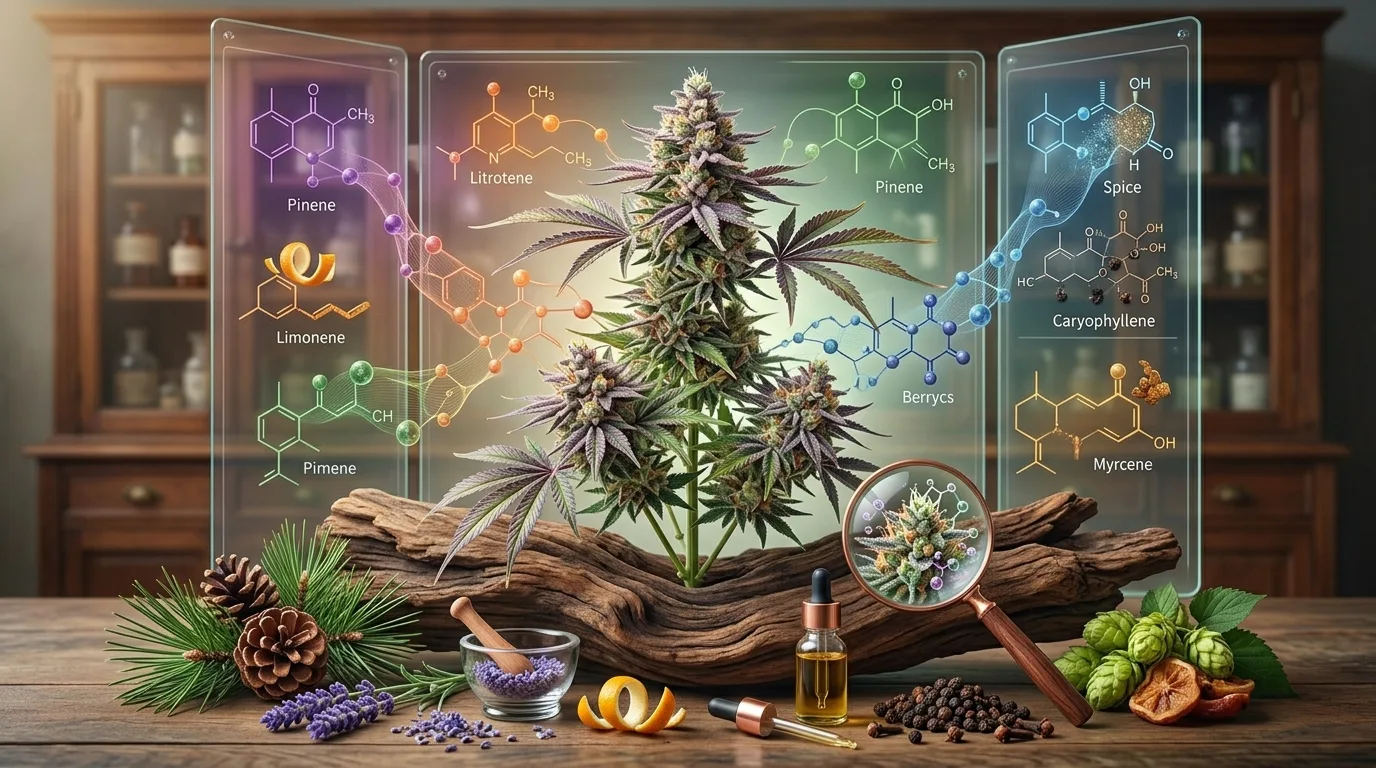
You've probably heard a budtender say a strain is "high in myrcene" or seen "limonene-forward" on a product label. But what are terpenes in weed, really? They're not cannabinoids like THC or CBD, yet they might be just as important to your cannabis experience. Terpenes are the aromatic compounds that give each strain its distinctive smell and flavour profile - from the citrus punch of a sativa to the earthy musk of a classic indica. More importantly, these molecules work alongside cannabinoids to shape how you feel, in a synergy scientists call the entourage effect.
Understanding terpenes transforms how you shop for cannabis. Instead of relying solely on THC percentage or strain name, you can match specific terpene profiles to your desired outcomes - whether that's relaxation, focus, pain relief, or mood elevation. This guide breaks down the major terpenes found in cannabis, what each one does, and which strains on the shelves actually deliver them. Think of this as the missing science pillar behind every strain description you've ever read.
Why Terpenes Matter More Than You Think
For decades, cannabis consumers focused almost exclusively on THC content. The higher the number, the better the product - or so the thinking went. But anyone who's compared a 30% THC strain that left them anxious to a 20% strain that felt perfectly balanced knows there's more to the story. That missing variable is often the terpene profile.
Terpenes are organic compounds produced in the resinous trichomes of the cannabis plant, the same glands that manufacture cannabinoids. While THC and CBD are unique to cannabis (and a few other plants), terpenes appear throughout the plant kingdom. The same limonene that gives cannabis a citrus note also appears in lemon rinds and oranges. Pinene, common in pine trees, shows up in many sativa-dominant strains. This is why different cannabis cultivars can smell like anything from diesel fuel to tropical fruit to fresh herbs.
But terpenes do more than smell nice. Research suggests they interact with cannabinoids to modulate their effects - potentially reducing anxiety from THC, extending duration of relief, or enhancing specific therapeutic benefits. A strain with identical THC content but different terpene ratios can produce wildly different experiences. This is why indica versus sativa categorization is increasingly seen as outdated; terpene composition matters more than historic genetics.
The Entourage Effect Explained
The entourage effect describes how cannabis compounds work better together than in isolation. When you consume whole-plant cannabis, dozens of cannabinoids and terpenes interact with your endocannabinoid system simultaneously. Terpenes can influence how cannabinoids bind to receptors, how quickly they cross the blood-brain barrier, and how long their effects last. Some terpenes have their own direct effects on mood and physiology, independent of THC or CBD.
For example, beta-caryophyllene is the only terpene known to directly activate cannabinoid receptors (specifically CB2 receptors linked to inflammation). Myrcene is thought to increase cell permeability, potentially allowing cannabinoids to take effect more quickly. Limonene may enhance serotonin and dopamine levels in certain brain regions. These aren't just theoretical interactions - they're the reason two strains with similar THC levels can feel completely different.
Myrcene: The Sedating, Earthy Terpene
Myrcene is the most abundant terpene in modern cannabis, particularly in indica-dominant strains. It delivers an earthy, musky aroma with subtle notes of clove and ripe fruit. If you've ever noticed that some strains have a distinctly "skunky" or "dank" smell, you're picking up on high myrcene content. This terpene is also found in mangoes, lemongrass, thyme, and hops - which explains why some IPAs have a curiously cannabis-like bouquet.
Myrcene is often associated with sedative effects, making it a go-to for evening use and sleep support. Strains testing above 0.5% myrcene are typically described as relaxing, couch-locking, or body-focused. The terpene is thought to enhance THC's ability to cross the blood-brain barrier, potentially intensifying psychoactive effects while simultaneously adding a calming, muscle-relaxing quality.
Myrcene-Dominant Strains and Effects
Classic indica strains tend to be myrcene powerhouses. Pink Kush, one of Canada's most popular cultivars, typically tests high in myrcene alongside caryophyllene, contributing to its reputation as a potent nighttime strain. Pink strains in general often carry significant myrcene loads, which may explain their enduring popularity among consumers seeking relaxation.
Other myrcene-forward options include Granddaddy Purple, Grape Ape, and most OG Kush phenotypes. If you're browsing for strains with sedative qualities, look for those lab-tested descriptions mentioning myrcene above 0.5%. Users report these strains work well for pain management, insomnia, and unwinding after stressful days. The earthy, herbal flavour profile is polarizing - some find it comforting and grounding, while others prefer brighter, fruitier terpene combinations.
Limonene: The Uplifting Citrus Powerhouse
Limonene is instantly recognizable by its bright, citrusy aroma. Strains high in limonene smell like lemon peel, orange zest, or grapefruit. This terpene is the second most abundant in cannabis (after myrcene) and appears frequently in sativa-dominant and hybrid strains. Beyond cannabis, limonene is found in all citrus fruits, juniper, peppermint, and rosemary.
Research on limonene suggests mood-elevating and stress-relieving properties. Studies in mice have shown limonene exhibits anxiolytic (anti-anxiety) effects and may have antidepressant-like qualities. In the cannabis context, limonene is often cited as the terpene behind "uplifting" or "energizing" strain descriptions. It's also being studied for its potential anti-inflammatory and gastroprotective properties, though human research is still limited.
Where to Find Limonene on the Menu
If you're seeking focus, creativity, or daytime energy, look for strains testing high in limonene. Super Lemon Haze, Durban Poison, and Tangie are classic examples, each delivering pronounced citrus notes alongside cerebral, clear-headed effects. Many consumers report limonene-dominant strains help with anxiety and depression without the sedation that can come from myrcene-heavy cultivars.
Hybrid strains often feature limonene alongside other terpenes for balanced effects. Sativa strains for energy frequently showcase limonene as a star player, contributing to their reputation for productivity and mood enhancement. The flavour is generally crowd-pleasing - crisp, clean, and refreshing - making limonene strains popular among newer consumers who might find heavy myrcene profiles too intense.
Beta-Caryophyllene: The Spicy, Anti-Inflammatory Agent
Beta-caryophyllene (often just called caryophyllene) has a spicy, peppery aroma with notes of wood and clove. It's the terpene that gives black pepper its bite, and it's also found in cinnamon, oregano, basil, and hops. What makes caryophyllene unique among terpenes is its ability to interact directly with the endocannabinoid system, specifically binding to CB2 receptors.
CB2 receptors are primarily found in the immune system and peripheral tissues rather than the brain, which means caryophyllene's effects are more physical than psychoactive. This makes it particularly interesting for therapeutic applications. Research suggests caryophyllene has anti-inflammatory, analgesic (pain-relieving), and anxiolytic properties. Because it doesn't interact with CB1 receptors in the brain, it doesn't produce intoxication on its own, making it a safe target for medical research.
Caryophyllene Strains for Pain and Inflammation
Strains high in caryophyllene are often recommended for chronic pain, inflammation, and muscle tension. Girl Scout Cookies (GSC) and its many phenotypes typically test high in caryophyllene, alongside limonene and sometimes myrcene. This combination contributes to GSC's reputation as a potent pain-relief strain with balanced mental effects. Sour Diesel, despite being sativa-dominant, also carries significant caryophyllene, which may temper its cerebral intensity with body relaxation.
Many indica-dominant strains feature caryophyllene as a secondary terpene alongside myrcene, creating a full-body experience that addresses both physical discomfort and mental tension. If you're shopping for therapeutic relief rather than recreation, asking about caryophyllene content can lead you to strains specifically suited for inflammation-related conditions. The spicy, peppery flavour adds complexity to smoke or vapour, often described as "earthy" or "hashy" by experienced consumers.
Pinene: The Alert, Clarifying Pine Note
Pinene comes in two forms - alpha-pinene and beta-pinene - both delivering the sharp, fresh scent of pine needles and evergreen forests. Alpha-pinene is more common in cannabis and produces that classic "piney" aroma alongside herbal, woody notes. This terpene is abundant in pine trees, rosemary, basil, parsley, and dill.
Pinene is associated with alertness and mental clarity, potentially counteracting some of the short-term memory impairment associated with THC. Some research suggests pinene acts as a bronchodilator, opening airways (ironically, given that many cannabis consumers smoke it). Preliminary studies also point to anti-inflammatory and antimicrobial properties. Anecdotally, pinene-rich strains are reported to produce clear-headed, focused highs without sedation or brain fog.
Strains High in Pinene for Daytime Use
Many sativa and sativa-leaning hybrids feature prominent pinene. Jack Herer, one of the most celebrated sativa strains, typically tests high in pinene alongside terpinolene, contributing to its reputation for energizing, creative effects without anxiety. Blue Dream, while technically a hybrid, often shows significant pinene content that balances its myrcene levels, producing a functional, daytime-friendly experience.
If you're looking for strains that won't leave you glued to the couch, pinene-forward options are worth exploring. The flavour is bracing and clean, often described as "fresh" or "herbal." Some consumers find the pine notes pair particularly well with outdoor activities or focused work sessions. For those concerned about memory effects from THC, choosing strains with balanced pinene content might provide a clearer cognitive experience.
Other Notable Terpenes in Cannabis
While myrcene, limonene, caryophyllene, and pinene are the heavy hitters, cannabis produces over 100 different terpenes. Several others deserve mention for their distinct characteristics and effects:
Linalool: The Floral Relaxant
Linalool smells like lavender and fresh flowers. It's the primary terpene in lavender plants and is also found in mint, cinnamon, and coriander. Linalool is associated with calming, sedative effects and is often present in strains recommended for anxiety and sleep. Research suggests potential anxiolytic and anticonvulsant properties. Look for linalool in strains like LA Confidential, Amnesia Haze, and some purple varieties.
Humulene: The Earthy, Appetite-Suppressing Terpene
Humulene delivers earthy, woody aromas and is a major component of hops (which is why some cannabis smells distinctly beer-like). Interestingly, unlike THC which typically increases appetite, humulene may have appetite-suppressing qualities. It also shows promise for anti-inflammatory effects in early research. Strains high in humulene include Headband, White Widow, and many Kush varieties.
Terpinolene: The Complex, Herbaceous Profile
Terpinolene is less common but distinctive, offering a complex aroma that blends floral, herbal, and slightly citrus notes. It's found in nutmeg, tea tree, conifers, and apples. Terpinolene-dominant strains are relatively rare but often described as uplifting and energizing. Jack Herer, Dutch Treat, and some Trainwreck phenotypes showcase terpinolene. The flavour profile is nuanced and tends to appeal to experienced consumers looking for something unique.
How to Shop for Terpenes: Practical Tips
Now that you understand what individual terpenes do, how do you actually use this information when shopping? Most cannabis product labels don't include detailed terpene profiles, but things are changing. Here's how to become a more informed consumer:
Read Lab Test Results
Quality dispensaries and mail-order services provide lab test results showing cannabinoid and terpene percentages. Look for the terpene breakdown - typically listed as a percentage or mg/g. A strain testing at 1-2% total terpenes is considered average; 2-3% is high; anything above 3% is exceptional and will deliver pronounced aromatics and effects. If shopping online, these details are often in the product description or available on request.
When browsing options for Toronto weed delivery, ask about lab testing availability. Reputable services should provide this transparency, allowing you to make choices based on terpene profiles rather than just strain names or THC percentages.
Use Your Nose
If you're shopping in person or receive a package, smell matters. Your nose can tell you a lot about dominant terpenes before you consume anything. Citrus punch? Likely high limonene. Deep, earthy musk? Probably myrcene-forward. Spicy pepper notes? Caryophyllene is present. Pine-fresh aroma? Pinene is there. Sharp, floral lavender? Look for linalool. Trust your olfactory system - it evolved to process these chemical signals.
Fresh, potent aroma generally indicates high terpene content and proper storage. If flower smells faint, hay-like, or not much at all, terpenes have degraded - either due to age, poor storage, or low-quality cultivation. Proper storage preserves terpenes alongside cannabinoids, maintaining both potency and experience quality.
Track Your Experiences
Keep notes about which strains and terpene profiles work best for your needs. Did that myrcene-heavy indica help you sleep? Did the limonene-forward sativa improve your focus without anxiety? Did caryophyllene-rich strains address your back pain better than others? Building your own reference library helps you shop more effectively over time.
This becomes especially important when strain names vary between sources or when the same strain name represents different genetics. Terpene profiles are more consistent markers of effect than names alone. If you found relief in a particular combination - say, myrcene and caryophyllene for pain, or limonene and pinene for productivity - you can seek out that profile regardless of what it's called.
Terpenes and Consumption Method
How you consume cannabis affects terpene delivery and experience. Different methods preserve or alter terpenes in distinct ways:
Vapourization: Maximum Terpene Preservation
Vapourizing at lower temperatures (around 160-180°C / 320-356°F) preserves delicate terpenes that would be destroyed by combustion. Each terpene has a different boiling point - myrcene vapourizes around 167°C, limonene at 176°C, caryophyllene at 130°C, pinene at 155°C. Temperature control allows you to target specific terpenes, making vapourizers ideal for those who want the full terpene experience with enhanced flavour.
Smoking: Heat Destruction Trade-offs
Combustion temperatures (above 230°C / 446°F) destroy many terpenes before you inhale them. However, enough survive to provide characteristic flavour and some entourage effect benefits. If you prefer joints or bongs, using hemp papers and avoiding excessive heat helps preserve more terpenes. Some consumers find the ritual and full-spectrum smoke experience worth the terpene loss.
Edibles: Different Terpene Dynamics
When cannabis is decarboxylated for edibles (heated to activate THC), many terpenes evaporate. However, some producers now add back cannabis-derived or botanical terpenes to edible products, attempting to preserve entourage effects. The oral consumption route also changes how terpenes interact with your system compared to inhalation. Edibles versus smoking represents fundamentally different pharmacological experiences, with terpenes playing a different role in each.
Common Misconceptions About Terpenes
As terpene awareness grows, so do some misunderstandings. Let's clear up a few common myths:
Myth: Indica/Sativa Determines Terpene Profile
While certain terpene trends exist (indicas often higher in myrcene, sativas often featuring more limonene and pinene), these are generalizations, not rules. Modern breeding has created hybrids with every imaginable terpene combination. A strain's genetic background matters less than its actual tested profile. Always look at lab results rather than assuming indica means myrcene or sativa means limonene.
Myth: Higher THC Always Means Better Effects
The THC percentage arms race has led many consumers astray. A 30% THC strain with a poor terpene profile often provides a less satisfying experience than a 20% THC strain with robust, balanced terpenes. THC percentage is one data point among many. Terpene content, cannabinoid ratios, and even minor cannabinoids contribute to overall quality and experience.
Myth: Terpenes Are Only About Smell and Taste
While terpenes absolutely create aroma and flavour, reducing them to sensory experience alone misses their therapeutic potential. The emerging research on terpene pharmacology suggests they have direct effects on physiology and interact meaningfully with cannabinoids. They're bioactive compounds in their own right, not just pleasant aromatics.
The Future of Terpene Research and Products
As cannabis legalization spreads and research barriers fall, we're learning more about terpenes every year. Some emerging trends and areas of interest include:
Terpene-Specific Products
Some producers now create cannabis products formulated for specific terpene profiles rather than just THC/CBD ratios. You might see offerings like "high-limonene vapes for mood" or "myrcene-caryophyllene blends for pain." This targeted approach treats terpenes as active ingredients worthy of product design, not just byproducts of strain selection.
Botanical Terpene Addition
To standardize effects and enhance depleted profiles, some manufacturers add terpenes derived from other plants (botanical terpenes) to cannabis products. While chemically identical to cannabis-derived terpenes, this practice is controversial. Purists argue for whole-plant, cannabis-derived terpenes only; pragmatists note botanical terpenes make consistent products more affordable. Both camps agree terpenes matter - they just disagree on sourcing.
Clinical Research Expansion
Universities and medical research institutions are increasingly studying individual terpenes and their interactions with cannabinoids. As this research expands, we'll gain clearer understanding of therapeutic applications, optimal ratios, and potential medical uses. The next decade may see terpene-based medicines developed alongside traditional cannabinoid therapies.
Experience Terpene-Rich Cannabis
Shop our selection of lab-tested strains with detailed terpene profiles. From myrcene-heavy indicas to limonene-forward sativas, find the perfect match for your needs.
Browse StrainsFrequently Asked Questions About Cannabis Terpenes
Myrcene is the most abundant terpene in modern cannabis, particularly in indica-dominant strains. It delivers earthy, musky aromas and is associated with sedative, relaxing effects. Strains testing above 0.5% myrcene are typically considered myrcene-dominant.
Terpenes themselves don't produce intoxication the way THC does. However, they modulate and enhance cannabinoid effects through the entourage effect, influencing how high you feel, the quality of that high, and its duration. Some terpenes have mild psychoactive properties (like mood elevation from limonene), but they're not intoxicating on their own.
Yes, terpenes are volatile compounds that evaporate and degrade with exposure to heat, light, and air. Proper storage in airtight containers away from light at cool temperatures preserves terpenes. Old or poorly stored cannabis loses its characteristic smell precisely because terpenes have evaporated, diminishing both flavour and effects.
No, terpenes are identical molecules regardless of source. Limonene from cannabis is chemically identical to limonene from lemon peel. What makes cannabis unique is the specific combination and concentration of terpenes alongside cannabinoids, creating the entourage effect. The terpenes themselves are universal plant compounds.