You just picked up a premium quarter ounce of Pink Death Star or splurged on a bulk ounce deal, and now it's sitting on your dresser in the bag it came in. Three weeks later, you reach for a nug and it crumbles into dust. The aroma that made you choose that strain? Gone. The smooth smoke? Now harsh and stale. This scenario plays out in homes across Toronto every single day, and it's completely avoidable.
Learning how to store weed properly isn't just about preservation,it's about respecting your investment and maintaining the cannabinoid profile, terpene content, and overall quality that you paid for. Whether you're keeping an eighth for the weekend or stockpiling ounces for the season, the science of cannabis storage is straightforward once you understand what degrades your flower and how to prevent it.
Why Proper Cannabis Storage Actually Matters
Cannabis flower is a delicate agricultural product. The moment it's harvested, cured, and packaged, a clock starts ticking. Without proper storage conditions, THC degrades into CBN (a less psychoactive cannabinoid), terpenes evaporate into the air, and the overall potency drops measurably. Studies show that cannabis stored in poor conditions can lose up to 16% of its THC content in the first year, with losses accelerating dramatically in suboptimal environments.
But THC degradation is only part of the story. The terpenes that give each strain its distinctive aroma and contribute to its effects are even more volatile than cannabinoids. Myrcene, limonene, and pinene,the compounds that differentiate a gassy Pink Kush from a citrus-forward sativa,begin evaporating immediately when exposed to air, heat, or light. Within weeks of improper storage, even premium AAAAA+ flower can smell like generic hay.
The Four Enemies of Fresh Cannabis
Understanding what degrades cannabis helps you protect it. Four environmental factors work against your stash: light, air, heat, and humidity. UV light breaks down cannabinoids and terpenes faster than any other factor. Oxygen causes oxidation that turns THC into CBN and dulls flavours. Heat accelerates both processes while providing ideal conditions for mold growth. And improper humidity either dries out your flower (making it harsh and crumbly) or creates moisture that breeds mold and bacteria.
The sweet spot for cannabis storage sits at 59-63% relative humidity and 60-70°F. Stay within this range and you can preserve quality for six months or longer. Deviate significantly, and you're looking at noticeable degradation within weeks.
Container Selection: What Works and What Doesn't
The container you choose forms your first line of defence against the elements. Walk into any Toronto apartment and you'll see weed stored in everything from ziplock bags to Tupperware to old pill bottles. Some work reasonably well. Most are actively harming your flower.
Glass Jars: The Gold Standard
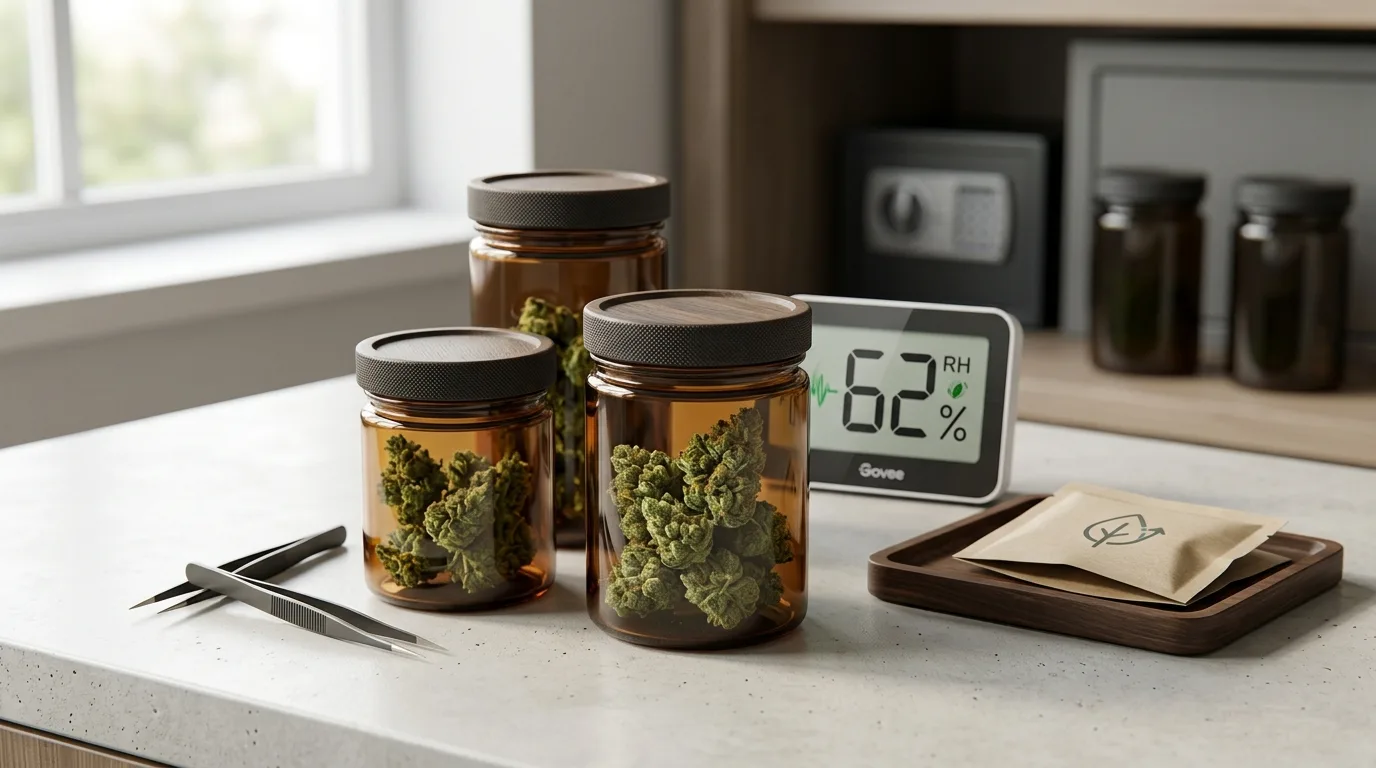
Mason jars and similar airtight glass containers remain the cannabis storage method preferred by connoisseurs and commercial cultivators alike. Glass is non-porous, doesn't absorb odours or oils, creates an excellent air seal, and provides UV protection when you choose amber or cobalt-coloured glass. A standard one-pint mason jar perfectly holds a quarter to half ounce, while quart jars accommodate full ounces with room for a humidity pack.
The key advantage of glass is its complete neutrality. Unlike plastic or metal, it won't interact with your cannabis in any way. The terpenes that touch the inside of a glass jar stay there, preserving the full aromatic profile. The seal keeps oxygen exposure to absolute minimum between openings. And when you do crack the lid, you get that unmistakable burst of fresh cannabis aroma that tells you everything is preserved correctly.
What About Plastic Bags and Containers?
The ziplock bag or plastic container that your budget ounce arrived in serves one purpose: getting the product to you safely. It's not designed for long-term storage. Plastic is porous at the microscopic level, allowing oxygen exchange and terpene loss. Static electricity in plastic bags actually pulls trichomes off your flower. And most plastic containers don't seal tightly enough to maintain stable humidity.
That said, if you're storing weed for just a few days and plan to consume it quickly, a quality plastic container with a rubber seal isn't the end of the world. Just don't expect flower to stay fresh in plastic for more than a week or two, especially if you're opening the container daily.
Metal, Wood, and Specialty Containers
Stainless steel containers offer excellent protection from light and create good seals, but they can affect flavour over time as metal ions interact with cannabis oils. Wooden boxes look attractive but are porous and can transfer wood flavours to your flower. Specialty cannabis storage containers with built-in humidity control and UV protection work well but come at a premium price,often $40-80 for containers that perform the same function as a $5 mason jar and $2 humidity pack.
Humidity Control: The Secret to Long-Term Freshness
Even the best container won't help if the humidity inside is wrong. Cannabis stored at 59-63% relative humidity maintains optimal moisture content,dry enough to prevent mold but moist enough to preserve terpenes and prevent crumbling. Achieving this precise range used to require expensive equipment, but two-way humidity control packs changed everything.
Boveda and Integra Boost Packs
These small packets contain a salt solution that automatically releases or absorbs moisture to maintain a specific relative humidity. Boveda 62% packs are the industry standard,drop one in your jar and it creates a stable 62% RH microclimate, keeping your flower in the perfect preservation zone for 2-4 months before the pack needs replacement. The 58% version works better for long-term storage beyond six months.
Integra Boost packs work on the same principle, cost slightly less, and many users find they last longer than Boveda. Both brands are two-way, meaning they'll add moisture to dried-out weed or absorb excess from overly moist flower. For a half ounce or less, use a 4-gram pack. For an ounce, go with 8 grams. Larger quantities need proportionally larger packs.
Reading the Signs of Improper Humidity
Your cannabis tells you when humidity is wrong. Over-dried flower crumbles when you touch it, produces harsh smoke that makes you cough, and has almost no smell. The trichomes become brittle and fall off easily. Over-moist cannabis feels spongy, doesn't grind properly, and carries a higher risk of mold. It may smell musty or like fresh-cut grass rather than the strain's intended profile.
If you notice either condition, a humidity pack can restore balance within 24-72 hours. But prevention beats correction,starting with properly cured cannabis stored at the right RH means you never fight humidity battles in the first place. This is one reason higher-grade cannabis from reputable sources stores better than budget options that may have been rushed through curing.
Temperature and Light: Creating the Ideal Environment
You've got your airtight glass jar and your humidity pack. Now where do you put it? Temperature and light exposure make or break your storage setup, and this is where many people stumble without realizing it.
Why Your Cannabis Needs Darkness
Light, especially UV light, is cannabis's worst enemy. A 1976 study published in the Journal of Pharmacy and Pharmacology found that light is the single largest factor in cannabinoid degradation,more impactful than temperature or air exposure. When UV rays hit THC molecules, they break down into CBN. This isn't just theoretical chemistry; you can litreally watch premium flower lose potency and aroma sitting on a sunny windowsill.
The solution is simple: store your jars in complete darkness. A cabinet, closet, or drawer works perfectly. If you're using clear glass jars, wrap them in a towel or put them in a box. Amber or cobalt-coloured glass blocks UV rays naturally, giving you more flexibility in placement, but darkness is still preferable. That Instagrammable display shelf showing off your collection in clear jars? It's destroying your weed.
Temperature Sweet Spots and Common Mistakes
The ideal storage temperature sits between 60-70°F, which conveniently overlaps with comfortable room temperature. This range prevents mold growth (which accelerates above 77°F) while avoiding the brittleness that comes from refrigeration. Many people make the mistake of refrigerating cannabis, thinking cold equals preservation. It doesn't work that way.
Refrigerators create humidity fluctuations, expose cannabis to frequent temperature changes when you open the door, and the cold makes trichomes brittle and easy to break off. Freezing is even worse,ice crystals rupture cell walls and trichome heads snap off at the slightest touch. Unless you're storing cannabis for years and using specialized freezer storage techniques, keep it at room temperature.
The real temperature threat comes from heat. Cannabis stored above 77°F experiences accelerated cannabinoid degradation and creates ideal conditions for mold spores to germinate. Attics, garages, and spots near heating vents all expose your stash to damaging temperature swings. Find a consistently cool, dark location and stick with it.
Strain-Specific Storage Considerations
Not all cannabis stores the same way. The density of the buds, their trichome coverage, and even the terpene profile affect how they age. Understanding these differences helps you tailor your storage approach to maximize each strain's longevity.
Dense Indica vs. Fluffy Sativa Structures
Dense indica buds like Pink Death Star or Purple Trainwreck pack tightly and hold humidity in their core even when the outside feels dry. This density protects terpenes but also creates small pockets where moisture can hide. When storing dense indicas, pay extra attention to humidity control,slightly lower RH (58-60%) prevents any interior moisture buildup that could lead to mold.
Fluffier sativa structures dry out faster because they have more surface area exposed to air. Green Lantern and similar sativa-dominant strains benefit from the higher end of the humidity range (62-63%) to prevent over-drying. They're also more prone to trichome loss during handling, so minimize how often you open their container and handle the buds.
Terpene-Rich vs. Lower-Terpene Profiles
Strains loaded with volatile terpenes,think gassy strains like Gas Face or citrus-forward varieties,need extra protection from air exposure. Their aromatic compounds evaporate more readily than less terpy flower. For these strains, consider burping your jars less frequently once the cannabis is properly conditioned. Open the jar only when needed, get what you want, and seal it back up immediately.
Lower-terpene strains (often budget or mid-tier options) still benefit from proper storage but are slightly more forgiving. They won't lose as much character because there's less to lose in the first place. This doesn't mean you can be careless,even basic proper storage dramatically improves their longevity compared to leaving them in a ziplock bag.
The Jar Curing Process: Burping and Conditioning
When you first transfer fresh cannabis into storage jars, you're not done. For the first few weeks, you need to "burp" the jars regularly to release trapped moisture and gases while allowing fresh air exchange. This process, called jar curing, continues the curing process that began before you received the flower and prevents anaerobic fermentation that causes hay smell.
The Burping Schedule
For the first week after jarring your cannabis, open each jar once per day for 5-10 minutes. This releases excess moisture and replenishes oxygen. Week two, drop to every 2-3 days. By week three or four, your cannabis is fully conditioned and you can seal it long-term, only opening jars when you need to access the flower inside.
During each burping session, take note of your flower's condition. If you smell ammonia or strong hay scent, the buds are too moist,leave the jar open longer and consider lowering humidity. If they feel overly dry and brittle, you need more humidity or you're burping too frequently. The smell should gradually improve as chlorophyll breaks down and terpenes mature, becoming more complex and strain-specific.
When to Skip Burping
Pre-packaged cannabis from commercial sources usually arrives properly cured and doesn't need extensive burping. If you're storing an ounce deal that arrived in good condition, you can skip straight to long-term storage with a humidity pack. Just monitor it for the first few days to ensure the RH stabilizes correctly.
Bulk Storage vs. Daily Use Strategy
If you're storing more than a quarter ounce, splitting your stash between bulk storage and daily use containers significantly extends freshness. Every time you open a jar, you expose the entire contents to air, humidity changes, and light. Over weeks of daily access, this takes a toll even with perfect storage conditions.
The Two-Container Method
Keep your main stash in a larger jar that stays sealed except during transfers. Transfer enough for a week's use into a smaller daily jar that you open regularly. This limits oxygen exposure and humidity fluctuation to just the small amount you're actively consuming, while the bulk remains in pristine sealed storage.
For example, if you bought an ounce of Platinum Bubba Kush, put 24 grams in a quart-sized jar with an 8-gram Boveda pack for long-term storage. Transfer 4 grams to a smaller jar for daily use. When the small jar empties, transfer another week's supply. The 24 grams in sealed storage will stay as fresh as the day you jarred it, while only the active-use portion experiences the minor degradation that comes with regular access.
Strain Separation and Organization
Never mix strains in the same jar unless you enjoy mystery weed. Different strains have different moisture contents, terpene profiles, and storage needs. They'll affect each other's aroma, create humidity imbalances, and you'll lose the ability to identify what you're consuming. Use separate jars for each strain and label them clearly with strain name and date of storage.
A simple labelling system saves confusion months later. Write the strain name, date stored, and expected consumption date on masking tape or proper labels. Include THC percentage if you know it, especially if you're storing multiple similar strains. When you've got four jars of different pink strains, clear labelling prevents accidentally breaking into your long-term stash when you meant to grab the daily jar.
Common Storage Mistakes That Ruin Cannabis
Even experienced consumers fall into storage traps that seem harmless but accelerate degradation. Avoiding these common mistakes preserves quality and saves money by ensuring nothing goes to waste.
The Refrigerator Trap
We mentioned this earlier but it deserves emphasis because it's so common. Refrigerating cannabis seems logical,cold preserves food, right? But cannabis isn't food, and refrigerators create the exact environment that damages it. The temperature fluctuations every time you open the fridge door, the high humidity inside, and the brittle trichomes that result from cold exposure all work against you. Room temperature in a dark cabinet beats refrigeration every single time for storage periods under a year.
Over-Handling and Unnecessary Jar Opening
Some people can't resist opening their jars to smell their stash multiple times per day. This habit introduces fresh oxygen, allows terpene evaporation, and transfers oils from your hands to the jar rim that can affect seal quality. Once your cannabis is properly conditioned, open jars only when you need to remove product. Admire your flower through the glass if you must look at it.
Grinding Before Storage
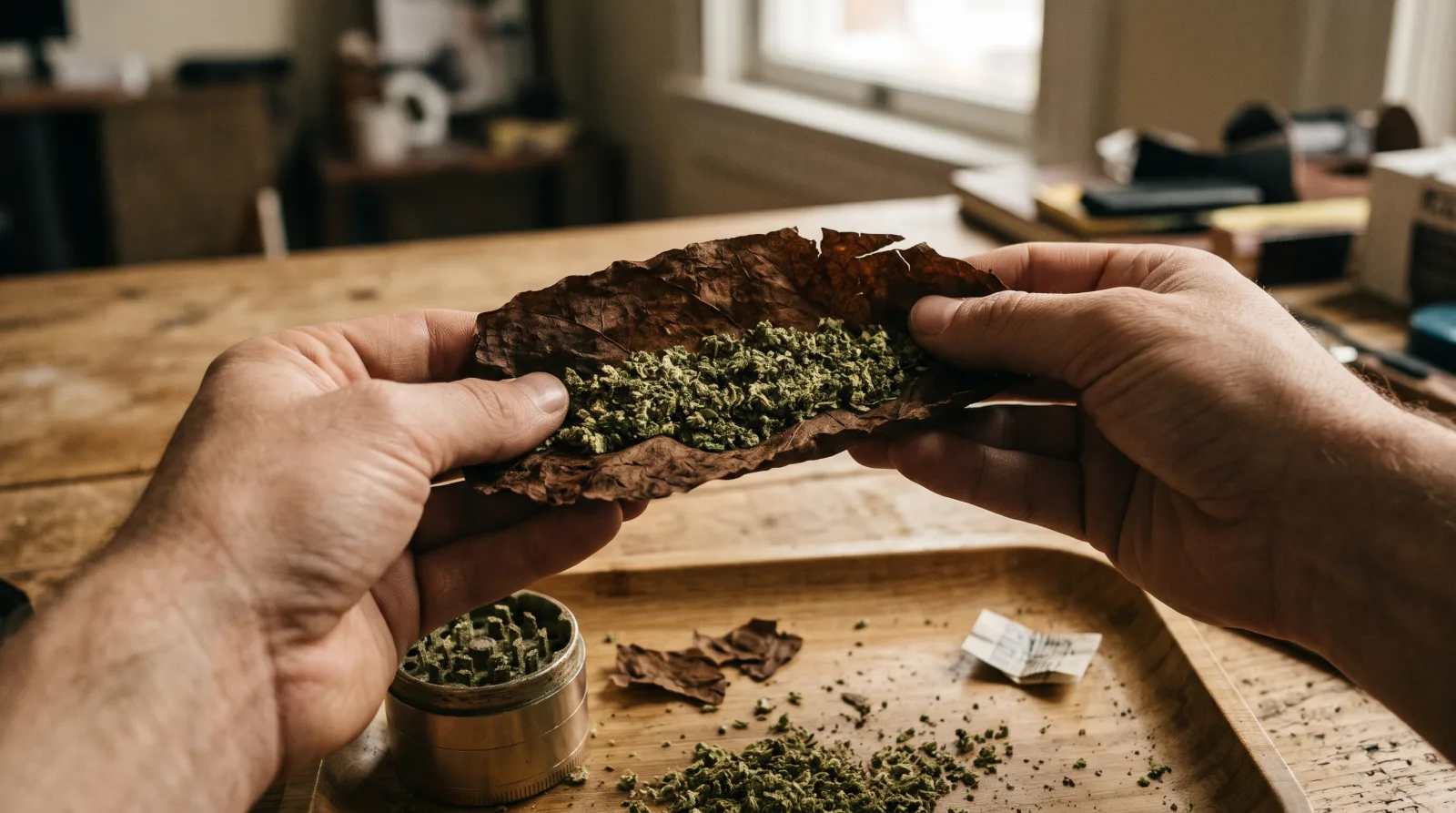
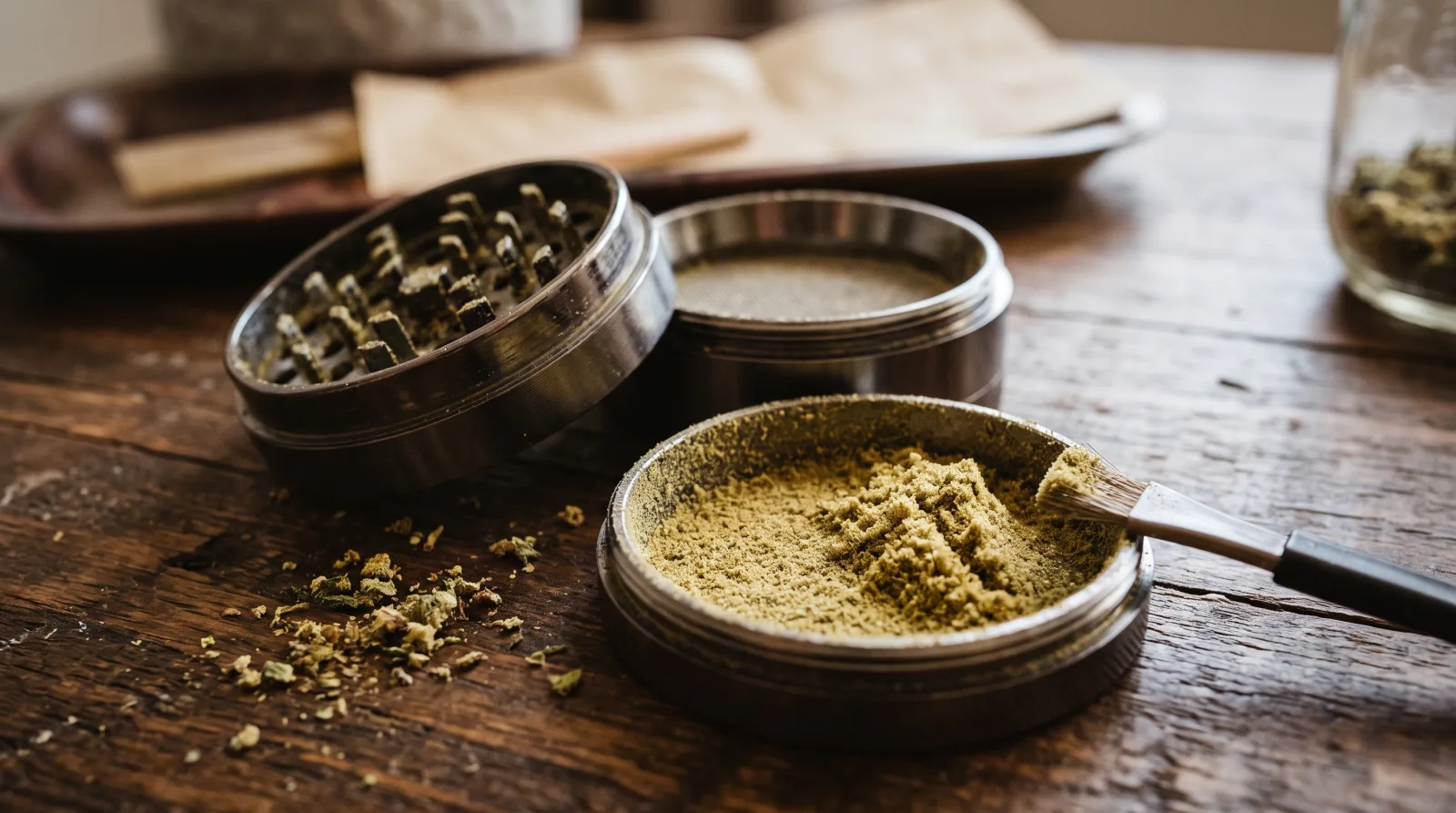
Grinding significantly increases surface area exposed to air and accelerates degradation exponentially. Ground cannabis loses terpenes and potency within hours, not days or weeks. Always store whole flower and grind only what you're about to consume immediately. Pre-grinding for convenience costs you dearly in quality loss.
For those interested in concentrates, the storage rules differ significantly. If you're exploring options beyond flower, understanding how to properly store shatter or other extracts requires different approaches focused on air-free containers and even lower temperatures.
How Long Different Storage Methods Preserve Quality
With perfect storage conditions, how long can you realistically expect cannabis to stay fresh? The timeline depends on your setup quality and how strictly you maintain ideal conditions.
Standard Storage Timeline
Optimal storage (glass, humidity control, dark, 60-70°F): 6-12 months with minimal degradation. After a year, you'll notice slight aroma reduction and possibly 10-15% THC loss, but the cannabis remains perfectly usable and enjoyable.
Good storage (airtight container, dark, room temperature, no humidity control): 3-6 months before noticeable decline. Terpenes fade faster without humidity control, but cannabinoid loss remains manageable.
Poor storage (plastic bag, light exposure, temperature fluctuations): 2-4 weeks before significant quality loss. Harsh smoke, reduced potency, and muted aroma appear quickly.
Signs Your Cannabis Has Degraded
No matter how well you store flower, eventually it ages. Watch for these indicators that your stash has passed its prime: loss of vibrant colour (green turning brown or yellow), disappearing aroma or development of hay smell, trichomes appearing dark amber or brown instead of milky white, excessively dry and crumbly texture that creates dust when handled, and harsh smoke that irritates your throat more than fresh flower would.
Properly stored cannabis should maintain its colour, aroma, and structural integrity through the entire timeline above. If you notice degradation earlier than expected, identify which storage factor you're not controlling properly and adjust.
Special Considerations for Edibles and Concentrates
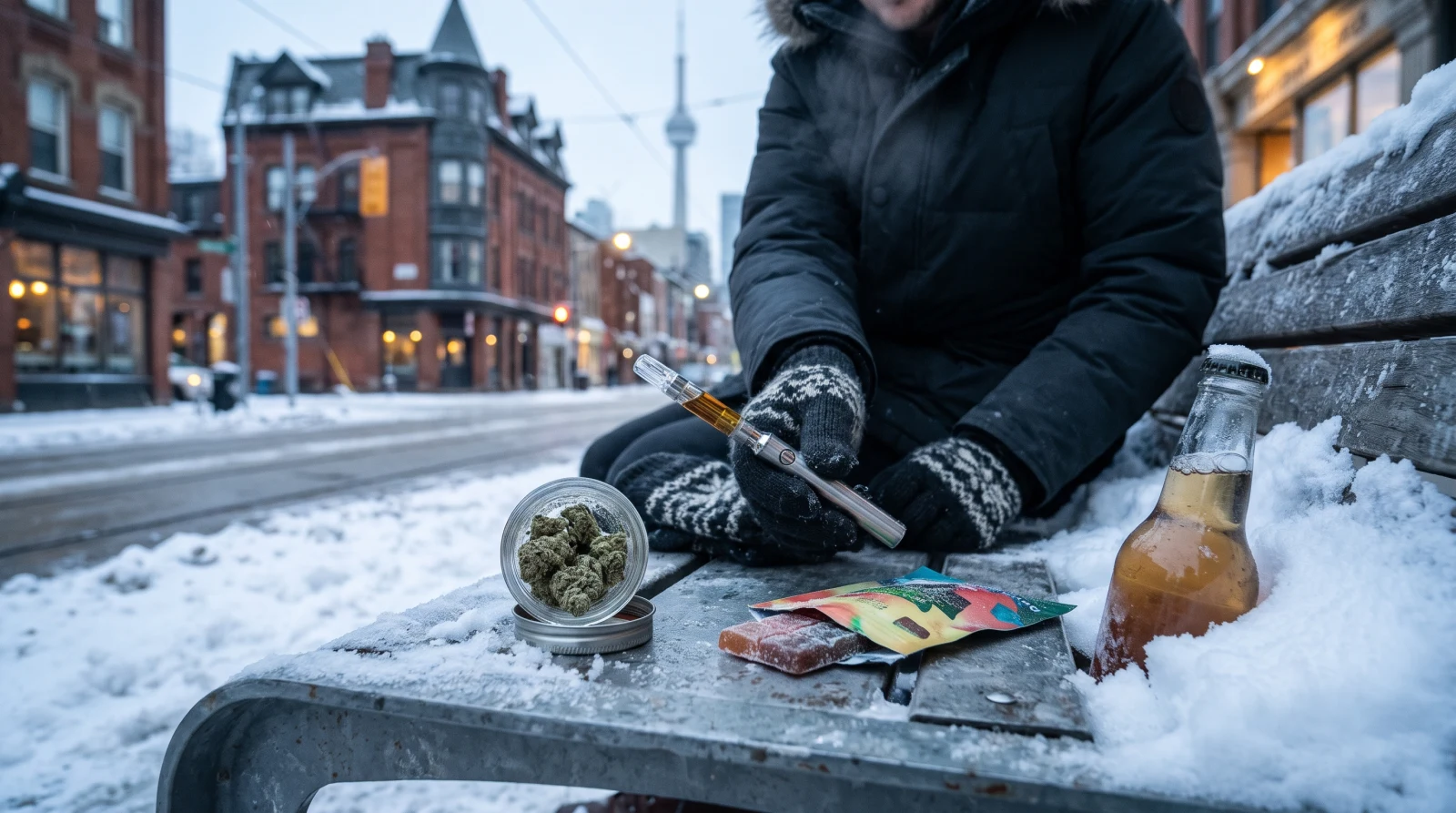
While this article focuses primarily on flower storage, edibles and concentrates follow different rules worth briefly covering. Cannabis edibles like those popular high-potency gummies should be stored in their original packaging in cool, dark conditions. Most have preservatives that extend shelf life to 6-12 months, but heat will melt gummies and potentially degrade THC.
Concentrates (shatter, wax, live resin) require air-free storage in silicone or glass containers, kept in cool darkness. Some concentrate enthusiasts refrigerate their extracts, which works better than with flower because concentrates don't have the moisture and trichome concerns that make refrigeration problematic for buds. Still, a cool, dark cabinet at room temperature serves most concentrate storage needs perfectly for several months.
Building Your Ideal Storage Setup
You don't need to spend hundreds on specialty equipment. A practical cannabis storage system costs under $30 and takes five minutes to set up. Here's the complete shopping list for proper storage of up to an ounce:
Equipment needed: One or two quart-sized mason jars ($5-8 total), two to three 8-gram Boveda 62% humidity packs ($6-9), a dark cabinet or closet (free, you already have this), and optional labels and marker ($2). Total investment: $15-20 that protects hundreds of dollars in cannabis.
Place your jars in the darkest cabinet you have, ideally one that doesn't experience temperature swings from nearby appliances or windows. Basements stay cooler and more stable than upper floors. Closets work better than kitchen cabinets that experience heat from cooking. The back corner of a bedroom dresser drawer beats the top of your desk.
Frequently Asked Questions About Cannabis Storage
No, you should always store different strains in separate jars. Each strain has unique moisture content, terpene profiles, and storage needs. Mixing strains causes terpenes to blend together, creates humidity imbalances, and makes it impossible to identify what you're consuming later. Use individual jars for each strain and label them clearly with the strain name and storage date.
Boveda and Integra Boost packs typically last 2-4 months in a properly sealed jar. You'll know they need replacement when they become hard and rigid rather than soft and pliable. If you notice your cannabis becoming too dry or humidity fluctuating despite having a pack in the jar, it's time for a fresh one. Keep a few spare packs on hand so you're never without humidity control.
Transfer to glass jars for any storage beyond a few days. Original packaging (especially plastic bags) is designed for transport and short-term storage only. It's porous, doesn't seal properly, and creates static that pulls trichomes off your flower. The only exception is premium mylar bags with heat seals and built-in humidity packs, which can work for medium-term storage if you don't open them.
Yes, to some degree. Place a humidity pack in the jar with dried-out cannabis and seal it for 24-72 hours. The pack will gradually restore moisture, making the buds less brittle and harsh to smoke. However, you cannot recover lost terpenes,once those aromatic compounds evaporate, they're gone forever. Humidity packs restore moisture but not the full original aroma and flavour profile.
Sustained temperatures above 77°F accelerate cannabinoid degradation and create ideal conditions for mold growth. Above 86°F, terpenes begin evaporating rapidly and THC converts to CBN at an accelerated rate. Keep your storage location consistently between 60-70°F for optimal preservation.