When you walk into a dispensary or scroll through an online cannabis menu, the descriptions can sound like wine reviews written by people who've never touched a grape. "Earthy undertones with a hint of citrus" doesn't tell you much when you're trying to decide between thirty different strains. But here's what Toronto budtenders and regular consumers have figured out: cannabis flavours fall into four main families, and once you know which one you like, navigating any menu becomes exponentially easier.
Understanding weed flavour profiles isn't about memorizing chemistry or pretending you can taste seventeen different notes in one puff. It's about recognizing the broad categories that actually matter to your smoking experience, learning which terpenes create those flavours, and knowing where to find them on the shelf. This guide breaks down the four major cannabis taste families the way people actually talk about them in Ottawa, Toronto, and across Canada.
The Four Major Cannabis Flavour Families
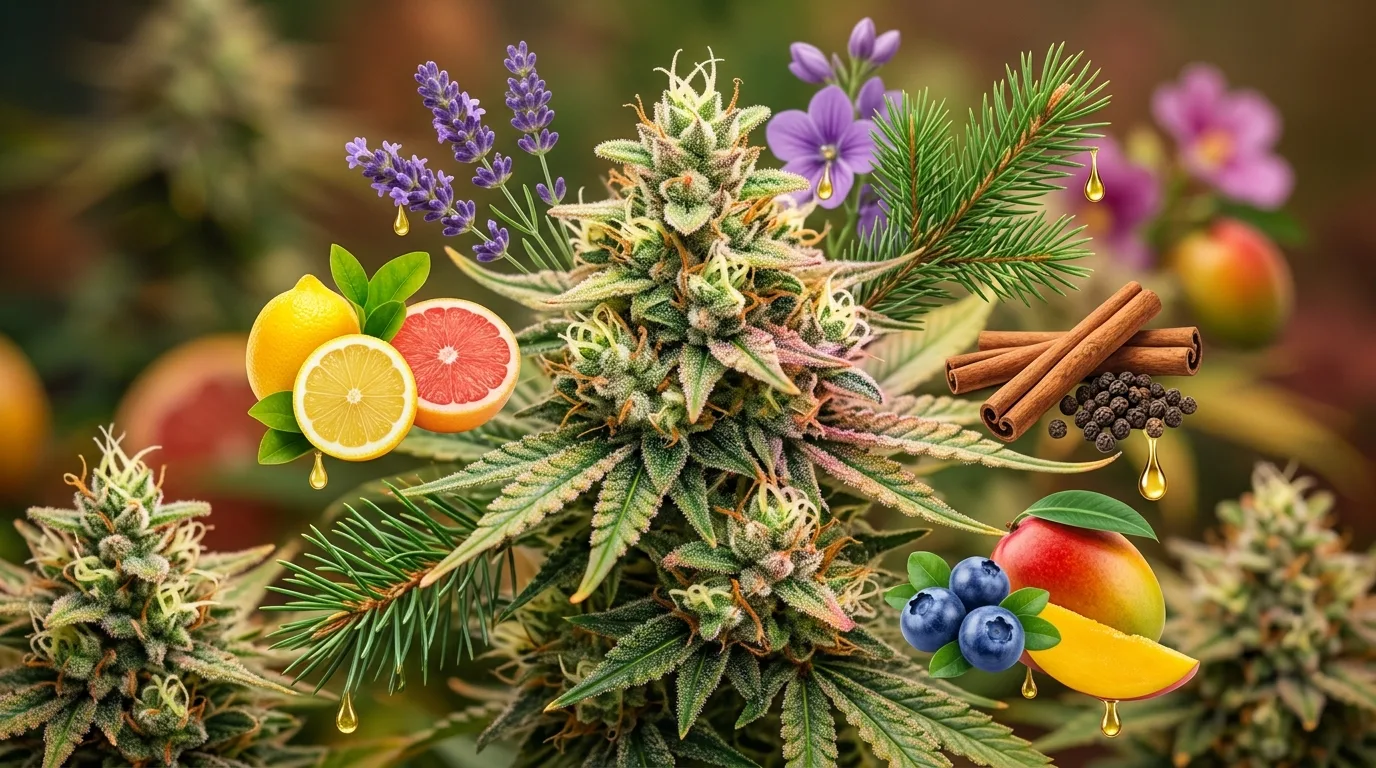
Cannabis flavours organize themselves into four distinct families: citrus and fruit, earth and wood, gas and diesel, and sweet and dessert. Every strain you encounter will lean heavily into one of these categories or blend two of them. These aren't arbitrary marketing terms but actual aromatic profiles created by specific combinations of terpenes in the plant.
The citrus family gives you bright, acidic, sometimes tropical notes. The earth family delivers forest floor, wood, and herbal characteristics. The gas family produces that sharp, fuel-like punch that experienced consumers either love or avoid entirely. The dessert family brings vanilla, cream, and baked-good sweetness. Each family attracts different consumers for different reasons, and your preference often stays consistent across sessions.
Why Flavour Matters Beyond Taste
The terpenes that create these flavours also influence your experience in ways that go beyond your palate. A limonene-heavy citrus strain doesn't just taste like lemon; that terpene contributes to the uplifting, energizing quality many consumers associate with certain terpene profiles. A myrcene-dominant earthy strain often pairs its soil-like aroma with a relaxing, sedative body effect.
This connection between flavour and effect means choosing by taste isn't superficial. It's actually one of the more reliable ways to predict whether a new strain will work for you, especially when you're exploring products from a grower you haven't tried before. The nose knows, as they say, and in cannabis consumption that old phrase carries real weight.
Citrus and Fruit: Bright, Clean and Energizing
The citrus and fruit family includes any cannabis that smells like it belongs in a produce section. Limonene drives most citrus profiles with its lemon-lime punch, while terpinolene adds tropical fruit complexity and valencene brings sweet orange notes. These strains typically smell bright, fresh, and slightly acidic. They cut through heavy smoke sessions like a palate cleanser.
Consumers who prefer this family often describe themselves as daytime smokers or people who want to stay functional. The flavour profile pairs well with morning coffee, outdoor activities, or creative work. It's the category that people who "don't really like the taste of weed" often find most accessible because these strains smell more like essential oils than traditional cannabis.
Signature Strains in the Citrus Family
Strains carrying heavy citrus profiles include anything with "Lemon" or "Tangie" in the name, plus classic genetics like Durban Poison and Jack Herer. Newer hybrids like Clementine, Mimosa, and Orange Creamsicle push the fruit aspect further into tropical territory. The sativa-leaning nature of many citrus strains isn't coincidental since the terpenes that create these flavours often appear in genetics selected for energizing effects.
When shopping by flavour, look for descriptors like "zesty," "tropical," "bright," or "tangy" in strain descriptions. On a physical menu, ask your budtender which strains are heavy in limonene. Most shops can pull up terpene profiles if they carry lab-tested products, and limonene percentages above 0.5% typically deliver a noticeable citrus character.
Terpene Breakdown: What Creates the Citrus Experience
Limonene appears in lemon rinds, orange peels, and pine needles. In cannabis, it contributes not just flavour but also potential mood-elevating properties that researchers continue to study. Terpinolene shows up in nutmeg, tea tree, and apples, adding that fruity-floral complexity that keeps citrus strains from smelling one-dimensional. Valencene, found in Valencia oranges, rounds out the profile with sweet citrus depth.
These terpenes are volatile, meaning they evaporate easily. Citrus strains lose their punch faster than other families when stored improperly. If you buy citrus-forward cannabis, pay extra attention to proper storage techniques to preserve those bright aromatics.
Earth and Wood: Classic Cannabis Character
The earth and wood family represents what most people think "weed" smells like before they've tried it. Myrcene, humulene, and pinene dominate this category, creating aromas that range from fresh soil to cedar planks to sage bundles. This family includes the most traditionally "skunky" strains, the ones that smell exactly like what your parents warned you about in high school.
Consumers drawn to earthy profiles often describe them as "authentic" or "old-school." These are the flavours that appear in landrace genetics and heritage strains that predate modern breeding trends. If you grew up in the 1990s or early 2000s and remember what cannabis smelled like before dispensaries existed, you're remembering this family.
Finding Earth-Forward Strains on the Menu
Look for Kush genetics, Afghan lineage, and OG varieties when seeking earthy flavours. Strains like Hindu Kush, Northern Lights, and any "OG" suffix typically deliver this profile reliably. The indica dominance common in earthy strains reflects their geographic origins since many traditional hashish-producing regions cultivated genetics that expressed these terpenes heavily.
Modern hybrids sometimes blend earth with other families, creating interesting combinations like earth-citrus or earth-gas. But if you want the pure forest-floor experience, stick with indica-leaning genetics from established breeders. On delivery menus, terms like "woody," "herbal," "spicy," or "pungent" signal earth-family membership.
Terpenes Behind the Earthy Experience
Myrcene appears in mangoes, lemongrass, and thyme, contributing the musky, clove-like base note in most earthy strains. It's the most common terpene in cannabis generally, but earth-family strains express it at higher concentrations. Humulene shows up in hops and coriander, adding the woody-spicy character. Pinene, which also appears in pine trees and rosemary, provides that forest-fresh top note.
This terpene combination often correlates with body-focused effects and sedative qualities. Many consumers reach for earth-family strains in the evening or when looking for physical relaxation. The effect profile pairs naturally with the grounding, centreing aroma.
Gas and Diesel: The Punch-You-In-The-Nose Category
The gas family is cannabis's Marmite: you either love it immediately or can't understand why anyone would choose it. Caryophyllene and specific combinations of other terpenes create that sharp, fuel-like aroma that smells more like a mechanic's garage than a garden. These strains announce themselves from across the room, and their flavour profile translates directly to the smoke with almost no loss between jar and joint.
Consumers who seek out gas strains often prioritize potency and intensity in both flavour and effect. This family includes some of the strongest-testing genetics available, though the correlation between gas aroma and THC percentage isn't absolute. What's consistent is that gas-family strains rarely deliver subtle experiences in any dimension.
Popular Gas-Forward Genetics
Chemdog and its descendants (including Sour Diesel, Stardawg, and numerous "Chem" crosses) define this category. Gorilla Glue genetics also lean heavily into gas territory. Modern breeding has pushed the diesel character further with strains like Jet Fuel, Motorbreath, and GMO (Garlic, Mushroom, Onion, which despite its name belongs firmly in the gas family).
On delivery menus, look for strains with "Diesel," "Chem," "Fuel," or "Gas" in their names. Descriptions mentioning "pungent," "sharp," "loud," or "funky" also signal gas-family membership. These strains typically carry higher price points because the flavour profile has developed a premium reputation among experienced consumers.
The Chemistry of Cannabis Fuel Aromas
Caryophyllene, found in black pepper and cloves, provides the spicy, sharp bite. But gas aromas come from complex interactions between multiple terpenes and other aromatic compounds in ratios that researchers still work to understand fully. The fuel smell isn't a single molecule but a bouquet of chemicals working together.
Gas strains maintain their character better than citrus families during storage and transport. The terpenes responsible for these aromas are less volatile, meaning that pungent punch stays stable longer. This durability contributes to their popularity in markets where cannabis travels long distances before reaching consumers.
Sweet and Dessert: The Candy Shop
The dessert family encompasses strains that smell like bakery counters, ice cream shops, and candy stores. Linalool brings floral sweetness, while various terpene combinations create specific dessert notes from vanilla to cookies to cream. This is cannabis's newest major flavour category, exploding in popularity over the past decade as breeders selected specifically for these sweet aromatic profiles.
Modern dessert strains like Wedding Cake, Gelato, and anything with "Cookies" genetics changed how a generation thinks about cannabis flavour. These profiles appeal strongly to consumers who traditionally didn't enjoy the taste of weed, opening the market to people who want their cannabis to taste more like treat than treatment.
Identifying Dessert Strains on the Menu
Strain names telegraph dessert genetics clearly: anything mentioning cake, cookies, cream, gelato, or candy typically delivers sweet flavours. The Girl Scout Cookies family tree includes dozens of dessert-forward crosses. Sherbet genetics, Zkittlez lines, and Wedding Cake descendants all trend sweet.
These strains often command premium prices because the genetics require more careful cultivation to express their sweetness fully. When shopping by flavour, look for descriptions using "creamy," "sweet," "vanilla," "caramel," or "fruity-sweet" rather than just "fruity" (which might indicate citrus family instead).
Terpenes and Sweetness in Cannabis
Linalool, which appears in lavender and many flowers, contributes the floral-sweet foundation. But dessert strains achieve their specific confection notes through terpene ratios more than any single compound. A strain that smells like vanilla ice cream isn't expressing a "vanilla terpene" but rather a specific combination of linalool, caryophyllene, and other molecules in proportions that our brains interpret as vanilla-like.
The dessert category also intersects with other families more than the previous three. You'll find earth-dessert hybrids (like Chocolate strains), gas-dessert combinations (like GMO Cookies), and citrus-dessert blends (like Creamsicle genetics). This flexibility makes the dessert family the most experimental territory in current cannabis breeding.
How to Use Flavour Profiles for Better Purchases
Once you've identified your preferred flavour family, use it as your primary navigation tool when exploring new products. Instead of getting lost in strain names or trying to decode indica-versus-sativa distinctions that increasingly blur in modern hybrids, start by asking which family a product belongs to. Most budtenders can answer that question immediately even if they can't speak in detail about every strain's lineage.
When trying a new delivery service or visiting a new shop, buy one strain from your preferred family as a baseline and one from a category you're curious about. This approach gives you a reference point while expanding your palate. Over time, you'll develop preferences not just for families but for specific expressions within them such as preferring tropical citrus to lemon citrus, or liking earth-gas combinations more than pure earth.
Tracking Your Preferences
Keep notes about which strains you enjoy, and when you find a winner, check its terpene profile if available. Look for patterns in the terpenes present at highest concentrations. You might discover you consistently enjoy anything with high limonene, or that you avoid strains where myrcene dominates. These patterns help you make better predictions about untried products.
Most online delivery services display terpene information when you click into individual product pages. If you're shopping in person, ask if the shop provides lab results or terpene breakdowns. Shops focused on premium cannabis products increasingly include this information as standard because educated consumers demand it.
Flavour Across Product Categories
These four families apply beyond flower. Concentrates, vapes, and even some edibles express similar flavour profiles. A citrus-family strain will produce a limonene-rich concentrate that maintains those bright notes. A gas-family flower makes a pungent live resin. Understanding flavour families helps you navigate concentrate menus just as effectively as flower selections.
Edibles present a special case since cooking and processing can alter or mask cannabis flavours. But infused products made with full-spectrum extracts or strain-specific distillates increasingly preserve terpene profiles. When choosing between different edible formats, consider whether you want the cannabis flavour present or hidden.
Regional and Grower Variations in Flavour Expression
The same strain grown by different cultivators will express flavour variations based on growing conditions, harvest timing, and curing methods. A Sour Diesel from one grower might lean more citrus while another producer's batch emphasizes the gas. This variation isn't a quality problem but a natural result of cannabis being an agricultural product influenced by terroir and technique.
Canadian consumers benefit from a legal market where growers increasingly document their processes. Craft producers often provide details about their growing methods, which helps explain why their version of a strain might taste different from a mass-market equivalent. Indoor versus outdoor cultivation, organic versus synthetic nutrients, and wet versus dry trimming all influence final flavour expression.
Seasonal Flavour Availability
Some flavour profiles become more or less available depending on growing seasons and regional cultivation patterns. Outdoor-grown cannabis, harvested in fall, might emphasize earth and wood families as plants mature in cooler temperatures. Indoor operations can dial in specific flavour profiles year-round by controlling environmental conditions, but even they rotate genetics based on what's currently popular or what grows efficiently in their systems.
Following growers on social media or checking regularly with your preferred delivery service helps you catch limited drops of specific flavour profiles. Many premium small-batch products appear only briefly before selling out, especially in the dessert and gas categories where demand consistently exceeds supply.
Find Your Flavour Profile
Browse our curated selection of strains organized by flavour family. Same-day delivery across Toronto and mail order Canada-wide.
Shop By FlavourBeyond the Big Four: Hybrid and Unique Profiles
Not every strain fits neatly into one family. Modern breeding has created combinations that blur category lines intentionally. Strains like Mimosa (citrus-dessert), GMO Cookies (gas-dessert), or Chocolope (earth-citrus) demonstrate how breeders layer flavour families to create complex profiles. These hybrids appeal to consumers who want more nuanced aromatic experiences.
Then there are the genuinely unusual profiles that don't fit the four-family model at all. Strains expressing heavy amounts of specific rare terpenes can smell like cheese (Cheese strains), grapes (Purple strains rich in anthocyanins), or even meat (some Meatbreath crosses). These oddities attract collectors and adventurous consumers willing to experiment outside established categories.
Developing Your Palate Over Time
New cannabis consumers often start with dessert or citrus families because they're the most approachable. With experience, many people develop appreciation for earth and gas profiles they initially found off-putting. This progression mirrors how people develop taste for coffee, wine, or other complex flavour experiences. What seemed harsh or overwhelming at first becomes nuanced and interesting with familiarity.
Don't force yourself to like profiles that don't appeal to you, but do consider revisiting rejected families after a few months of regular consumption. Your palate changes as you become more attuned to cannabis flavours generally, and strains you dismissed initially might surprise you on second attempt.
Terpenes that create flavours also influence effects, so yes, there's correlation. Citrus strains with high limonene often feel uplifting, while earthy myrcene-heavy strains typically feel more sedative. However, cannabinoid content matters too, so flavour is a guide rather than a guarantee.
Absolutely. Terpenes carry through combustion and vapourization, though vaping at lower temperatures preserves more terpene flavour than smoking at higher temperatures. The taste you experience when inhaling directly reflects the terpene profile of that strain.
Growing conditions, harvest timing, curing methods, and storage all affect terpene preservation and expression. Cannabis is an agricultural product with natural variation. Two growers cultivating identical genetics will produce slightly different flavour profiles based on their techniques.
Live resin and full-spectrum concentrates preserve terpene profiles well, often intensifying flavours because you're consuming a concentrated version. However, some extraction methods strip terpenes, creating neutral-flavoured products that manufacturers sometimes re-introduce terpenes into afterward.
Strength isn't determined by flavour family. Gas strains have a reputation for potency, but you'll find high-THC examples in every category. The perception that gas strains are stronger comes partly from their intense flavour making the experience feel more powerful.
All cannabis benefits from cool, dark, airtight storage. However, citrus and dessert families lose their volatile terpenes faster than earth and gas families, so they require more careful storage. Use glass jars with good seals and consider humidity packs to maintain optimal conditions.
Conclusion: Navigating Menus with Confidence
Understanding weed flavour profiles transforms how you shop for cannabis. Instead of choosing randomly based on strain names or pretty package designs, you can navigate any menu by identifying which of the four major families each product belongs to. Whether you're drawn to bright citrus, classic earth, pungent gas, or sweet dessert profiles, knowing your preference gives you a reliable framework for finding products you'll actually enjoy.
The terpenes behind these flavours do more than please your palate. They work alongside cannabinoids to shape your overall experience, making flavour selection a legitimate way to guide your cannabis choices. As you explore different strains and products, pay attention to which profiles consistently work for you. That pattern becomes your personal map through the expanding landscape of available cannabis products in Canada.
Start your next shopping session by asking a simple question: which flavour family am I in the mood for today? That single question will lead you to better purchases than any amount of time spent decoding confusing strain names or trying to remember which distant cousin of which famous genetics you liked last month. Cannabis culture is finally catching up to what wine enthusiasts figured out centuries ago: flavour is function, and knowing what you like is the first step toward getting it consistently.