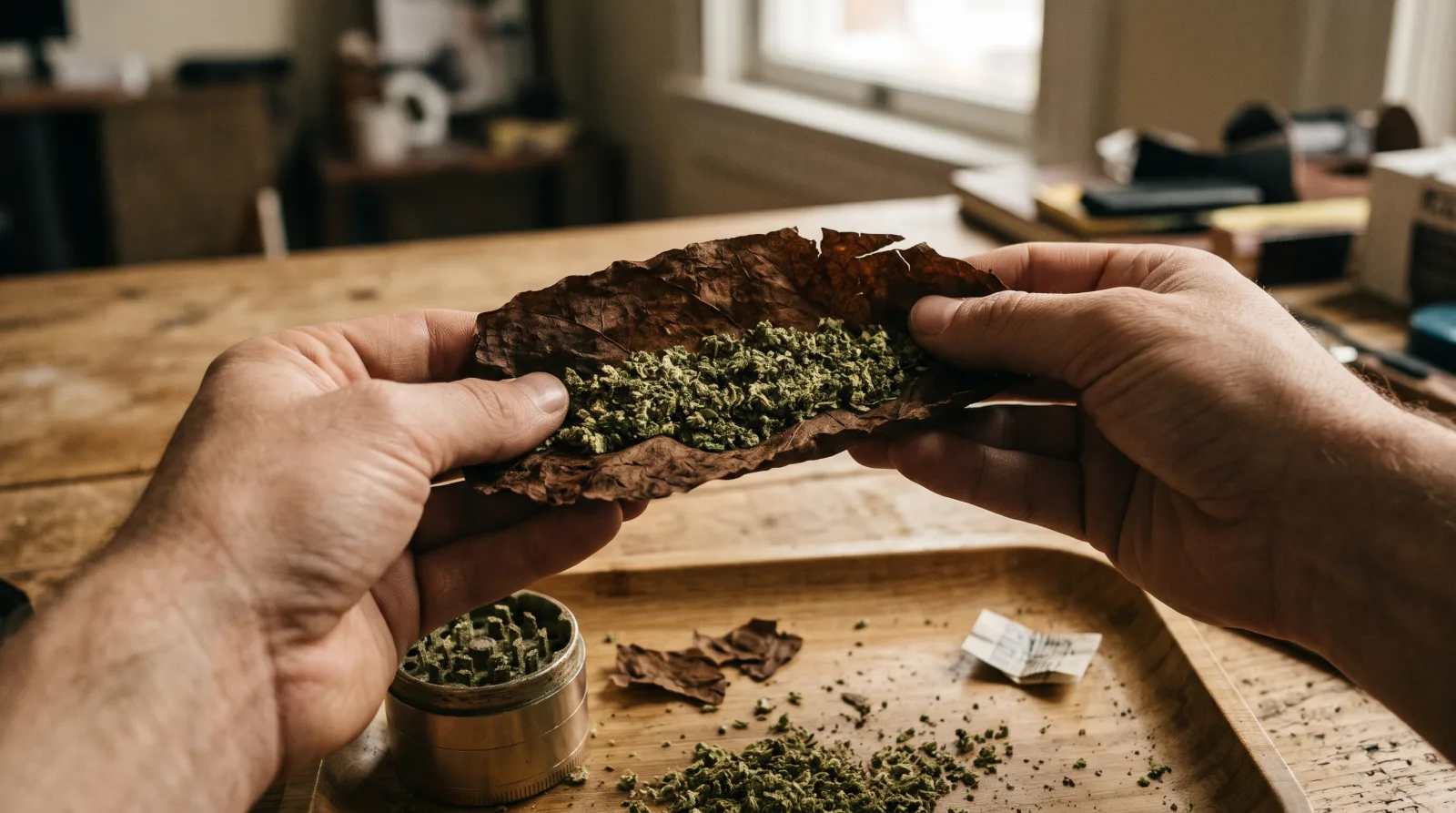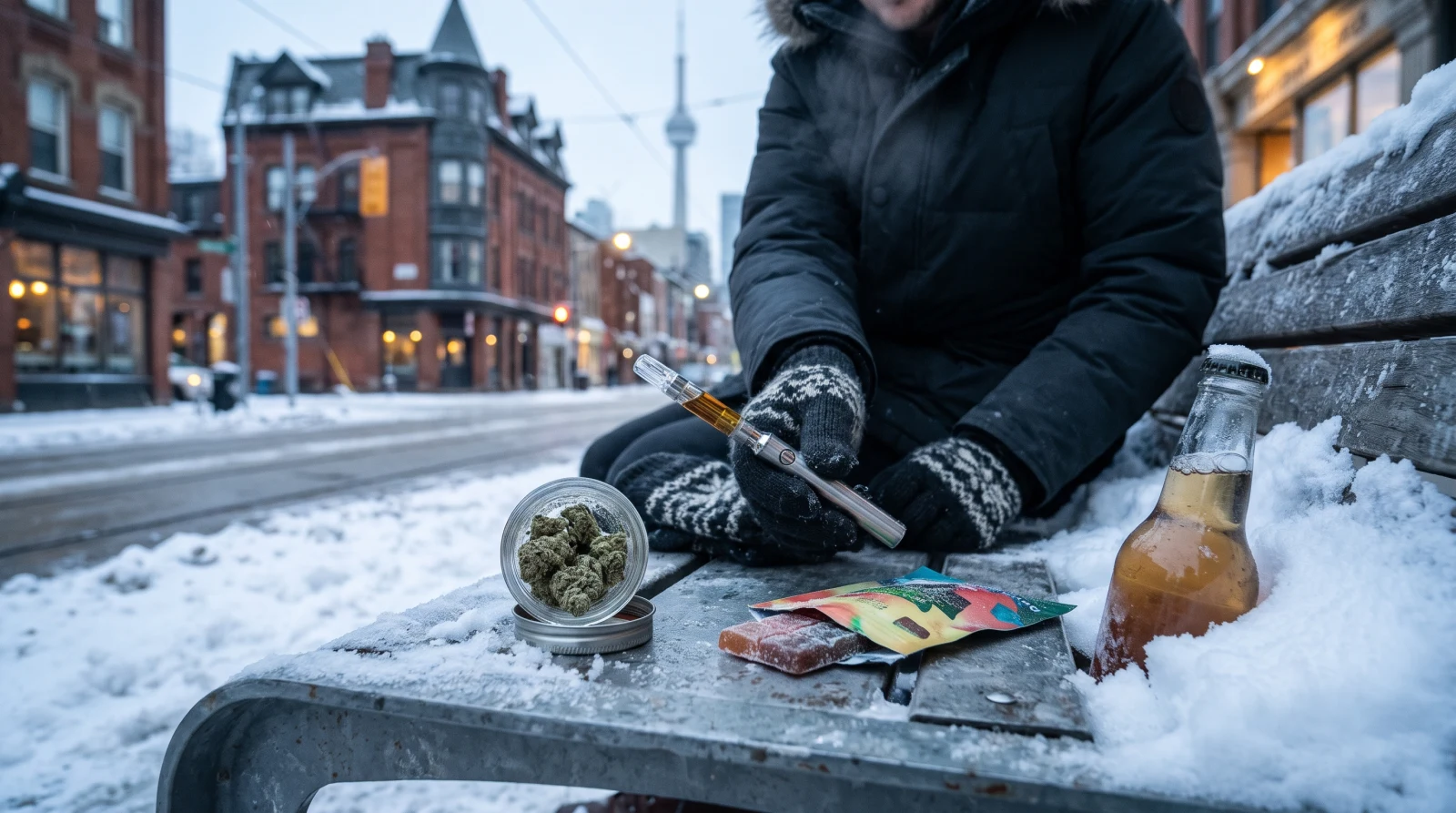

You've probably noticed that cannabis prices in Toronto can vary wildly. Walk into one dispensary and a gram might cost $8. Check another and it's $15 for the same strain. Browse online and you'll find everything from suspiciously cheap ounces to premium products that cost more than fine wine. If you're searching for cheap weed in Toronto, you're not alone. Thousands of Torontonians are looking for quality cannabis at reasonable prices, especially as the cost of living continues to climb across the GTA.
Here's the reality: cheap doesn't have to mean low-quality, and expensive doesn't guarantee premium product. This guide will show you exactly how to find affordable cannabis in Toronto without compromising on safety, potency, or experience. Whether you're a medical user managing a tight budget or a recreational consumer who simply refuses to overpay, understanding the Toronto cannabis market will save you hundreds of dollars every year.
Understanding Toronto's Cannabis Pricing Landscape
The Toronto cannabis market operates on multiple levels, each with distinct pricing structures. Legal provincial retailers typically charge premium prices due to regulatory overhead, retail rent in expensive neighbourhoods, and government taxation. A typical eighth (3.5 grams) at the Ontario Cannabis Store or authorized retail locations ranges from $25 to $45, with premium craft strains pushing $50 or higher.
Mail-order cannabis services operate differently. Without physical storefronts in high-rent districts, these operations pass savings directly to customers. Bulk purchasing from licenced producers, streamlined operations, and competitive online markets create downward pricing pressure. The same quality flower that costs $40 at a brick-and-mortar store might run $25 through a reputable delivery service.
Price variations also reflect product quality tiers. Budget strains ($99-$120 per ounce) often come from older harvests or less popular cultivars but remain perfectly suitable for regular consumption. Mid-tier options ($140-$180 per ounce) balance quality and affordability with fresher batches and better trim. Premium selections ($200+ per ounce) feature top-shelf genetics, meticulous curing, and higher THC percentages.
Seasonal Price Fluctuations in the Toronto Market
Cannabis prices in Toronto follow predictable seasonal patterns. Outdoor harvest season from September through November typically brings lower prices as supply increases. Indoor cultivation maintains more consistent pricing year-round, but even indoor operations occasionally discount older inventory to make room for fresh batches. Savvy consumers stock up during these periods, purchasing larger quantities when prices dip.
Holiday periods present mixed pricing dynamics. April (4/20 celebrations) and October (harvest season) often feature promotional pricing and special deals. Conversely, December through February can see slight price increases as demand rises during colder months and some consumers turn to cannabis for seasonal stress relief.
Where to Find Legitimately Affordable Cannabis in Toronto
Toronto offers several legitimate channels for affordable cannabis, each with distinct advantages. Understanding these options helps you maximize value while maintaining product safety and legal compliance. The key is knowing where to look and what to prioritize based on your specific needs.
Licenced online delivery services dominate the affordable cannabis space in Toronto. These operations source directly from producers, eliminating retail markup. Most offer tiered pricing with significant discounts on bulk purchases. A single gram might cost $10, but an ounce of the same strain drops the per-gram price to $4 or $5. For regular consumers, buying larger quantities dramatically reduces long-term costs.
Mail-order marijuana services provide another avenue for savings. These Canada-wide operations ship directly to Toronto addresses, often with even lower overhead than local delivery services. Products arrive discreetly packaged within days, and many services offer first-time customer discounts or loyalty programs. The mail order process has become increasingly streamlined, making it as convenient as ordering any other product online.
Bulk Buying Strategies That Actually Save Money
Purchasing in bulk represents the single most effective strategy for reducing cannabis costs. The math is straightforward: buying an ounce instead of eight individual eighths typically saves 30-50% on the total price. If you consume regularly and have found strains you enjoy, bulk buying makes financial sense.
Consider these practical bulk buying approaches. First, split larger purchases with trusted friends. Four people splitting a quarter-pound (4 ounces) each pay far less per gram than buying individually. Second, rotate between two or three strains when buying in bulk to avoid monotony. Third, invest in proper storage. Mason jars with humidity packs keep cannabis fresh for months, protecting your bulk investment from degradation.
Popular Toronto delivery services frequently offer bulk deals specifically designed for budget-conscious consumers. Multi-ounce packages, mix-and-match options, and tiered pricing structures all create opportunities for significant savings without sacrificing quality.
Quality Indicators: Spotting Good Cheap Weed vs. Garbage
Cheap cannabis doesn't automatically mean inferior product, but knowing quality indicators protects you from genuinely poor purchases. Visual inspection provides the first layer of assessment. Quality budget strains still display vibrant colours, whether deep greens, purples, or frosty trichome coverage. Avoid cannabis that looks brown, excessively dry, or contains visible mold, seeds, or excessive stems.
Aroma offers crucial quality information. Fresh cannabis should smell pungent and distinct, even in budget tiers. Common terpene profiles include pine, citrus, diesel, or earthy notes. Hay-like or musty odours suggest old or improperly cured product. Lack of smell entirely often indicates either very old cannabis or product that wasn't properly dried and cured.
Texture and moisture content reveal storage and handling quality. Properly cured cannabis feels slightly sticky and springs back when gently squeezed. Overly dry weed crumbles to dust and burns too quickly. Conversely, too-moist cannabis indicates improper curing and potential mold issues. Budget strains should still maintain appropriate moisture levels.
THC Percentages and the Price-Potency Equation
THC percentage influences pricing but shouldn't be your only consideration. Ultra-high THC strains (25%+) command premium prices, but many consumers find 15-20% THC perfectly adequate for desired effects. Terpene profiles, overall cannabinoid balance, and personal tolerance matter as much as raw THC numbers.
Budget strains typically fall in the 15-18% THC range. This potency level remains effective for most users while keeping costs down. Paying extra for 28% THC only makes sense if you have specific tolerance requirements or medical needs. For many Toronto consumers, mid-potency strains at lower prices represent the sweet spot of value and effectiveness.
Products like budget-friendly indica strains provide excellent value without compromising on the essential qualities consumers seek. Understanding your minimum effective dose helps you avoid overpaying for unnecessarily high THC percentages.
Alternative Products That Stretch Your Cannabis Budget
Flower isn't your only option for affordable cannabis consumption. Toronto's market offers several alternative products that can significantly reduce per-dose costs while delivering consistent effects. Understanding these options opens new possibilities for budget-conscious consumers.
Concentrates and extracts often provide better value than flower despite higher upfront costs. A gram of quality shatter costs $20-$30 but contains 70-90% THC compared to flower's 15-20%. Measured by potency, concentrates deliver more cannabinoids per dollar. Users need less product per session, making a single gram last much longer than the equivalent value in flower.
Edibles present another cost-effective consumption method. High-potency edibles like Buddha Boys Gummies deliver measured doses at predictable prices. A package containing 1000mg THC might cost $25, providing 40-50 doses for moderate users. Compare this to achieving the same number of sessions with flower, and edibles often win on pure cost-per-dose calculations.
Vape cartridges offer middle-ground value. While cartridges themselves aren't the cheapest option, they provide precise dosing, minimal waste, and convenient portability. Multi-gram cartridges improve the value equation. Products like

6g THC Vapes
Shop 6g THC Vapes, a cannabis vape, through Uper Weed’s Canadian online cannabis disp...
demonstrate how larger-format vape products can reduce long-term costs for regular users.
Making Your Own Edibles and Tinctures
Creating homemade cannabis products from budget flower maximizes value. Making cannabutter or cannabis-infused oil from affordable trim or shake costs a fraction of purchasing commercial edibles. A $40 ounce of shake can produce enough infused oil for dozens of potent edibles, dramatically reducing per-dose costs.
Tincture production follows similar economics. Decarboxylated cannabis steeped in high-proof alcohol creates potent, shelf-stable medicine. The initial investment in materials pays for itself within a few batches. For medical users requiring consistent daily doses, homemade tinctures can reduce monthly cannabis expenses by 60-70% compared to purchasing commercial products.
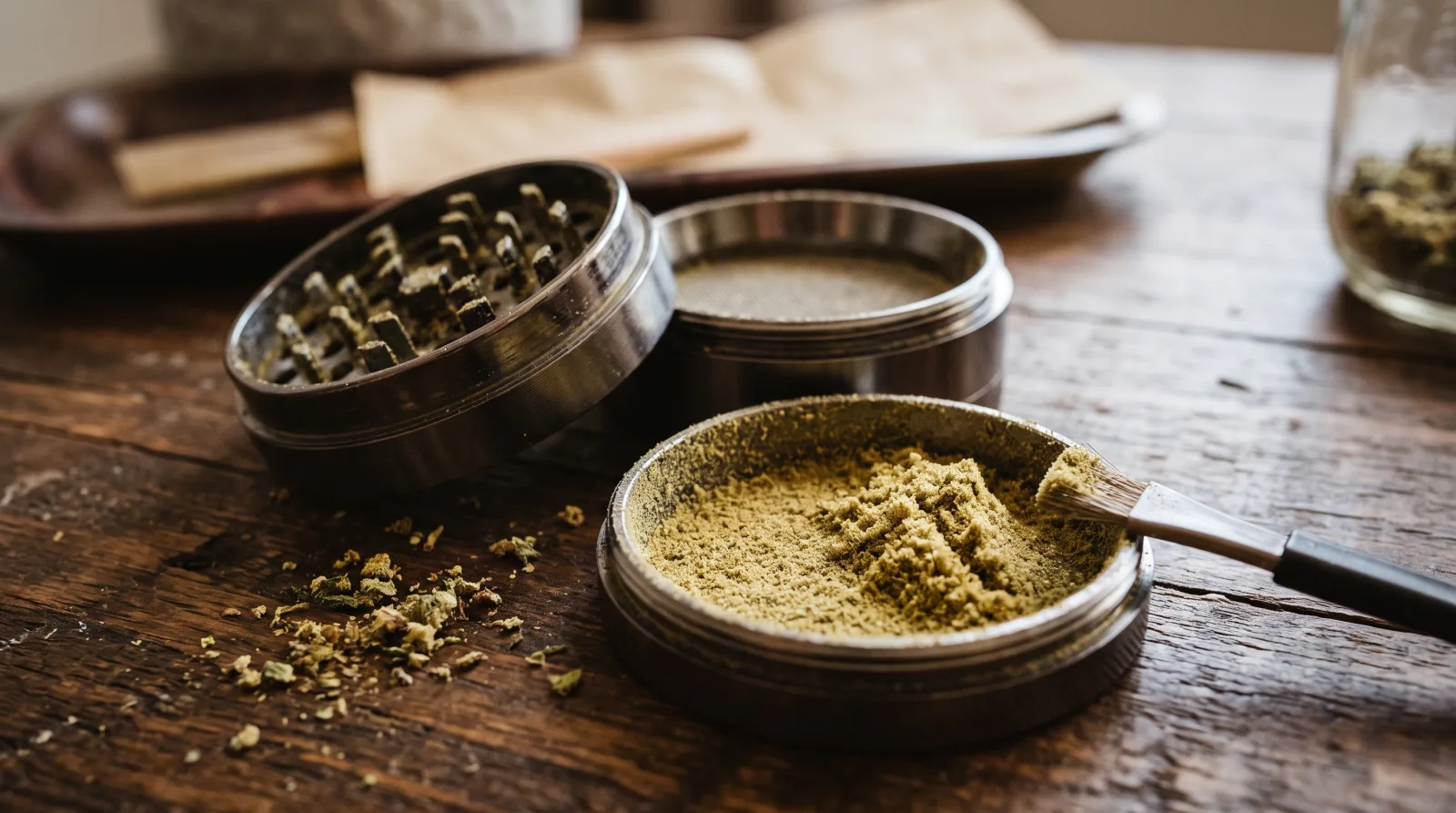
Hash production from kief offers another DIY value strategy. Collecting kief in grinder chambers over time provides free concentrate. Pressing this kief into hash creates potent product from material that otherwise goes unused. Even consumers purchasing budget flower can harvest significant kief quantities over several months.
Loyalty Programs, Sales, and Timing Your Purchases
Strategic purchasing timing can reduce cannabis costs by 20-40% annually. Toronto delivery services and mail-order operations regularly run promotions, but knowing when and how to capitalize on these deals separates smart shoppers from those who overpay. Developing a strategic purchasing calendar maximizes savings without requiring extreme couponing efforts.
Most reputable services operate loyalty or rewards programs. These programs typically offer points on purchases, redeemable for discounts on future orders. Accumulating points through regular purchases eventually generates significant savings. Some services offer tiered membership levels where higher-volume purchasers receive permanent discounts on all orders.
Email newsletter subscriptions provide advance notice of flash sales and exclusive discounts. Services frequently send subscriber-only discount codes worth 10-25% off. Creating a dedicated email address for cannabis service newsletters prevents inbox clutter while ensuring you never miss valuable promotions.
Major Sale Periods and How to Prepare
Certain dates consistently feature better deals across the Toronto cannabis market. April 20th (4/20) brings industry-wide sales with some of the year's deepest discounts. October harvest season sales help retailers move inventory before fresh crops arrive. Black Friday and Cyber Monday increasingly include cannabis deals as the industry matures.
Preparing for major sales maximizes savings. Research products you want in advance rather than impulse-buying during sales. Set budgets and purchase limits to avoid overspending just because deals seem attractive. Check that discounted products actually represent good value by comparing regular prices across multiple services.
Understanding how delivery services operate helps you plan purchases around promotional periods. Some services offer free delivery on orders over certain amounts during sales, further improving value. Combining bulk purchase discounts with promotional pricing creates compound savings.
Red Flags: Avoiding Scams and Dangerous Products
The affordable cannabis market includes both legitimate value providers and dangerous operations selling contaminated or misrepresented products. Protecting yourself requires understanding warning signs that separate trustworthy services from scams or health hazards. Price consciousness shouldn't compromise safety.
Suspiciously low prices represent the most obvious red flag. If an ounce costs $60 when competitors charge $100-$120 for budget options, question why. Dramatically underpriced cannabis often indicates pesticide-contaminated product, mold issues, or outright scams where you pay but never receive anything.
Lack of transparency about sourcing and testing should concern you. Legitimate services provide information about their products' origins, cultivation methods, and ideally testing results. Services that can't or won't answer basic questions about their product sourcing likely cut corners in ways that compromise quality or safety.
Payment method restrictions can signal problems. Services demanding only cryptocurrency, wire transfers, or other non-reversible payment methods may be scams. While e-transfer remains common for cannabis transactions, having no customer service recourse if orders go wrong suggests an operation that doesn't stand behind its products.
Verifying Service Legitimacy Before Your First Order
Research protects you from problematic services. Search for reviews on independent forums and review sites, not just testimonials on the service's website. Look for detailed reviews mentioning specific products and experiences rather than generic praise. Active social media presence with customer interaction suggests legitimate operations.
Start with small test orders when trying new services. Order a small quantity of a single product to evaluate quality, shipping speed, and customer service before committing to larger purchases. This approach limits potential losses if a service proves unsatisfactory while still allowing you to discover good value sources.
Verify that services offer clear policies on refunds and order issues. Legitimate operations stand behind their products with reasonable return or replacement policies. Services that refuse to address quality concerns or shipping problems should be avoided regardless of their prices.
Building a Budget Cannabis Rotation
Developing a strategic rotation of affordable strains and products prevents tolerance buildup while maintaining budget discipline. This approach combines variety with cost-consciousness, creating sustainable long-term consumption patterns that don't strain finances or reduce effectiveness.
The core strategy involves maintaining two or three budget-friendly strains in regular rotation. Alternating between an indica, sativa, and hybrid prevents your system from adapting too completely to any single cannabinoid profile. This rotation preserves effectiveness while taking advantage of competitive pricing on different product lines.
Practical implementation requires planning purchases around your consumption rate. If you consume an eighth per week, buying three different budget ounces every three months costs less than making weekly smaller purchases. This bulk approach captures volume discounts while providing the variety needed to maintain effectiveness.
Consider mixing budget flower with occasional premium purchases. Maintaining mostly affordable strains while treating yourself to higher-end products periodically creates budget balance. This 80/20 approach (80% budget strains, 20% premium) satisfies the desire for variety and special occasions without destroying your cannabis budget.
Sample Budget-Friendly Monthly Rotation
A practical monthly rotation might include one ounce of budget indica for evening use ($100-120), one ounce of affordable sativa for daytime consumption ($100-120), and a small quantity of concentrate or edibles for variety ($30-40). This $230-280 monthly spend provides daily consumption with built-in variety at far lower costs than premium-only purchasing or frequent small orders.
Bulk deals like the 3-ounce packages some services offer further improve this rotation model. These deals typically reduce per-ounce costs by $20-30, saving $60-90 per quarter for consumers who plan ahead and store properly.
Track your consumption patterns to refine your rotation. Most people discover they prefer certain strains for specific activities or times of day. Identifying these preferences lets you purchase larger quantities of favoured strains during sales, locking in good prices on products you know you'll use.
The True Cost of Cheap Cannabis
Understanding total cost of ownership extends beyond sticker price. Cheap cannabis that causes headaches, provides weak effects, or burns poorly actually costs more per effective session than moderately priced quality product. Calculating real value requires considering multiple factors beyond price per gram.
Efficiency matters significantly in cost calculations. High-quality cannabis typically burns cleaner and more completely, wasting less product. Budget strains with poor curing or excess stems mean you're paying for material you can't effectively consume. A $100 ounce with 30% waste (stems, seeds, poor burn) costs effectively the same as a $140 ounce with minimal waste.
Health considerations represent another hidden cost factor. Contaminated or pesticide-laden cheap cannabis might save money initially but potentially creates medical expenses later. Reputable budget options from licenced producers undergo testing and quality control. The small premium over truly bottom-barrel cannabis buys peace of mind about product safety.
Tolerance development from inconsistent or weak product increases long-term costs. Low-quality cannabis often delivers unpredictable effects, leading users to consume more to achieve desired results. Consistent, properly labelled products help maintain stable consumption patterns, actually reducing waste and costs over time.
Legal Considerations and Tax Implications
Understanding Ontario's legal cannabis framework helps you make informed purchasing decisions while staying compliant. Legal considerations affect both product safety and financial planning for regular cannabis consumers in Toronto.
Licenced cannabis sellers collect and remit appropriate provincial and federal taxes. These taxes add to purchase prices but ensure product safety through regulatory oversight. The legal landscape in Ontario continues evolving, but purchasing from licenced operations guarantees you're not unknowingly supporting illegal markets.
Medical cannabis users may be eligible for tax deductions on cannabis expenses if they have proper documentation from healthcare providers. This option can offset costs for legitimate medical users, effectively reducing the real price of cannabis purchases. Keeping detailed records of medical cannabis purchases supports potential tax benefit claims.
Privacy protection matters for many consumers. Reputable services maintain strict customer data protection, while questionable operations might sell customer information. Understanding service privacy policies protects both your personal information and your cannabis purchasing history from unwanted disclosure.
Find Quality Cannabis at Honest Prices
Browse our selection of budget-friendly strains and bulk deals. All products tested for quality and delivered discreetly across Toronto.
View Current DealsFrequently Asked Questions About Cheap Weed in Toronto
Budget ounces typically range from $99-$140 depending on quality tier and purchase volume. Single grams from budget strains run $6-$8, while eighths cost $20-$28. Prices significantly below this range warrant caution about product quality or legitimacy.
Not necessarily. Price reflects multiple factors including age of harvest, popularity of strain, and seller overhead costs. Many budget strains provide 15-18% THC with proper curing and freshness. Quality depends more on the seller's standards than the price point alone.
Check for proper curing (slight moisture, distinct aroma), absence of mold or seeds, and vibrant colour. Buy from services that provide sourcing information and testing details. Start with small orders to verify quality before committing to bulk purchases.
Generally no. Bulk discounts benefit regular consumers who will use the product within 3-6 months. Occasional users should buy smaller quantities more frequently to ensure freshness, even if per-gram costs are slightly higher.
September through November during outdoor harvest season typically offers the lowest prices. April 20th sales and October promotions also provide good value. Winter months sometimes see slight price increases due to higher demand.
Ontario law allows gifting up to 30 grams to adults, but selling or distributing cannabis without a licence remains illegal. Splitting bulk orders requires careful attention to legal limits and should only involve trusted individuals who are of legal age.
Making Smart Choices in Toronto's Cannabis Market
Finding cheap weed in Toronto that actually delivers quality and value requires informed decision-making rather than simply chasing the lowest price. The strategies outlined above - bulk purchasing, strategic timing, product diversification, and careful service selection - combine to create sustainable savings without compromising safety or effectiveness.
Remember that the cheapest option rarely represents the best value. Focus instead on cost per effective dose, factoring in potency, quality, and your personal consumption patterns. Building relationships with reputable services, planning purchases around promotional periods, and buying appropriate quantities for your usage rate all contribute to long-term savings that dwarf simple penny-pinching on individual purchases.
Toronto's cannabis market offers legitimate opportunities for budget-conscious consumers willing to research options and plan strategically. Whether you're managing medical expenses or simply refuse to overpay for recreational use, the combination of competitive online markets, bulk purchasing options, and seasonal sales creates a landscape where informed consumers consistently access quality cannabis at fair prices. Take time to understand your needs, research your options, and build purchasing habits that align with both your budget and your standards for quality.