You've steeped cannabis tea for fifteen minutes, sipped a warm cup, and waited. Thirty minutes pass. Nothing. An hour goes by. Still nothing. You wonder if you did something wrong, if the flower was too old, or if THC tea is simply a myth cooked up by wellness bloggers who never actually tried it.
Here's the truth: THC tea can absolutely work, but not the way regular tea works. The compound that gets you high, THC, is fat-soluble, not water-soluble. That means cannabis won't release its active compounds into plain hot water any more than olive oil will dissolve in your Earl Grey. To make THC tea work, you need to understand three core principles: heat activation (decarboxylation), fat as a carrier medium, and adequate steeping time. This guide walks through the science and the practical steps that turn a mug of disappointing green water into an effective, slow-onset edible experience.
Why Most THC Tea Recipes Fail: The Fat-Solubility Problem
Cannabis contains cannabinoids locked inside trichomes on the flower's surface. These cannabinoids, primarily THC and CBD, are lipophilic, meaning they bind to fats and oils but repel water. When you drop ground cannabis into boiling water and steep it like chamomile, you're asking a hydrophobic molecule to dissolve in a hydrophilic liquid. It won't happen.
Even if you've properly decarboxylated your cannabis to activate the THC, the compounds remain trapped in the plant material unless you introduce a fat source. Plain water tea might carry some aroma compounds and trace cannabinoids, but the bulk of the THC will stay in the soggy flower you strain out and throw away.
This is why traditional cannabis tea recipes from cultures that actually use the plant medicinally almost always include milk, ghee, butter, or coconut oil. The fat acts as a solvent, pulling cannabinoids out of the plant and suspending them in the liquid. Without fat, you're essentially making expensive, slightly earthy hot water.
What Happens When You Add Fat to the Equation
When you introduce whole milk, cream, coconut milk, or a teaspoon of butter to your brewing vessel, the milk fat molecules latch onto the cannabinoids during the steep. The longer the fat and cannabis share space in hot water, the more THC transfers from plant matter into the liquid. This is the same principle behind making cannabutter, just scaled down and sped up for a single-serving beverage.
The minimum fat content that works reliably is around 3.25% (whole milk). Two-percent milk will pull some cannabinoids but less efficiently. Skim milk barely works at all. Heavy cream, half-and-half, or full-fat coconut milk work best. If you're lactose-intolerant or vegan, look for plant milks labelled "barista blend" or "creamy" rather than low-fat versions marketed for cereal.
The Decarboxylation Step You Cannot Skip
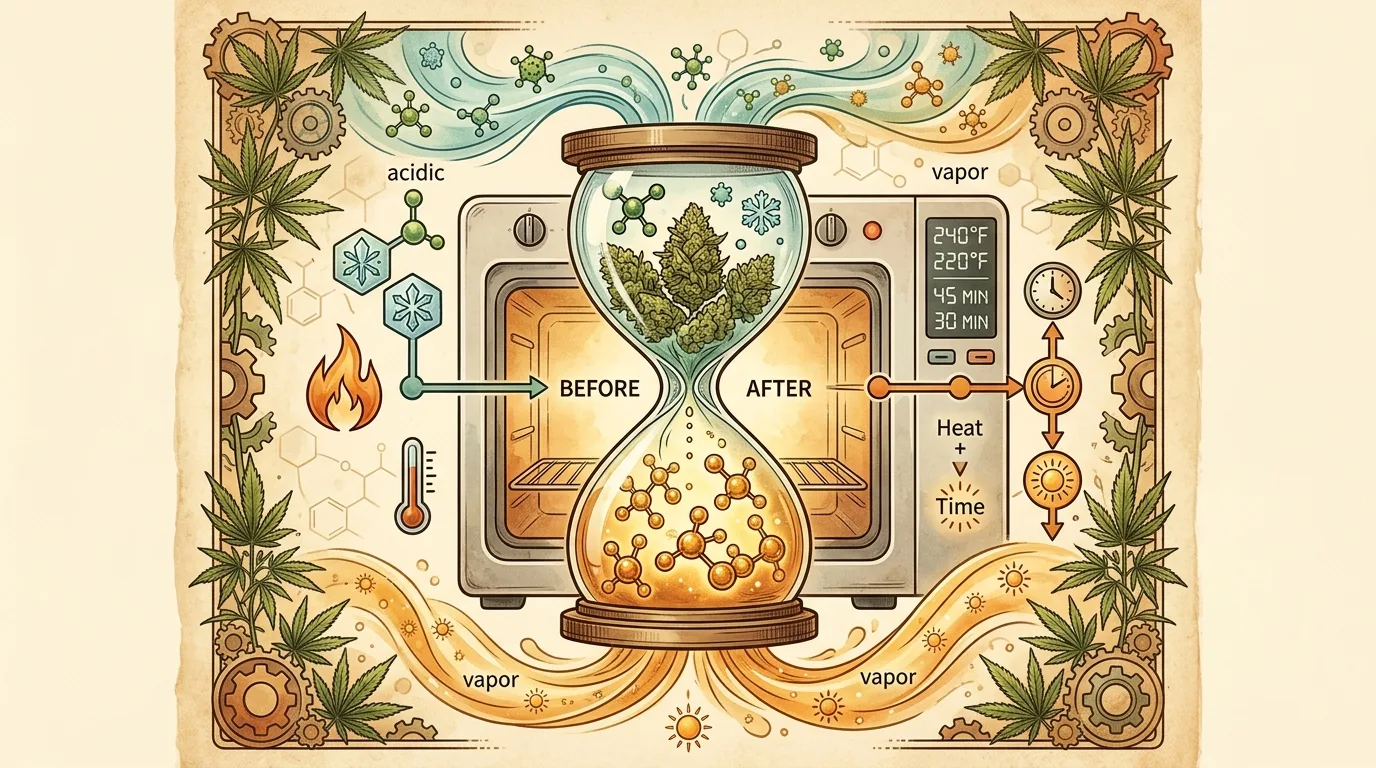
Raw cannabis flower contains THCa, the acidic precursor to THC. THCa is non-intoxicating. To convert THCa into active THC, you must heat the cannabis at a sustained temperature for a specific duration. This process is called decarboxylation, and it happens automatically when you smoke or vapourize flower because combustion and vapourization both exceed the necessary heat threshold.
But steeping tea rarely reaches temperatures high enough for long enough to fully decarboxylate cannabis. Boiling water sits at 100°C (212°F), and the moment you pour it into a mug or teapot, it starts cooling. Decarboxylation happens most efficiently between 105°C and 120°C (220°F to 250°F) over 30 to 45 minutes. A ten-minute tea steep won't complete the job.
That means you need to decarboxylate your cannabis before you brew. The oven method is the most accessible: grind your flower coarsely, spread it on a parchment-lined baking sheet, and bake at 115°C (240°F) for 40 minutes. The flower will turn golden-brown and smell toasted, almost nutty. Once cooled, it's ready to steep.
Can You Decarb and Steep Simultaneously?
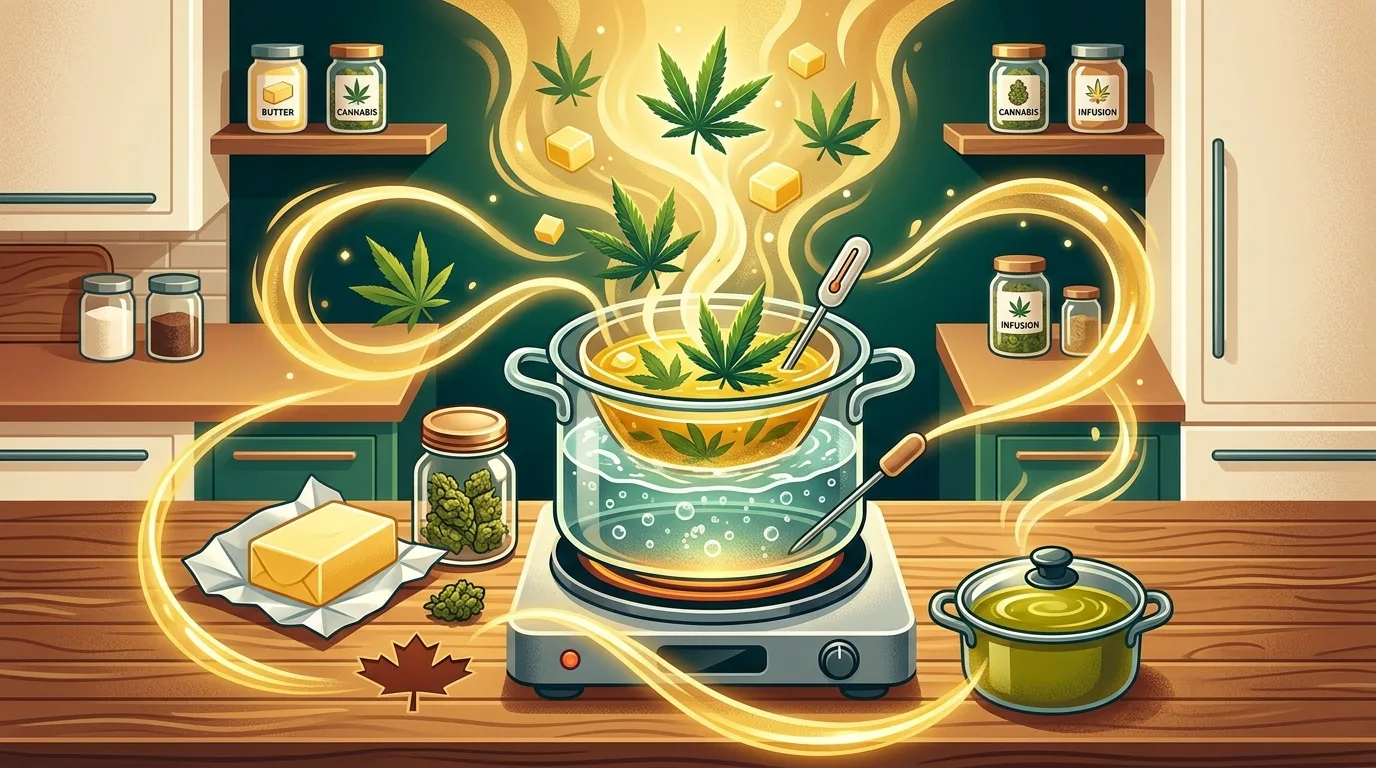
Technically, yes, if you simmer the cannabis in milk or a fat-water mixture on the stovetop for 45 minutes to an hour. This method decarboxylates and extracts in one step, but it requires careful temperature monitoring. You need to keep the liquid between 95°C and 100°C without boiling over or scorching the bottom of the pot. A candy thermometer helps. The result works, but it's more time-intensive and smells stronger than the oven-first method.
For most home brewers, the oven decarboxylation step provides more consistent results and lets you prepare decarbed cannabis in batches that you can store and use over several tea sessions.
The Full-Steep Method: Time, Temperature and Fat Ratios
Once your cannabis is decarboxylated, the brewing process itself becomes straightforward. You're essentially making a hot milk infusion rather than a traditional tea. Here's the step-by-step method that reliably extracts cannabinoids into a drinkable form.
Ingredients and Equipment
For a single serving, you'll need 0.5 to 1 gram of decarboxylated cannabis (adjust based on tolerance and desired strength), 250 ml of whole milk or full-fat plant milk, optional tea bag or spices for flavour, a small saucepan, and a fine-mesh strainer or tea infuser.
The ratio of cannabis to liquid matters less than the ratio of cannabis to fat. A gram of flower in a cup of whole milk works. A gram in a cup of water with a tablespoon of coconut oil also works. The key is ensuring enough fat is present to absorb the available cannabinoids.
Brewing Steps
Pour the milk into a small saucepan and add the decarboxylated cannabis. Heat the mixture over low-medium heat, stirring occasionally. You want the liquid to steam and show tiny bubbles around the edges but not to boil aggressively. Boiling can scorch milk proteins and create a skin on the surface.
Maintain this gentle simmer for 15 to 30 minutes. The longer you steep, the more cannabinoids transfer into the milk. Fifteen minutes is the minimum for noticeable effects. Thirty minutes ensures a thorough extraction. Stir every few minutes to keep the plant material circulating rather than settling and sticking.
After steeping, strain the mixture through a fine-mesh sieve or cheesecloth into your mug. Press the soggy cannabis gently with a spoon to squeeze out the last of the infused milk. Discard the spent plant material. At this point, you can add a tea bag (chai works beautifully), honey, vanilla, cinnamon, or any flavourings you prefer. Let the tea bag steep for 3 to 5 minutes, then remove it. Your THC tea is ready.
Temperature Monitoring Tips
If you have a kitchen thermometer, aim to keep the milk between 75°C and 85°C (170°F to 185°F) during the steep. This range is hot enough to encourage cannabinoid transfer without denaturing milk proteins or evaporating too much liquid. If you don't have a thermometer, watch for steady steam and occasional small bubbles. If the milk starts to foam or rise rapidly, lower the heat immediately.
Dosing, Onset and Duration: What to Expect
THC tea is an edible, not an inhalable. That means the effects follow the edible timeline: slower onset, longer duration, and a body-centreed high. Understanding this timeline prevents the most common mistake, which is drinking a second cup because the first one "didn't work" after 20 minutes.
How Long Before THC Tea Kicks In
Onset typically occurs 45 to 90 minutes after consumption. This range is slightly faster than solid edibles like brownies or gummies because liquids move through the stomach more quickly and because warm beverages can aid digestion. But it's still far slower than smoking or vaping, which peak within 10 to 15 minutes.
Individual factors influence onset time. If you drink THC tea on an empty stomach, effects may arrive in 30 to 45 minutes. If you've just eaten a large meal, onset can stretch to two hours. Your body's metabolism and tolerance also play roles. A regular consumer might notice effects sooner than someone new to cannabis.
The peak usually hits around the two-hour mark, then tapers gradually over the next two to four hours. Total duration ranges from four to eight hours, depending on dose and individual metabolism. Plan your day accordingly, especially if you're trying THC tea for the first time.
Dosing Guidelines for Beginners
If you're new to cannabis edibles, start with 0.25 to 0.5 grams of decarbed flower per cup. Assume that cannabis tests at 15% THC (a conservative average), so 0.5 grams delivers roughly 7.5 mg of activated THC. That's a mild dose for most people, enough to feel relaxed without overwhelming effects.
Wait a full two hours before deciding whether to drink more. Overconsumption is the most common edible mistake, and it's harder to reverse once you've swallowed the dose. If 0.5 grams feels too subtle after a few sessions, increase to 0.75 or 1 gram next time. Regular consumers comfortable with 10 to 20 mg edible doses can start with 1 to 1.5 grams per cup.
Flavour Pairings and Recipe Variations
Plain cannabis-infused milk tastes earthy, grassy, and slightly bitter. Most people find it more palatable when combined with strong flavours that complement or mask the plant taste. Here are tried-and-tested pairings that work.
Chai Spice Blend
Steep black tea, cardamom, cinnamon, ginger, cloves, and black pepper along with your cannabis-milk mixture. The warming spices cover the herbal bitterness beautifully, and chai's traditional richness feels natural alongside whole milk. Add honey or maple syrup to taste. This is the most popular flavour profile for THC tea among regular users.
Golden Milk Turmeric Latte
Combine your cannabis-infused milk with turmeric, black pepper (which aids turmeric absorption), vanilla, and a touch of honey. The result is a vibrant yellow beverage with anti-inflammatory properties on top of the cannabinoid effects. Coconut milk works especially well in this variation.
Mint Chocolate
Add cocoa powder, peppermint extract, and a small amount of sugar or stevia to the strained milk. The chocolate provides richness and sweetness, while mint adds a cooling contrast. This version feels like a dessert drink and works well as an evening treat.
Matcha Cannabis Latte
Whisk matcha powder into the finished cannabis milk for a caffeinated, antioxidant-rich hybrid beverage. The matcha's vegetal bitterness actually complements the cannabis taste rather than clashing with it. Use ceremonial-grade matcha if you can; culinary grade can taste harsh.
Troubleshooting Common THC Tea Problems
Even with the fat-solubility principle understood, home brewers run into predictable issues. Here's how to solve the most frequent problems.
My Tea Had No Effect
First, confirm you decarboxylated the cannabis. If you skipped this step or under-heated the flower, the THCa never converted to active THC. Second, check your fat content. If you used water or low-fat milk without added butter or oil, cannabinoids had nowhere to bind. Third, consider timing. If you drank the tea 30 minutes ago and feel nothing, wait another hour before concluding it failed. Edibles are slow.
The Taste Is Unbearable
Use less cannabis or steep for a shorter time to reduce bitterness. Strain through cheesecloth twice to remove all plant particles. Add stronger flavourings like chai spices, cocoa, or vanilla extract. Sweeteners help, but they don't mask the taste as effectively as bold spices. Some people find that starting with higher-quality flower reduces the grassy harshness, though this isn't a universal rule.
I Got Too High
This happens when users drink a second cup before the first fully kicks in or when they underestimate the potency of their flower. If you find yourself uncomfortably high, remember that it will pass. Drink water, eat something light, find a comfortable place to sit or lie down, and breathe slowly. CBD can counteract some of THC's intensity if you have access to a CBD tincture or vape. The peak will subside within two to three hours.
The Milk Curdled or Formed a Skin
You overheated the mixture. Lower your stovetop temperature next time and stir more frequently. If you see the milk starting to foam or bubble aggressively, remove it from heat immediately. A milk frother or whisk can help reincorporate a skin if it forms, though the texture won't be perfect. Some brewers switch to coconut milk or add a pinch of baking soda to stabilize dairy milk at higher temperatures.
Storing Decarbed Cannabis and Pre-Made Tea
Decarboxylated cannabis stays potent for months when stored properly. Keep it in an airtight glass jar in a cool, dark cupboard. Light and heat degrade THC over time, so avoid clear containers on countertops. Label the jar with the decarb date so you remember when you prepared it.
If you want to batch-brew THC tea, you can make a concentrated cannabis milk and refrigerate it for up to five days. Strain the steeped mixture, let it cool, and store it in a sealed container. When you want a cup, heat a portion of the infused milk and add your tea bag and sweeteners. This method saves time if you drink THC tea regularly.
Freezing cannabis-infused milk works but can alter the texture slightly. Milk fat may separate when thawed. Shake or blend it vigourously before reheating. Ice cube trays offer a clever portioning method: freeze the infused milk in cubes, then pop one or two into a mug of hot water or regular milk when you want a dose.
Comparing THC Tea to Other Consumption Methods
THC tea occupies a unique position in the cannabis consumption spectrum. It's slower than inhalation but faster than solid edibles. It's less intense than concentrates but more body-focused than flower. Understanding where it fits helps you decide when to choose tea over other methods.
THC Tea vs Smoking or Vaping
Inhalation delivers effects within minutes and peaks around 15 to 30 minutes. This makes it easy to titrate your dose: take a puff, wait ten minutes, decide if you want more. Tea removes that control. Once you drink it, the dose is set, and you're committed to a multi-hour experience. But tea is gentler on the lungs, produces no smoke or vapour, and offers a longer, steadier effect curve without the sharp peak and drop of inhalation.
THC Tea vs Edibles
Solid edibles like brownies, gummies, or cannabutter-based baked goods follow a similar timeline to tea but may take slightly longer to kick in because your digestive system must break down solid food. Tea's liquid form gives it a slight onset advantage. Flavour-wise, tea is easier to customize on the fly compared to baked goods, which lock in their flavour during cooking. Dosing precision is comparable if you measure your cannabis carefully.
THC Tea vs Tinctures
Alcohol-based or oil-based tinctures held under the tongue (sublingual absorption) can take effect in 15 to 45 minutes, faster than tea because some cannabinoids absorb directly into the bloodstream through mucous membranes. Tinctures also allow precise dosing by the milliliter. But tinctures taste harsh, often require holding liquid in your mouth for 60 to 90 seconds, and lack the ritual and comfort of sipping a warm beverage. Tea is less efficient but more enjoyable for many users.
Why Pacing Matters: The Tea Ritual as Harm Reduction
One overlooked benefit of THC tea is the built-in pacing mechanism. A hot beverage takes 10 to 20 minutes to drink comfortably. This slow consumption encourages mindfulness and prevents the "eat the whole edible because it tastes good" trap that catches newcomers.
Sipping tea also creates a ritual. You boil water, steep ingredients, add flavourings, and sit down with a mug. This process signals to your brain that you're transitioning into a different state, much like how a bedtime tea routine signals sleep. The ritual can enhance the cannabis experience by setting intention and creating a calm environment.
For people using cannabis to manage anxiety, chronic pain, or insomnia, the tea-making process itself can be therapeutic. The repetitive actions, the warmth of the mug in your hands, and the aroma of spices all contribute to relaxation before the cannabinoids even take effect. This is why many medical cannabis users prefer tea over faster methods despite the delayed onset.
Legal and Safety Considerations in Canada
Cannabis is legal for adult recreational use across Canada, but specific rules govern homemade edibles. You can legally make THC tea at home using cannabis purchased from licenced retailers or grown under personal cultivation limits (four plants per household in most provinces). You cannot sell homemade THC tea or give it to minors.
If you're making tea for someone else, clearly label it and communicate the dose. Unintentional consumption, especially by children or pets, is a serious risk. Store decarbed cannabis and infused liquids in child-proof containers, preferably in a locked cupboard if children visit your home.
Driving or operating machinery after consuming THC tea is illegal and dangerous. Even if you feel only mildly affected, your reaction time and judgment are impaired. The long duration of edible effects means you may still be impaired hours after consumption, even if the peak has passed. Plan to stay home or arrange transportation.
If you're new to cannabis or returning after a long break, consider starting with a half dose and having a trusted, sober friend nearby the first time you try THC tea. Greening out is uncomfortable but not life-threatening, and having support makes the experience less frightening if it happens.
Ready to Explore THC Tea?
Shop our selection of quality cannabis flower perfect for brewing your next cup. Fast, discreet delivery across Ottawa and Gatineau.
Browse FlowerYes. Already-vaped bud is partially decarboxylated, so you can skip the oven step and steep it directly in milk. However, AVB contains less THC than fresh decarbed flower, so you may need to use more (1.5 to 2 grams per cup) to achieve the same effects. The taste is often harsher and more burnt.
The decarboxylation step in the oven produces a noticeable cannabis smell that fills the kitchen, similar to baking edibles. The steeping process smells milder, more like herbal tea with a grassy undertone. It's less pungent than smoking but not odourless. Ventilation helps.
Yes, but it changes the preparation. Add 5 to 10 mg of THC tincture or oil directly to hot milk or water with a tea bag. Stir well to distribute the oil. This method skips decarboxylation and steeping but loses the ritual aspect and may not blend as smoothly, leaving an oily film unless you emulsify it with lecithin.
Edible THC is processed differently by the liver, converting THC into 11-hydroxy-THC, a more potent metabolite. This makes edibles, including tea, feel more intense and body-focused than inhaled THC, even at similar doses. A 10 mg edible often feels stronger than smoking a 10 mg joint, though individual responses vary.
Use any high-fat plant milk (oat milk barista blends, cashew cream) or add a teaspoon of coconut oil, MCT oil, or nut butter directly to water. The fat must be present to extract cannabinoids. Some people use a small amount of alcohol (like a splash of vodka) to extract cannabinoids, then dilute with hot water, though this changes the flavour significantly.
Cold water won't extract cannabinoids efficiently even with fat present. You need heat to encourage the transfer. However, you can brew hot THC tea using the milk method, let it cool, and refrigerate it to drink cold later. Add ice, lemon, or mint for a cannabis iced tea.
Conclusion: The Science and Patience Behind a Perfect Cup
Making THC tea work comes down to understanding two non-negotiable principles: decarboxylation to activate the THC, and fat to carry it into the liquid. Skip either step, and you'll end up with expensive, ineffective herbal water. But when you honour the science, measure your dose carefully, and give the tea time to steep properly, you create a slow-onset, long-lasting cannabis experience that's gentler than smoking and more ritualistic than swallowing a gummy.