You've dabbed shatter. You've worked through a gram of live resin. Your timing on the heat-and-drop is solid. Now you're holding a jar of THC diamonds , crystalline chunks that look more geology than botany , and you're wondering if the same technique applies. It doesn't, at least not entirely. Dabbing diamonds requires downsizing your portion, dialing back your temperature, and understanding the difference between isolated crystals and sauce-suspended gems. This guide assumes you already know how to handle a torch and a banger; we're here to talk about what changes when the concentrate in your hand is 95%+ THC and shaped like quartz.
THC diamonds aren't just potent , they're structurally different. Where budder and wax melt predictably, diamonds sublimate unevenly if overheated, leaving puddles or scorched residue. Where live resin offers built-in terpenes, isolated diamonds deliver raw cannabinoid punch with little flavour unless paired intentionally. If you treat them like any other dab, you'll either waste product, char your banger, or wonder why the high feels one-dimensional. This article walks through the mechanics, the common mistakes, and the small adjustments that make diamond dabs smooth, flavourful, and genuinely worth the premium price tag.
Understanding What You're Actually Dabbing
Before we get into technique, let's clarify what THC diamonds are and why they behave differently than the concentrates you're used to. Diamonds are crystallized THCa , the acidic precursor to THC that converts under heat. They form during a controlled separation process where cannabinoids precipitate out of a supersaturated solution, leaving behind nearly pure THCa structures. Some jars contain diamonds floating in high-terpene extract (HTE) or "sauce"; others are sold as isolated crystals with minimal residual oil. That distinction matters for dosing and flavour.
When you dab an isolated diamond, you're vapourizing almost pure cannabinoid with virtually no terpene content. The experience is clean, potent, and remarkably neutral , some users describe it as hollow compared to full-spectrum extracts. Diamonds in sauce, by contrast, reunite the THCa crystal with the terpene-rich fraction that was separated during extraction. The sauce provides flavour, aroma, and the entourage effect that many experienced users prefer. Your dabbing approach should match what's in the jar: isolated crystals need supplemental flavour or precise pairing; sauce-suspended diamonds are closer to a traditional dab but still require portion control.
Why Size and Temperature Matter More With Diamonds
THC diamonds concentrate cannabinoid potency into a small, dense mass. A crumb the size of a match head can deliver 30-50 mg of THC once decarboxylated , double or triple the effective dose in an equivalent volume of shatter. Overloading your banger doesn't just waste product; it floods the surface, causes uneven vapourization, and leaves sticky residue that's harder to clean than typical reclaim. Crumb-sized portions are the norm, not a suggestion. If you're accustomed to rice-grain dabs of budder, cut that visual estimate in half for diamonds.
Temperature control becomes critical because diamonds sublimate at a narrower range than mixed-consistency concentrates. Too hot, and the THCa flash-vapourizes into harsh, flavourless vapour before the terpenes (if present) can volatilize. Too cool, and the crystal won't fully melt, leaving a half-vapourized chunk that puddles instead of clouds. The sweet spot for diamonds sits between 315°C and 370°C (600°F-700°F) , lower than the 400°C+ temps some dabbers use for shatter. A temperature gun or timed cool-down isn't optional here; guesswork leads to waste.
The Right Tools and Setup for Diamond Dabs
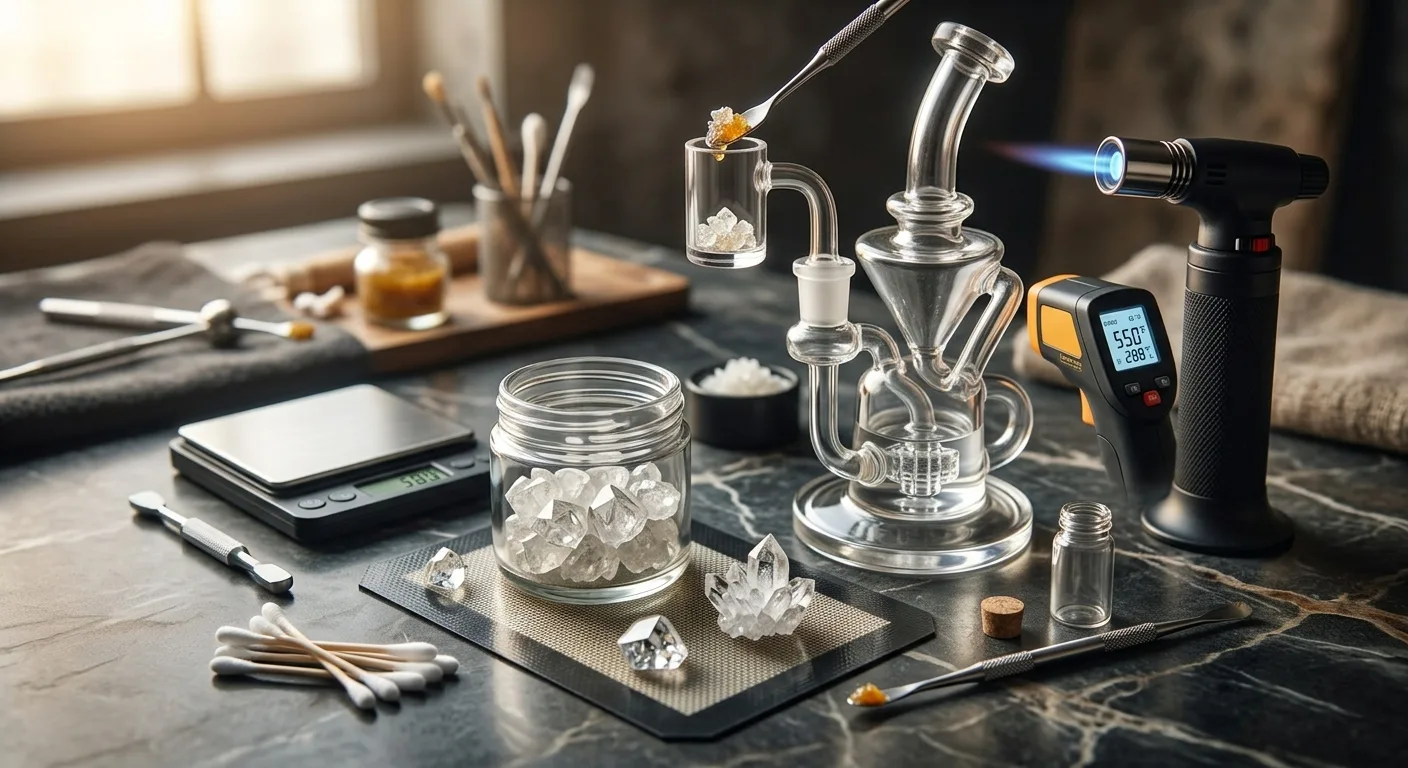
Your standard dab rig will work, but a few adjustments improve results. Quartz bangers are strongly preferred over titanium or ceramic for diamonds because quartz heats evenly, cools predictably, and doesn't retain residue the way porous surfaces do. A flat-bottom or 45-degree banger gives diamonds room to melt without pooling in corners. If you're using a traditional dome-and-nail setup, consider upgrading , diamonds melt slowly enough that a carb cap and controlled airflow make a measurable difference in vapour quality.
Carb caps are non-negotiable for low-temp diamond dabs. By restricting airflow and creating convective heat, a cap allows you to vapourize diamonds at lower surface temperatures, preserving terpenes and reducing harshness. Directional carb caps , the ones with angled airflow , help you stir and redistribute the melt without lifting the cap mid-dab. Some experienced users prefer bubble caps for the way they circulate vapour around larger diamonds, but any snug-fitting cap will outperform an open banger.
Dab Tools That Won't Frustrate You
Diamonds are rigid and often sticky when suspended in sauce. A flat-tipped metal dab tool works better than a scoop or pointed tip because it lets you leverage a crystal free from the jar and balance it during transfer. Titanium tools resist bending and clean easily; avoid cheap stainless steel that warps under repeated heating. Some dabbers keep a dedicated "diamond tool" with a slightly cupped tip to cradle smaller crumbs , the goal is control, not speed. If you're working with sauce-suspended diamonds, a small spoon-style tool helps you scoop both crystal and surrounding terps in one motion.
Keep a cleaning swab or isopropyl-dipped cotton tip nearby. Diamonds leave minimal residue if vapourized correctly, but any leftovers harden quickly and bond to quartz if ignored. Swabbing while the banger is still warm , not hot , prevents buildup and keeps your surface pristine for the next dab. This isn't fussy maintenance; it's practical upkeep that extends the life of your gear and preserves flavour.
Step-by-Step: How to Dab Isolated Diamonds
Isolated diamonds , the ones sold as dry crystals without sauce , demand the most precise technique. Here's the process that experienced users follow to avoid waste and harshness:
1. Measure Your Portion Visually
Break or crush a diamond chunk into a crumb roughly the size of a peppercorn or smaller. If you're new to diamonds, start at half that , seriously. You can always add a second dab; you can't undo an overwhelming dose. Use your dab tool to isolate the piece in the jar, then set the jar aside to avoid accidental double-dipping or contamination from warm hands.
2. Heat Your Banger and Time the Cool-Down
Apply your torch to the bottom and lower sides of the quartz banger for 20-30 seconds, depending on thickness. Once the entire surface glows faintly (not red-hot), remove the flame and start your timer. For diamonds, wait 35-50 seconds before dropping your dab. Thicker bangers need longer cool-downs; experienced dabbers often use a temperature gun to confirm they're in the 315-370°C range. If you're guessing, err on the side of cooler , you can always reheat slightly with the carb cap on.
3. Drop the Diamond and Cap Immediately
Place your diamond crumb in the centre of the banger floor. It should begin to melt within 2-3 seconds. Cap the banger immediately , don't wait for visible vapour. The cap traps convective heat and ensures even vapourization. Isolated diamonds produce minimal flavour vapour at first; you're looking for a thin, smooth cloud rather than a billowing plume. If nothing happens, your temp is too low; lift the cap, apply 2-3 seconds of torch heat to the banger's base, and recap.
4. Stir and Manage the Melt
If you're using a directional carb cap, angle the airflow to move the melting diamond around the banger floor. This prevents localized scorching and ensures even vapourization. Diamonds can melt unevenly , the outer layer vapourizes while the core remains solid. Gentle stirring with a tool (under the cap) helps, but avoid aggressive poking that splashes residue up the banger walls. Most isolated diamond dabs finish within 10-15 seconds of sustained inhalation.
5. Swab and Assess
Once vapour production stops, lift the cap and swab the banger with a dry cotton tip while it's still warm. Properly vapourized diamonds leave almost no residue , if you're seeing black char or sticky puddles, your temp was off. Make a mental note and adjust next time. Consistent post-dab cleanup is how you dial in your personal technique; every banger and torch combo behaves slightly differently.
For a deeper dive into cannabinoid chemistry, our guide on THC diamonds and their purity claims explains why these concentrates behave differently than traditional extracts.
How to Dab Diamonds Suspended in Sauce
Diamonds packed in sauce , often labelled as "terp sauce" or "HTFSE" (high-terpene full-spectrum extract) , offer a more forgiving experience because the surrounding oil adds flavour, lowers viscosity, and moderates vapourization. The tradeoff is less precise dosing unless you separate crystal from sauce intentionally.
Scooping Strategy: Crystal + Sauce Ratios
When you dip your tool into a sauce jar, you'll lift a small diamond coated in viscous extract. The ratio of crystal to sauce determines potency and flavour. A crumb-sized diamond plus a thin coating of sauce delivers balanced effects; a large crystal with minimal sauce skews toward isolated-diamond intensity. Experienced users often tilt the jar to pool sauce in one corner, then select a crystal from the drier section if they want more control. Conversely, scooping from the sauce-heavy zone gives you terpene-forward dabs with moderate potency.
If your goal is maximum flavour, prioritize sauce and use smaller diamond fragments. If you're chasing potency, fish out a larger crystal and let excess sauce drip back into the jar before dabbing. There's no wrong approach , sauce-suspended diamonds are inherently more flexible than isolated crystals. Just be consistent so you can predict effects and adjust portions over time.
Temperature Adjustments for Sauce Content
Sauce melts and vapourizes faster than isolated diamonds, so you can dab slightly hotter without harshness. Aim for the 345-385°C range (650-725°F) , the terpene-rich sauce buffers the diamond's vapourization and produces smoother clouds. You'll see vapour production sooner with sauce dabs, usually within 1-2 seconds of capping. Let the sauce fully vapourize before applying additional heat; rushing it scorches terpenes and wastes the flavour you paid for.
Some dabbers prefer to "paint" the banger floor with sauce first, then drop the diamond on top. This technique preheats the crystal gradually and can reduce uneven melting, but it requires confident timing and a steady hand. If you're still learning your rig's cool-down curve, stick to the drop-and-cap method until muscle memory takes over.
What Beginners Get Wrong (And How to Fix It)
Even experienced dabbers stumble when they first switch to diamonds. Here are the most common mistakes and the corrections that actually work:
Mistake 1: Using the Same Portion Size as Shatter
Diamonds are 30-40% more potent by volume than most solvent-based concentrates. A "normal" dab of diamonds is too much for most users, leading to coughing, anxiety, or an uncomfortably long high. Fix: Halve your usual portion. If you typically dab 0.05g of live resin, start with 0.02-0.03g of diamonds. You can always take a second dab 20 minutes later if needed , you can't un-dab an excessive dose. Our guide on first-time dabbing mistakes covers portion control principles that apply double to diamonds.
Mistake 2: Treating Isolated Diamonds Like Full-Spectrum Extracts
Isolated diamonds lack the terpenes that make traditional dabs flavourful and well-rounded. Some users assume the product is defective when it tastes flat or produces a one-note high. Fix: Pair isolated diamonds with a terpene source. You can dip a diamond in live resin, mix it with a small amount of sauce, or add a drop of cannabis-derived terpenes to the banger before dabbing. Alternatively, embrace the neutral profile , isolated diamonds are ideal for users who want potency without flavour interference or who layer cannabinoids deliberately.
Mistake 3: Overheating the Banger
High-temp dabs work for shatter because the concentrate melts quickly and vapourizes evenly. Diamonds sublimate unevenly at high temps, producing harsh throat hits and wasting product through flash vapourization. Fix: Extend your cool-down by 10-15 seconds. Use a timer or temperature gun religiously until low-temp technique becomes second nature. If you don't own a temp gun, they're $15-25 online and worth every penny for diamond dabs.
Mistake 4: Skipping the Carb Cap
Open-air dabs waste diamonds. Without a cap, convective heat escapes, surface temp drops, and vapourization stalls halfway through. Users compensate by reheating, which scorches residue and degrades flavour. Fix: Cap every diamond dab, no exceptions. If you don't own a carb cap, buy one before you buy your next gram of diamonds. It's not an accessory; it's essential equipment for this concentrate type.
Mistake 5: Ignoring Jar Storage and Handling
Diamonds are stable, but sauce separates and terpenes volatilize if jars are left open or stored warm. Some users leave lids loose, thinking concentrates need to "breathe." They don't. Fix: Seal jars immediately after use and store them in a cool, dark place. If your diamonds came in sauce, periodically tip the jar gently to redistribute terps. If you're seeing crystallization on the jar lid or noticing muted flavour, your storage conditions are off.
Advanced Techniques: Layering and Custom Ratios
Once you're comfortable with baseline diamond dabs, you can experiment with layering and ratio control to fine-tune effects. Layering means stacking different concentrates in a single dab , typically a base layer of live resin or sauce, followed by a diamond, sometimes capped with crumble or kief. The base layer provides terpenes and cushions the diamond's vapourization; the cap adds texture or minor cannabinoids like CBD.
Layered dabs aren't about spectacle; they're about customizing the entourage effect and flavour profile without buying pre-mixed products. If you find isolated diamonds too intense, a thin smear of live resin underneath softens the hit and adds complexity. If you want potency but miss the earthy notes of hash, a pinch of Moroccan blonde on top delivers both. This approach requires confidence with your rig's heat retention and timing, but it's not as finicky as it sounds. Start with small additions , a crumb of diamond on a standard live resin dab, for example , and scale up as you learn how different concentrates interact under heat.
Stirring Diamonds Into Sauce for Consistency
Some jars separate aggressively during shipping or storage, leaving diamonds at the bottom and sauce pooled on top. Stirring the jar with a clean dab tool before each session redistributes terpenes and ensures consistent dosing. Gently fold the sauce over the diamonds rather than whisking aggressively , you want integration, not emulsification. If the sauce is too thick to stir, let the jar sit at room temperature for 10 minutes; cold extract behaves like honey and resists mixing.
Stirred jars produce more predictable scoops, which matters if you're dialing in a precise dose or sharing with others. It also prevents "all crystal" and "all sauce" dabs that swing between extremes. Consistency is half the skill in concentrate use; homogeneous sauce eliminates one variable.
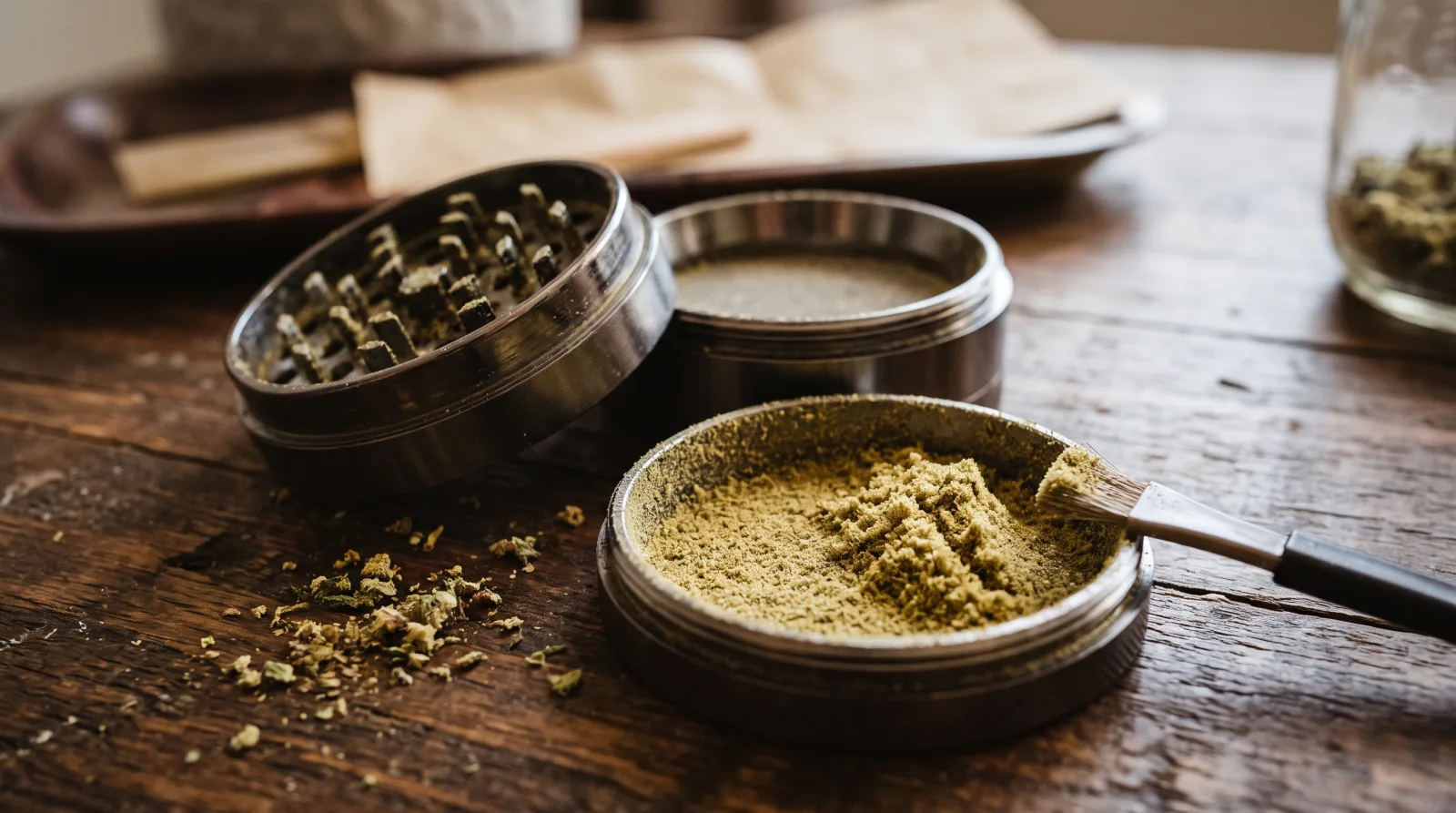
Understanding cannabinoid ratios helps when you're blending concentrates intentionally. Our deep dive on CBD to THC ratios explains how different balances shift effects , principles that apply when you're layering diamonds with CBD isolate or broad-spectrum extracts.
Recognizing Quality and Avoiding Common Pitfalls
Not all diamond products are created equal, and visual inspection doesn't always correlate with potency or purity. Clear, geometric crystals with sharp edges generally indicate thorough purging and proper crystallization. Cloudy or irregularly shaped chunks can still be potent, but they may contain residual solvents or waxes. If your diamonds smell like sulfur, petroleum, or harsh chemicals, that's a red flag , proper diamonds should smell neutral (if isolated) or strongly of cannabis terpenes (if in sauce).
Sauce colour and consistency also matter. Golden to amber sauce with visible shimmer (from dissolved cannabinoids) suggests a high-terpene, full-spectrum extract. Dark brown or green-tinted sauce often means plant lipids or chlorophyll weren't fully removed during extraction. It's not dangerous, but it tastes harsh and clogs bangers faster. If you're buying diamonds online or from a dispensary, ask about lab testing , reputable producers provide COAs (certificates of analysis) showing cannabinoid percentages and solvent residuals. If THCa content is below 90% on isolated diamonds, you're paying premium prices for mid-grade product.
What to Do When a Dab Goes Wrong
Overheated diamonds leave black char, clog your banger, and taste like burnt plastic. If you scorch a dab, don't keep heating , you're just making it worse. Let the banger cool completely, then soak it in isopropyl alcohol for 20-30 minutes. Scrub with a cotton swab or soft brush, rinse with warm water, and dry thoroughly before your next session. Repeated scorching weakens quartz and creates microfractures that trap residue, so prevention (via temp control) is always better than cleanup.
If a diamond won't fully vapourize even at correct temps, it may contain impurities or non-decarboxylated cannabinoids that resist heat. Don't chase it with excessive torching. Swab out the residue, note the brand or batch, and adjust your portion size or technique. Some lower-quality diamonds simply don't vapourize cleanly , your dab rig isn't broken; the product is subpar.
Pairing Diamonds With Flower and Other Concentrates
Diamonds aren't always meant to be dabbed solo. Sprinkling crushed diamonds into a bowl of flower , sometimes called "crowning" , boosts potency without requiring dab equipment. Break a small diamond into powder using a clean tool or mortar, then distribute it evenly over ground flower in a pipe or bong. Light gently; diamonds ignite faster than plant matter and can flare if hit with direct flame. This method wastes some cannabinoid (combustion is less efficient than vapourization), but it's convenient and produces a hybrid experience that flower-only users appreciate.
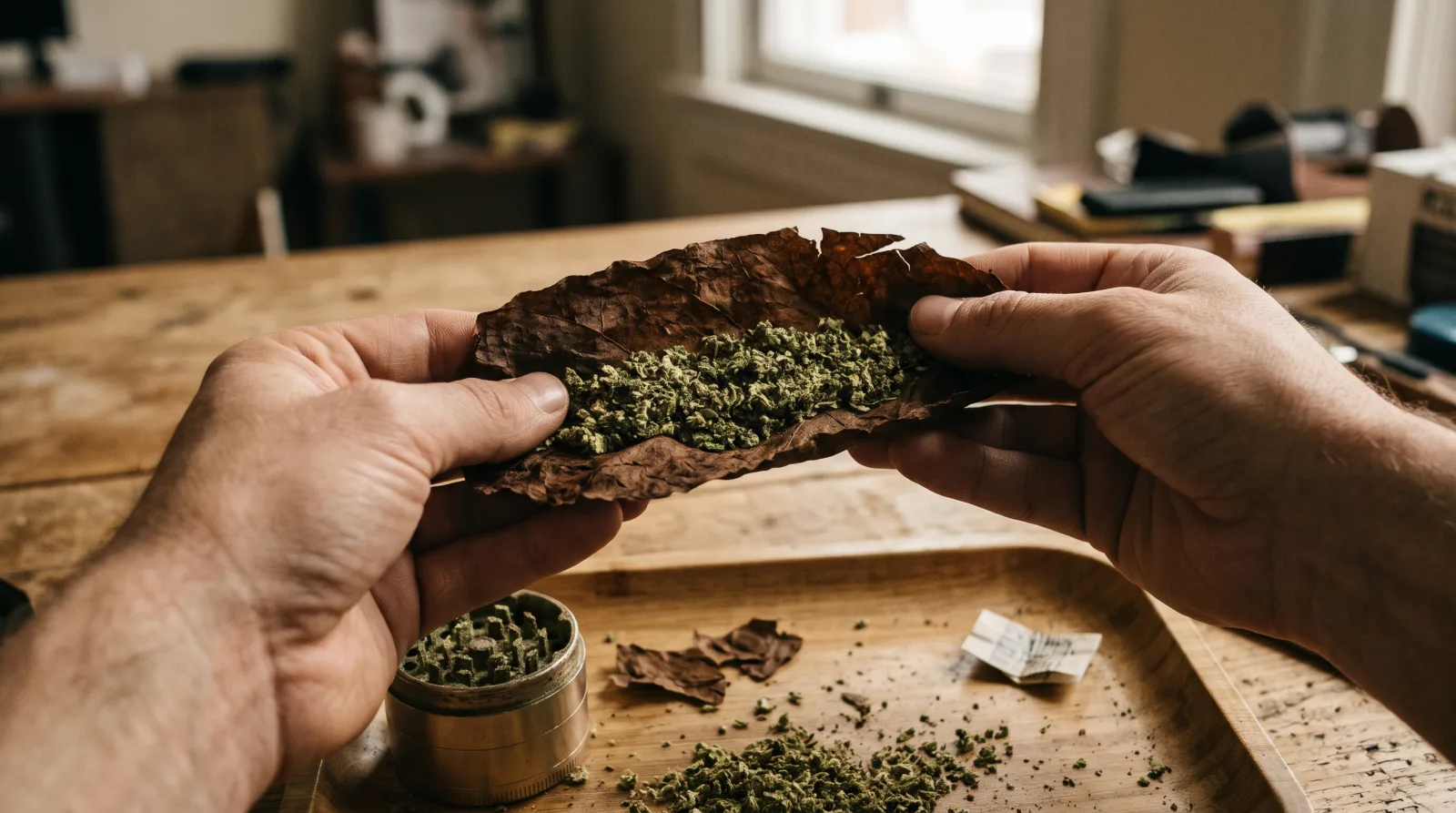
Some users layer diamonds into joints or blunts, though this is tricky. Diamonds don't burn evenly in rolled cannabis , they create hot spots, uneven cherries, and resin buildup in the paper. If you're committed to this method, crush the diamond finely and mix it thoroughly with your grind before rolling. Pack loosely and expect slower, cooler burns. For a more detailed breakdown of potency-boosting techniques, see our article on decarboxylation and how heat activates cannabinoids.
Mixing Diamonds and Live Resin for Balanced Effects
This is the most popular pairing among concentrate enthusiasts. A 70/30 live resin to diamond ratio delivers full-spectrum terpenes with a potency kick that pure resin can't match. Scoop a standard live resin dab, then balance a small diamond crumb on top. The resin melts first, creating a terpene-rich base; the diamond vapourizes into that cloud, merging potency with flavour. You get the entourage effect of live resin plus the raw cannabinoid ceiling of diamonds , best of both worlds.
Experiment with ratios to find your preference. Some users prefer 50/50 for maximum potency; others use a 90/10 split (mostly resin, tiny diamond) for subtle enhancement. Write down what works , visual estimates are unreliable, and cannabis tolerance shifts over time. A ratio that feels perfect today might need adjustment in three months.
Storage, Shelf Life, and Maintaining Potency
THC diamonds are among the most stable cannabis concentrates, but improper storage still degrades quality. Keep jars sealed, cool, and dark. Room temperature (18-21°C) is fine for short-term storage; anything above 25°C risks terpene loss and cannabinoid degradation. If you're storing diamonds for months, a fridge works, but let the jar return to room temp before opening , condensation inside a cold jar can introduce moisture and promote mold in sauce.
Isolated diamonds can last a year or more without noticeable potency loss if stored correctly. Sauce-suspended diamonds have a shorter shelf life , six to nine months , because terpenes oxidize and separate over time. If your sauce thickens, darkens, or develops an off smell, the terpenes have degraded. The diamonds themselves are likely still potent, but the experience won't match a fresh jar. Consider separating crystals from old sauce and pairing them with fresh live resin if you're committed to using them.