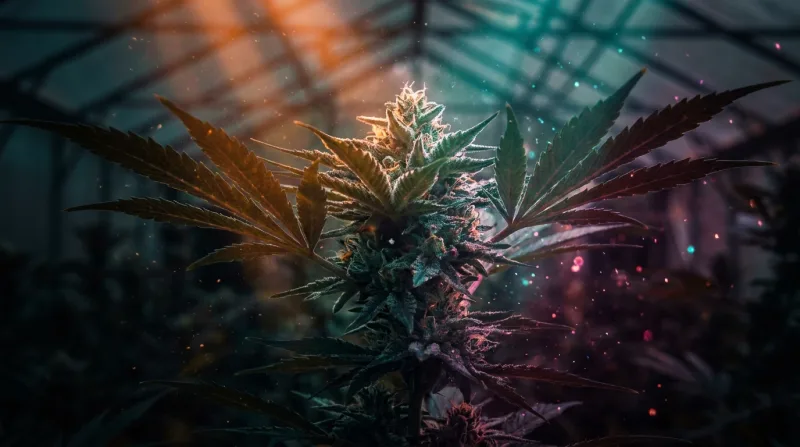
Ever accidentally eaten a piece of raw cannabis and wondered why you didn't get high? Or maybe you've heard people talk about "decarbing" weed before making edibles and scratched your head in confusion. The answer lies in understanding the crucial difference between THCa and THC,two compounds that are chemically similar but produce dramatically different effects. Understanding this transformation is essential for anyone looking to get the most out of their cannabis experience.
The Science Behind THCa: Cannabis in Its Natural State
When cannabis plants are growing, they don't actually produce THC,they produce THCa (tetrahydrocannabinolic acid). This non-intoxicating cannabinoid is the precursor to the THC that creates the euphoric effects cannabis is famous for. The "a" stands for "acid," referring to the carboxylic acid group attached to the molecule's structure.
In its raw form, THCa has a completely different molecular structure than THC, which means it interacts with your body's endocannabinoid system in an entirely different way. THCa molecules are too large to effectively bind with CB1 receptors in your brain,the receptors responsible for producing psychoactive effects. This is why you could theoretically eat an entire ounce of raw, uncured cannabis flower and feel nothing more than an upset stomach.
THCa contains an extra carboxyl group (COOH) that prevents it from crossing the blood-brain barrier efficiently, making it non-psychoactive in its raw form.
Decarboxylation: The Heat-Activated Transformation
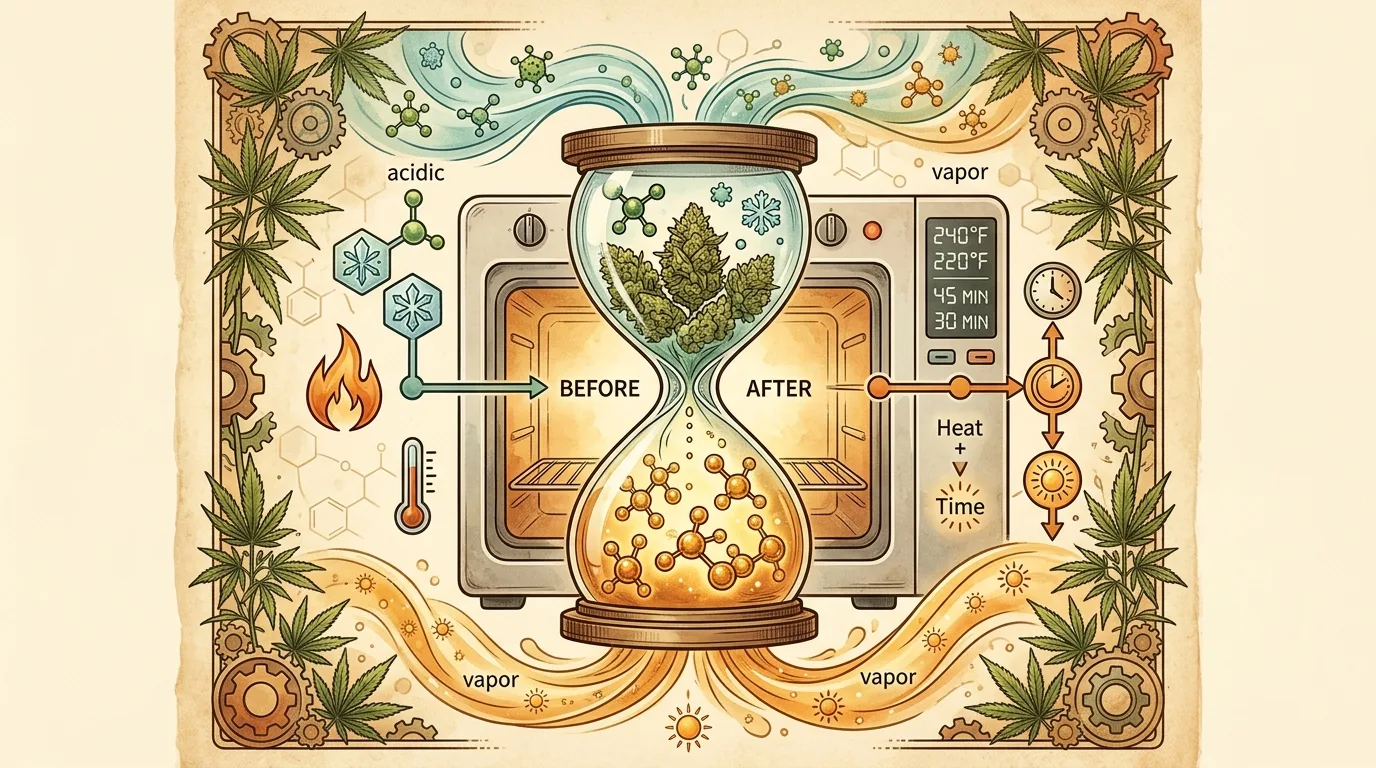
The magical process that converts THCa into psychoactive THC is called decarboxylation, often shortened to "decarbing." This chemical reaction occurs when cannabis is exposed to heat, causing the carboxylic acid group to break away from the THCa molecule in the form of carbon dioxide (CO2). What's left behind is THC in its active, psychoactive form.
Decarboxylation happens naturally in several ways during typical cannabis consumption. When you smoke or vapourize flower, the heat from combustion or vapourization instantly decarboxylates the THCa, converting it to THC in real-time. This is why smoking provides immediate effects,the THC is being created and absorbed almost simultaneously.
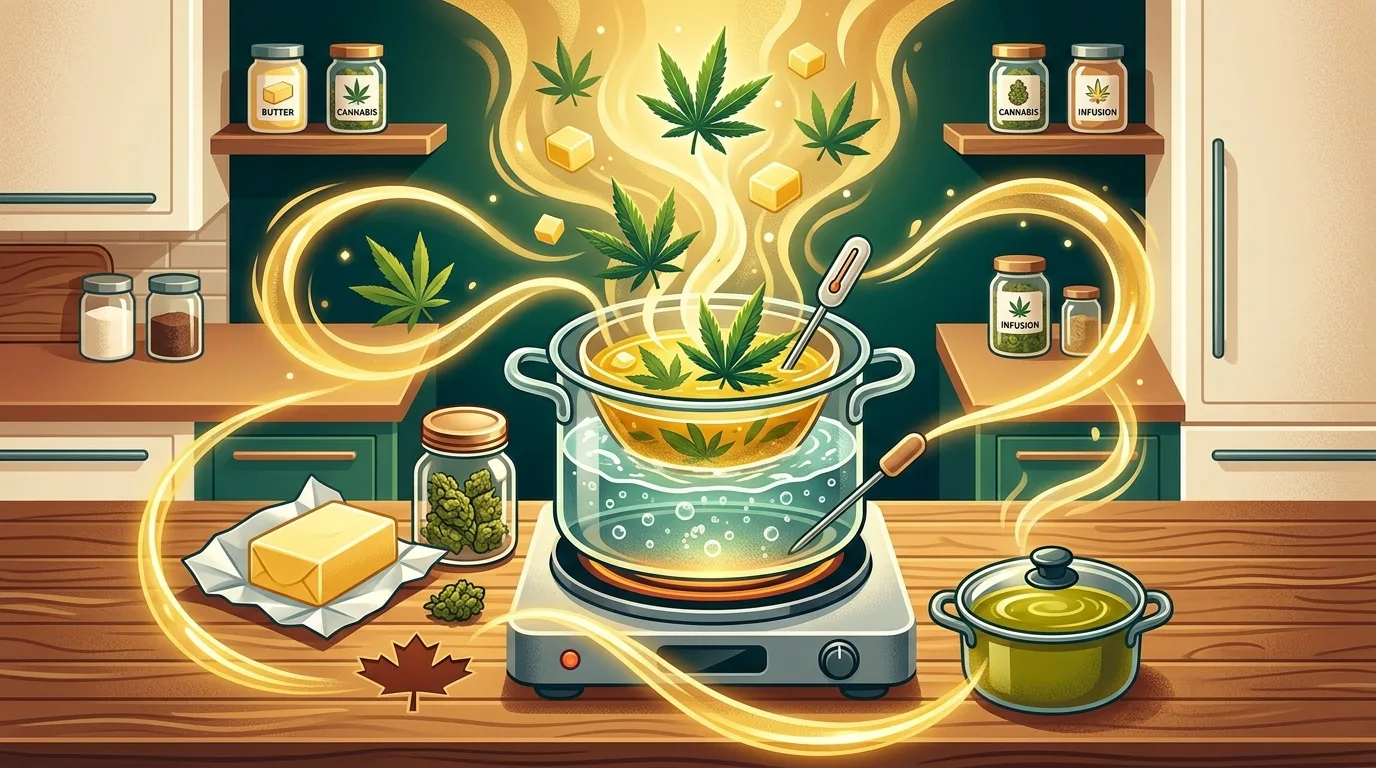
For products like edibles and concentrates, decarboxylation must occur during the manufacturing process. Home cannabis chefs typically decarb flower by baking it in an oven at around 220-245°F (104-118°C) for 30-45 minutes before infusing it into butter or oil. Professional extractors use precise temperature and time controls to maximize THC conversion while preserving valuable terpenes.

Pink Death Star
Shop Pink Death Star - Cali Bricks, a indica cannabis flower, through Uper Weed’s Can...
Premium strains like this offer maximum THCa content that converts beautifully when properly heated, delivering the powerful effects experienced users seek.
Why High-THC Products Start with High-THCa Flower
When you see a product labelled as "high THC," what you're really looking at is flower or concentrate that started with exceptionally high THCa levels. Lab testing on cannabis flower typically shows both THCa and THC percentages, and there's a simple formula to calculate the total potential THC: multiply the THCa percentage by 0.877 (to account for the molecular weight lost during decarboxylation) and add any existing THC.
For example, flower testing at 25% THCa and 1% THC would have a total potential THC of approximately 22.9% once fully decarboxylated. This is why premium, high-potency strains command higher prices,growers have carefully cultivated these genetics to produce maximum cannabinoid content.
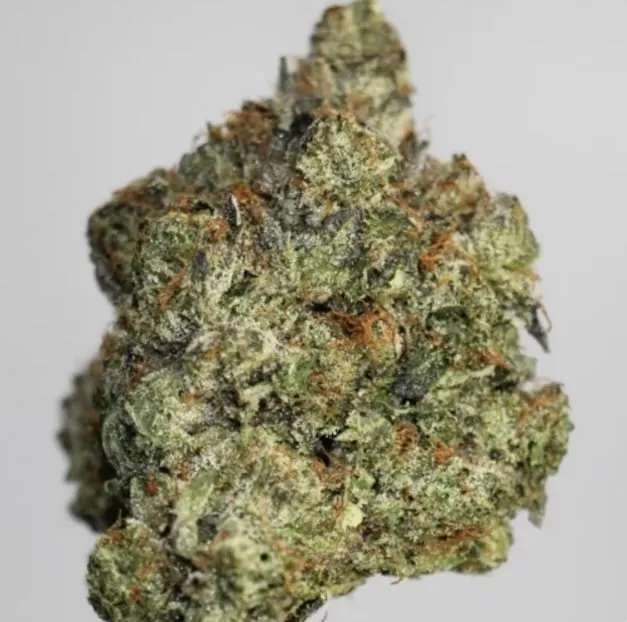
Godfather OG
Shop Godfather OG, a indica cannabis flower, through Uper Weed’s Canadian online cann...

King Louis XIII
Shop King Louis XIII, a indica cannabis flower, through Uper Weed’s Canadian online c...
Both of these legendary strains showcase what expert cultivation can achieve, with THCa levels that translate to exceptionally potent experiences when consumed.


Does Time Alone Convert THCa to THC?
Interestingly, THCa will slowly convert to THC over long periods, even without applied heat,though this process is much slower and less efficient. When cannabis sits at room temperature, exposed to light and oxygen, gradual decarboxylation occurs naturally over months and years. This is one reason why old, improperly stored cannabis often feels less potent and has a different effect profile than fresh flower.
However, this natural ageing process also converts THC into CBN (cannabinol), a degradation product that produces more sedative effects. This is why very old cannabis tends to have a "couch-lock" effect rather than the energizing or euphoric qualities of fresh product. Proper storage in airtight, light-proof containers in cool conditions slows both processes, preserving your cannabis's potency and desired effects.
Never store cannabis in direct sunlight or at high temperatures. This accelerates THCa degradation and can lead to premature THC conversion and further degradation to CBN, changing your product's effects.
The Medical and Therapeutic Potential of THCa
Just because THCa doesn't get you high doesn't mean it's without value. Emerging research suggests THCa may have its own therapeutic benefits, including anti-inflammatory, neuroprotective, and anti-nausea properties,all without psychoactive effects. Some medical cannabis patients specifically seek out raw cannabis juice or THCa tinctures to access these potential benefits while remaining clear-headed.
Athletes and professionals who need to avoid intoxication but want potential anti-inflammatory benefits are increasingly interested in THCa products. Some dispensaries now offer THCa crystalline or raw cannabis products specifically marketed for their non-intoxicating therapeutic potential. However, more clinical research is needed to fully understand THCa's medical applications and optimal dosing.
Maximizing Your High-THC Experience
Understanding the THCa-to-THC conversion helps you make smarter consumption choices. For smoking and vaping, the process is automatic,just ensure you're using quality flower with high starting THCa content. For edibles and infusions, proper decarboxylation is critical. Under-decarbed cannabis won't produce the expected potency, while over-decarbing (too high heat or too long) can degrade THC into CBN, reducing psychoactive effects.

Drizzle Factory Shatter
Shop Drizzle Factory Shatter, a cannabis concentrate, through Uper Weed’s Canadian on...
When working with concentrates like shatter, the material has already been decarboxylated during extraction, making it ready for use in edibles or direct consumption. This takes the guesswork out of home preparation.
Frequently Asked Questions
No, eating raw cannabis will not produce psychoactive effects because the THCa in raw plant material hasn't been converted to THC through decarboxylation. You need to apply heat to activate the cannabinoids.
Decarboxylation begins around 200°F (93°C), but optimal conversion occurs between 220-245°F (104-118°C). Higher temperatures speed the process but risk degrading THC into less desirable compounds.
Properly decarbed cannabis typically changes from bright green to a darker, brownish-green colour and becomes more brittle. The smell also intensifies and takes on a more 'cooked' aroma. For certainty, lab testing can confirm THC conversion rates.
Smoking and vapourizing automatically decarboxylate THCa through heat. However, edibles, tinctures, and topicals require pre-decarboxylation before the cannabis is infused into the final product to ensure psychoactive effects.
Explore Premium High-THC Strains
Discover expertly cultivated strains with maximum THCa content for powerful, consistent effects
Shop High-THC Cannabis