
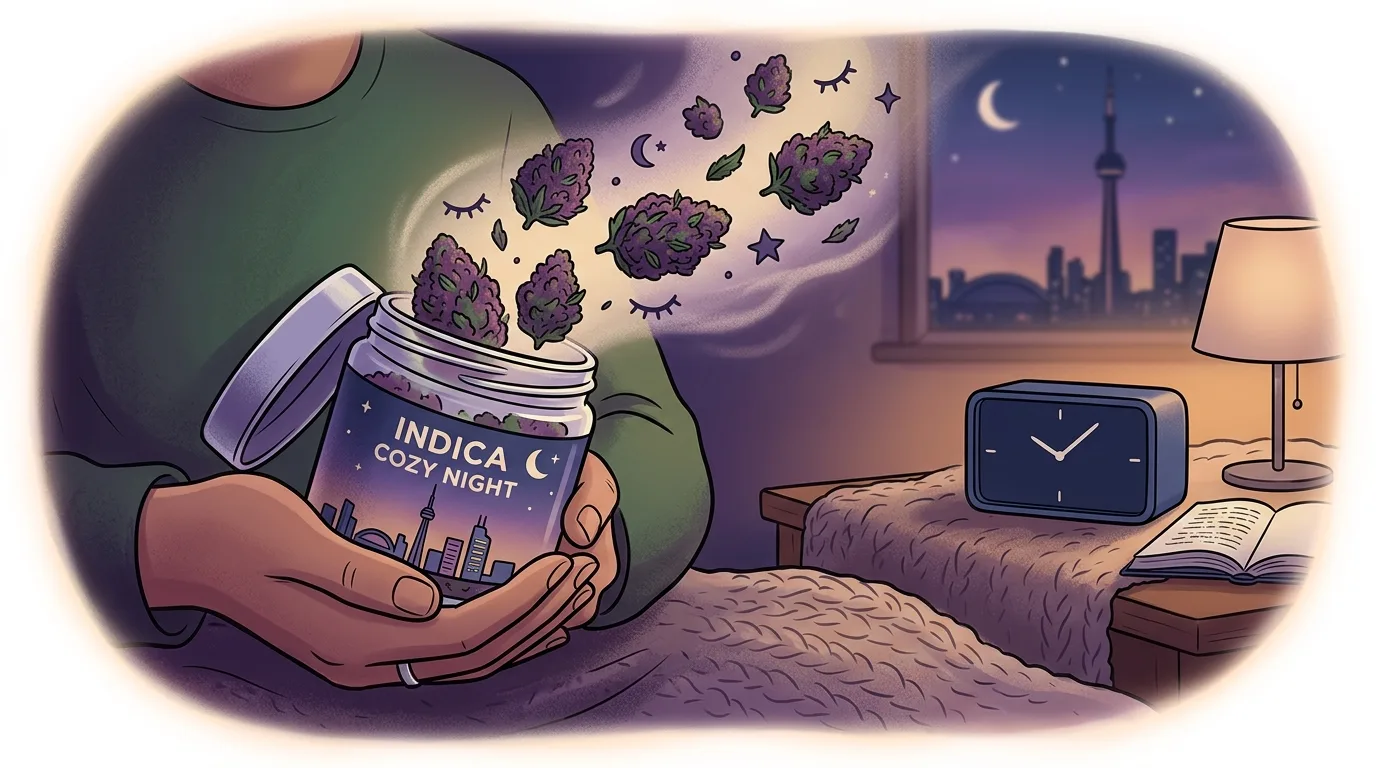
If you've ever laid awake at 2 AM scrolling through your phone, watching the clock tick closer to your alarm, you know the desperation of insomnia. For thousands of Toronto cannabis users, the solution isn't found in a pharmacy bottle,it's in the deeply relaxing embrace of a well-chosen indica strain. The best indica for sleep doesn't just make you drowsy; it quiets racing thoughts, releases physical tension, and guides your body into the kind of restorative rest that leaves you feeling genuinely refreshed.
But not all indicas are created equal when it comes to sleep. Some leave you couch-locked but mentally wired. Others produce sedation so heavy you wake up groggy. The strains Toronto's experienced cannabis consumers reach for at bedtime strike a careful balance: potent enough to overcome stubborn insomnia, gentle enough to let you wake up clear-headed, and consistent enough that you can rely on them night after night. Let's explore what makes certain indica strains exceptional sleep aids and which specific varieties are filling nightstands across the GTA.
Why Indica Strains Work Better for Sleep Than Sativa
The fundamental difference between indica and sativa strains lies in their terpene profiles and cannabinoid ratios, which produce distinctly different effects on your nervous system. Indica strains evolved in harsh mountain climates where compact, dense growth was advantageous, and this genetic heritage translates to effects that mirror the plant's physical characteristics: grounding, heavy, and inward-focused.
Indica-dominant strains typically contain higher levels of myrcene, a terpene with proven sedative properties that also enhances THC's ability to cross the blood-brain barrier. This terpene is also found in hops, chamomile, and lemongrass,plants humans have used as sleep aids for centuries. When combined with THC and CBD in the right ratios, myrcene creates what researchers call the "entourage effect," where compounds work synergistically to produce effects greater than any single cannabinoid could achieve alone.
The Body High vs. Head High Distinction
Sativa strains produce what users describe as a "head high",cerebral stimulation, creative thinking, and sometimes anxiety or racing thoughts. Indica strains deliver a "body high" characterized by physical relaxation, muscle tension release, and a gentle mental quieting. For sleep, this distinction is everything. You don't want your mind running through tomorrow's to-do list or exploring philosophical tangents at midnight.
The body-focused effects of indica strains work by activating CB1 receptors concentrated in your central nervous system and CB2 receptors found throughout your body's tissues. This dual activation produces both mental calm and physical relaxation,the exact combination needed to transition from wakefulness to sleep. Studies on cannabis and sleep architecture show that indica-dominant strains help users fall asleep faster and spend more time in deep, restorative sleep phases.
Cannabinoid Ratios That Promote Sleep
The best indica strains for sleep typically contain THC levels between 18-25%, which provides strong sedative effects without crossing into the territory where high doses can paradoxically increase anxiety. CBD content matters too,strains with 1-5% CBD offer anxiety reduction and muscle relaxation without diminishing THC's sleep-promoting effects. This ratio creates a balanced experience that addresses both the mental and physical barriers to sleep.
CBN (cannabinol) deserves special mention in any discussion of cannabis for sleep. This cannabinoid forms as THC degrades over time and possesses mild sedative properties. While fresh cannabis contains minimal CBN, slightly aged or properly cured flowers develop higher levels. Some Toronto users specifically seek out strains known for developing CBN during curing, creating what they call "sleepy weed" with enhanced sedative effects.
Top Indica Strains Toronto Insomniacs Swear By
After conversations with hundreds of Toronto cannabis consumers and reviewing the most popular strains ordered for evening use, clear favourites emerge. These aren't theoretical recommendations from cannabis magazines,they're the strains people actually reorder week after week because they reliably deliver sleep.
Pink Death Star: The Heavy-Hitter
Pink Death Star has earned cult status among Toronto's cannabis community for one simple reason: it works. This indica-dominant hybrid combines the legendary genetics of Pink Kush and Death Star, creating a strain that hits fast and hard. Users report feeling physical relaxation wash over them within minutes, starting in the shoulders and neck before spreading to the entire body.

Pink Death Star
Shop Pink Death Star - Cali Bricks, a indica cannabis flower, through Uper Weed’s Can...
What makes Pink Death Star exceptional for sleep is its ability to quiet mental chatter without producing the foggy grogginess some heavy indicas cause. The high starts with a gentle euphoria that eases stress and worry, then transitions into deep physical relaxation that makes your bed feel irresistible. Most users report falling asleep within 30-45 minutes of consumption, with sleep quality noticeably improved compared to nights without cannabis.
Platinum Bubba Kush: The Consistent Performer
Bubba Kush genetics have dominated the sleep-aid category for years, and Platinum Bubba Kush represents the pinnacle of this lineage. This strain produces a deeply sedating body high accompanied by mental tranquility that experienced users describe as feeling like a warm blanket wrapped around your consciousness.

Platinum Bubba Kush
Shop Platinum Bubba Kush, a indica cannabis flower, through Uper Weed’s Canadian onli...
The terpene profile of Platinum Bubba Kush leans heavily on myrcene and caryophyllene, creating earthy, spicy aromatics that signal your brain it's time to wind down. Many Toronto users include this strain in their nightly routine, consuming it 60-90 minutes before their target bedtime. The effects build gradually, giving you time to complete evening routines before the full sedative impact arrives.
Godfather OG: When Nothing Else Works
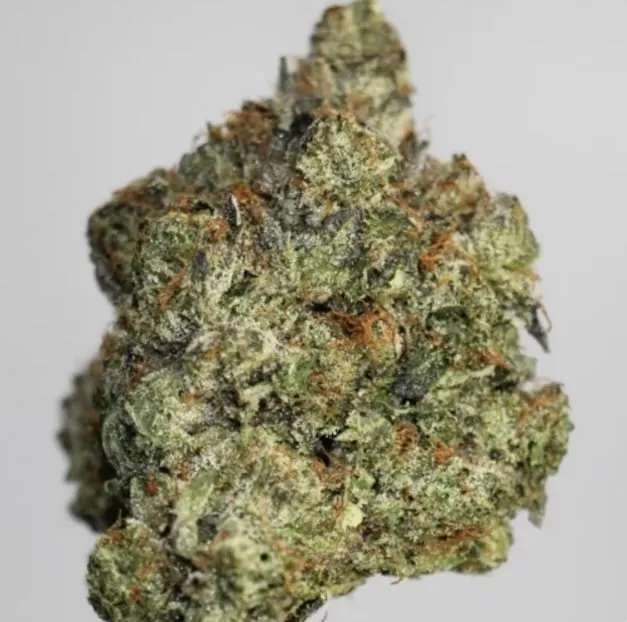
For chronic insomniacs who've built tolerance to other strains, Godfather OG represents the nuclear option. With THC levels frequently exceeding 25%, this strain doesn't mess around. The effects are immediate and intense,a heavy, almost narcotic body sensation that makes staying awake feel like swimming against a strong current.
Godfather OG
Shop Godfather OG, a indica cannabis flower, through Uper Weed’s Canadian online cann...
Despite its intensity, Godfather OG maintains surprising smoothness. Users don't report the paranoia or anxiety that sometimes accompanies ultra-high-THC strains. Instead, they describe profound relaxation, pain relief, and an almost irresistible urge to close their eyes. This strain is best reserved for nights when you have nowhere to be the next morning, as its effects can linger into the following day for inexperienced users.
King Louis XIII: Royal Treatment for Restless Nights
King Louis XIII brings old-world cannabis genetics into the modern sleep-aid conversation. This pure indica delivers effects that build slowly but last for hours, making it ideal for users who struggle with middle-of-the-night waking. The high starts with gentle mental relaxation, gradually deepening into full-body sedation that keeps you anchored in sleep through the night.

King Louis XIII
Shop King Louis XIII, a indica cannabis flower, through Uper Weed’s Canadian online c...
The terpene profile of King Louis XIII includes higher-than-average levels of linalool, the same compound found in lavender that's been used in sleep remedies for generations. This creates a uniquely calming experience that addresses both stress-related insomnia and physical discomfort. Toronto users particularly appreciate this strain for its consistency,each batch delivers similar effects, making it easy to dial in the perfect dose for your needs.
How to Use Indica Strains for Optimal Sleep Results
Having the right strain is only half the equation. How and when you consume it dramatically affects both immediate results and long-term effectiveness. The Toronto cannabis users who report the best sleep outcomes follow specific protocols that maximize benefits while minimizing tolerance buildup and next-day grogginess.
Timing Your Consumption
The biggest mistake first-time cannabis sleep users make is consuming too close to bedtime. While you might feel tired immediately, peak effects typically arrive 30-60 minutes after smoking or 90-120 minutes after consuming edibles. Consuming too late means you're fighting peak effects when you're trying to sleep, rather than riding them into slumber.
Experienced Toronto users recommend consuming 60-90 minutes before your target sleep time for inhalation methods. This gives you time to complete your evening routine,brushing teeth, setting out tomorrow's clothes, checking that the doors are locked,before the full sedative effects arrive. For edibles, extend this window to 2-3 hours and start with conservative doses, as sleep-specific edibles can be unpredictably potent.
Dosage Strategies That Actually Work
More isn't always better when it comes to cannabis for sleep. Moderate doses (10-15mg THC for edibles, 0.2-0.3g for smoking) often produce better sleep than heavy doses, which can leave you feeling foggy the next morning or create a "too high to sleep" paradox where you're exhausted but your heart rate is elevated.
Start low and increase gradually over several nights. Keep a simple sleep journal noting dose, strain, time consumed, how long it took to fall asleep, and how you felt the next morning. This data helps you identify your personal sweet spot,the dose that delivers sleep without side effects. Most Toronto users report finding their ideal dose within 2-3 weeks of consistent experimentation.
For detailed guidance on starting your cannabis journey safely and effectively, including dosage recommendations for beginners, check out our comprehensive walkthrough for first-time users.
Consumption Methods: Smoking vs. Vaping vs. Edibles
Each consumption method affects sleep differently. Smoking or vaping delivers fast-acting effects ideal for falling asleep quickly, but these effects also wear off faster,potentially leaving you awake at 3 AM as the high fades. Edibles take longer to kick in but provide sustained effects throughout the night, though they're harder to dose precisely and can cause grogginess if you take too much.
Many Toronto cannabis users employ a combination approach: a small vape hit 60 minutes before bed to initiate relaxation, followed by a low-dose edible (5-10mg) to maintain effects through the night. This strategy provides both the immediate sleep-inducing effects of inhalation and the sustained action of edibles. Others prefer pure inhalation methods, accepting that they might wake once during the night and need a second small dose.
Building Your Nighttime Cannabis Routine
The most successful cannabis sleep users don't just consume and crash. They build comprehensive nighttime routines that signal to their bodies that sleep is approaching, with cannabis as one element in a larger sleep hygiene practice. This approach produces better results and helps prevent tolerance from building as quickly.
Creating a Sleep-Conducive Environment
Cannabis works best when combined with proper sleep environment preparation. Toronto users who report the best results consume their indica strain of choice while simultaneously beginning their wind-down routine: dimming lights, lowering bedroom temperature to 18-20°C, eliminating blue light from screens, and perhaps running a fan for white noise.
This environmental preparation works synergistically with indica's effects. As the cannabis begins to relax your body and quiet your mind, your environment reinforces these signals. Your brain learns to associate these environmental cues with sleep, eventually making it easier to fall asleep even on nights when you don't use cannabis,an important consideration for preventing dependency.
Avoiding Tolerance Buildup
The reality of cannabis for sleep is that tolerance develops. Users who consume the same strain at the same dose every night often find diminishing effects within 3-6 weeks. Smart Toronto cannabis consumers prevent this through strategic variety and occasional tolerance breaks.
Rotate between 2-3 different indica strains rather than using the same one every night. While they may all be indicas, different terpene profiles and cannabinoid ratios mean your endocannabinoid system doesn't adapt as quickly. Some users also implement a 2-nights-on, 1-night-off pattern, using alternative sleep aids on their off nights. Others take a full week off every month, using this time to reset their tolerance while relying on non-cannabis sleep strategies.
Understanding safe ordering practices and reliable sourcing becomes essential when rotating strains, as consistency and quality matter even more when you're using cannabis medicinally.
What Science Says About Cannabis and Sleep Quality
While anecdotal evidence from Toronto's cannabis community is compelling, scientific research provides important context about how cannabis affects sleep architecture and whether using it nightly creates long-term consequences. The research picture is more nuanced than simple "cannabis helps you sleep" narratives suggest.
Sleep Architecture and REM Sleep
Sleep isn't uniform,it cycles through distinct stages, each serving different restorative functions. Studies show that THC increases time spent in deep sleep (Stage 3 and 4 non-REM sleep), which is when your body performs physical restoration and immune system maintenance. This explains why cannabis users often report feeling more physically refreshed after sleep.
However, THC also reduces REM sleep, the stage associated with dreaming and emotional processing. Regular cannabis users often report fewer dreams or not remembering dreams at all. When they stop using cannabis, they experience "REM rebound",an increase in vivid, sometimes intense dreams as their brain catches up on missed REM sleep. This doesn't appear to cause problems for most users, but it's worth understanding when using cannabis for sleep long-term.
Long-Term Use Considerations
Research on long-term cannabis use for sleep remains limited, but available studies suggest it's relatively safe when used responsibly. A 2021 study found that medical cannabis users who consumed primarily for sleep showed stable dosing patterns over 12 months,they didn't require constantly increasing doses, suggesting manageable tolerance development.
However, the same research indicates that abrupt cessation after regular use can temporarily worsen insomnia for 2-7 days. This "rebound insomnia" is generally mild compared to withdrawal effects from pharmaceutical sleep aids, but it's worth planning for if you need to stop using cannabis. Gradual dose reduction over 1-2 weeks minimizes these effects.
Finding Quality Indica Strains in Toronto
Knowing which strains work for sleep matters little if you can't reliably source quality products. Toronto's cannabis market offers numerous options, from government-regulated stores to mail-order services, each with distinct advantages for sleep-focused consumers.
What to Look for in a Cannabis Provider
Quality and consistency should be your primary concerns when selecting a cannabis source for sleep. Sleep is too important to gamble on inconsistent products that work one week and fail the next. Look for providers who offer detailed strain information including cannabinoid testing, terpene profiles, and harvest/cure dates. Fresher cannabis generally provides more predictable effects.
Customer reviews focused on specific use cases (like sleep) provide valuable information beyond generic "great stuff" comments. Look for reviewers who describe their insomnia severity, how much they consumed, and specific effects experienced. These detailed reports help you gauge whether a strain will work for your particular sleep challenges.
For Toronto residents specifically, understanding local delivery coverage and realistic timelines ensures you never run out of your sleep medication at inconvenient times. Running out on a Friday night when you're already exhausted creates unnecessary stress.
Mail-Order Advantages for Sleep-Focused Users
Mail-order cannabis services offer specific advantages for people using cannabis primarily for sleep. Selection typically exceeds what physical stores carry, allowing you to find specialized sleep strains rather than settling for whatever indica happens to be in stock. Delivery to your door eliminates the need to travel to dispensaries when you're already exhausted.
Many mail-order services also offer detailed product descriptions and customer support that can guide strain selection based on your specific sleep issues. Whether you struggle with falling asleep, staying asleep, or both, knowledgeable staff can recommend appropriate strains and consumption methods. Bulk ordering options let you stock up on strains you know work, ensuring consistency night after night.
Learning how the mail-order process works and what to expect with shipping times helps you plan orders so you never face a night without your preferred sleep aid. Most services offer tracking and discreet packaging, with delivery timelines ranging from next-day to 2-3 days depending on your location.
Combining Indica Strains with Other Sleep Strategies
The Toronto cannabis users who report the best long-term sleep outcomes don't rely on indica strains alone. They use cannabis as one tool in a comprehensive sleep improvement strategy that addresses multiple aspects of sleep hygiene, stress management, and lifestyle factors.
Non-Cannabis Sleep Aids That Complement Indica Effects
Magnesium supplements taken 30-60 minutes before bed enhance cannabis's muscle-relaxing effects and support natural melatonin production. L-theanine, an amino acid found in tea, promotes relaxation without sedation and pairs well with lower doses of indica strains. Many users also incorporate CBD-only products on their cannabis-free nights, maintaining some cannabinoid influence while giving their THC tolerance a break.
Herbal teas containing chamomile, valerian root, or passionflower create ritual around your cannabis consumption while providing additional mild sedative effects. The act of making and sipping tea also serves as a transition activity, signaling to your body that the active part of your day is ending. This ritual becomes psychologically powerful over time, with your brain learning to initiate sleep preparation as soon as you put the kettle on.
Lifestyle Factors That Multiply Cannabis Effectiveness
Regular exercise, particularly 4-6 hours before bedtime, increases sleep pressure (your body's natural drive to sleep) and makes cannabis's sedative effects more potent. However, exercising too close to bedtime can be counterproductive, as it elevates body temperature and cortisol levels. Morning or early afternoon exercise produces the best results for evening sleep.
Caffeine management matters more than most cannabis users realize. Even afternoon caffeine can interfere with sleep quality, reducing the effectiveness of your evening indica. Toronto's coffee culture makes this challenging, but switching to decaf after 2 PM or eliminating caffeine entirely often dramatically improves sleep outcomes when combined with cannabis use.
Blue light exposure from screens, particularly in the 2-3 hours before bed, suppresses melatonin production and can partially counteract indica strains' sleep-promoting effects. Using blue-light-blocking glasses, enabling night mode on devices, or simply avoiding screens during your wind-down routine amplifies cannabis's benefits considerably.
Troubleshooting Common Issues with Cannabis for Sleep
Even with the right strain and proper consumption timing, some Toronto users encounter challenges that prevent cannabis from working optimally for sleep. Understanding these common issues and their solutions helps you adjust your approach rather than abandoning cannabis as a sleep aid entirely.
When You're "Too High to Sleep"
Paradoxically, consuming too much cannabis can make sleep harder, not easier. Very high doses sometimes increase heart rate and create a racing mind effect despite physical relaxation. If you find yourself exhausted but unable to drift off, you've likely exceeded your ideal dose. The solution is obvious but requires patience: reduce your dose by 25-30% for several nights and observe the results.
If you've already consumed too much and can't sleep, try the following: drink water to stay hydrated, practice deep breathing exercises to slow your heart rate, focus on progressive muscle relaxation starting with your toes and working upward, and remind yourself that the feeling will pass and you're not in danger. CBD can also help counteract excessive THC effects if you have it available.
Morning Grogginess and Cannabis Hangover
Some indica strains, particularly heavy-hitting varieties like Godfather OG, can leave users feeling foggy the next morning. This "cannabis hangover" isn't dangerous but it's inconvenient for people with demanding morning schedules. If you experience this regularly, try consuming earlier in the evening (giving effects more time to wear off before morning), reducing your dose, or switching to strains with higher CBD content.
Hydration plays a surprisingly large role in morning clarity after cannabis use. Drinking 16-20 ounces of water before bed and another glass upon waking helps flush cannabinoid metabolites and reduces grogginess. Morning exercise, even just 10 minutes of movement, also accelerates the transition to clear-headedness by increasing circulation and oxygen flow to your brain.
Tolerance Development and Diminishing Effects
If your go-to strain stops working as well after weeks or months of use, tolerance buildup is the likely culprit. Rather than continuously increasing doses (which accelerates tolerance), implement strategic tolerance management: rotate strains every 1-2 weeks, take 2-day breaks from cannabis monthly, or try a full tolerance reset of 1-2 weeks every few months.
During tolerance breaks, expect temporary sleep disruption. Prepare by scheduling breaks during less stressful periods, using alternative sleep aids like melatonin or magnesium, and doubling down on other sleep hygiene practices. Most users report sleep normalizing within 3-5 nights, with substantially improved cannabis effectiveness when they resume use.
Start with a small amount,approximately 0.2 to 0.3 grams (about the size of a grain of rice when packed) for smoking or vaping. Consume 60-90 minutes before your target bedtime and wait to assess effects before considering more. Most experienced users find their optimal dose is smaller than they initially expected, typically between 0.2-0.5 grams depending on the strain's potency and individual tolerance. It's much easier to take slightly more if needed than to deal with consuming too much.
Pink Death Star, Platinum Bubba Kush, and Godfather OG consistently rank as top choices among Toronto cannabis users for sleep. Pink Death Star offers a balance of potency and smoothness that works for most people, Platinum Bubba Kush provides reliable consistency night after night, and Godfather OG serves as the heavy-hitting option for chronic insomnia. The 'best' strain varies by individual,what works for your tolerance, body chemistry, and specific sleep challenges may differ from others.
Some tolerance development is inevitable with nightly use, but you can minimize it through strategic rotation and dosage management. Alternate between 2-3 different indica strains rather than using the same one every night, as different terpene profiles prevent your endocannabinoid system from fully adapting. Consider implementing 1-2 cannabis-free nights per week or taking a full week off monthly. Most Toronto users report stable, effective sleep benefits for months or years when following these practices, though your mileage may vary based on individual physiology.