Living in a Toronto condo comes with plenty of perks: great views, walkable neighbourhoods, and the ability to get practically anything delivered to your door. What you don't get is much distance from your neighbours.
That becomes pretty obvious the second someone lights a joint.
Cannabis smoke has a habit of travelling through hallways, slipping under doors, lingering on furniture, and somehow announcing your evening plans to people three units away. Even if cannabis is allowed where you live, nobody wants to be the neighbour responsible for making the entire floor smell like weed.
If you're wondering how to hide weed smell in an apartment, the answer isn't drowning your living room in air freshener. Good smell control comes down to understanding airflow, reducing smoke in the first place, and choosing lower-odour cannabis formats when discretion actually matters.
Here's what works, what mostly doesn't, and how to enjoy cannabis at home without sharing the experience with the entire building.
Why Weed Smell Is So Hard to Hide in an Apartment
Cannabis doesn't produce a subtle smell.
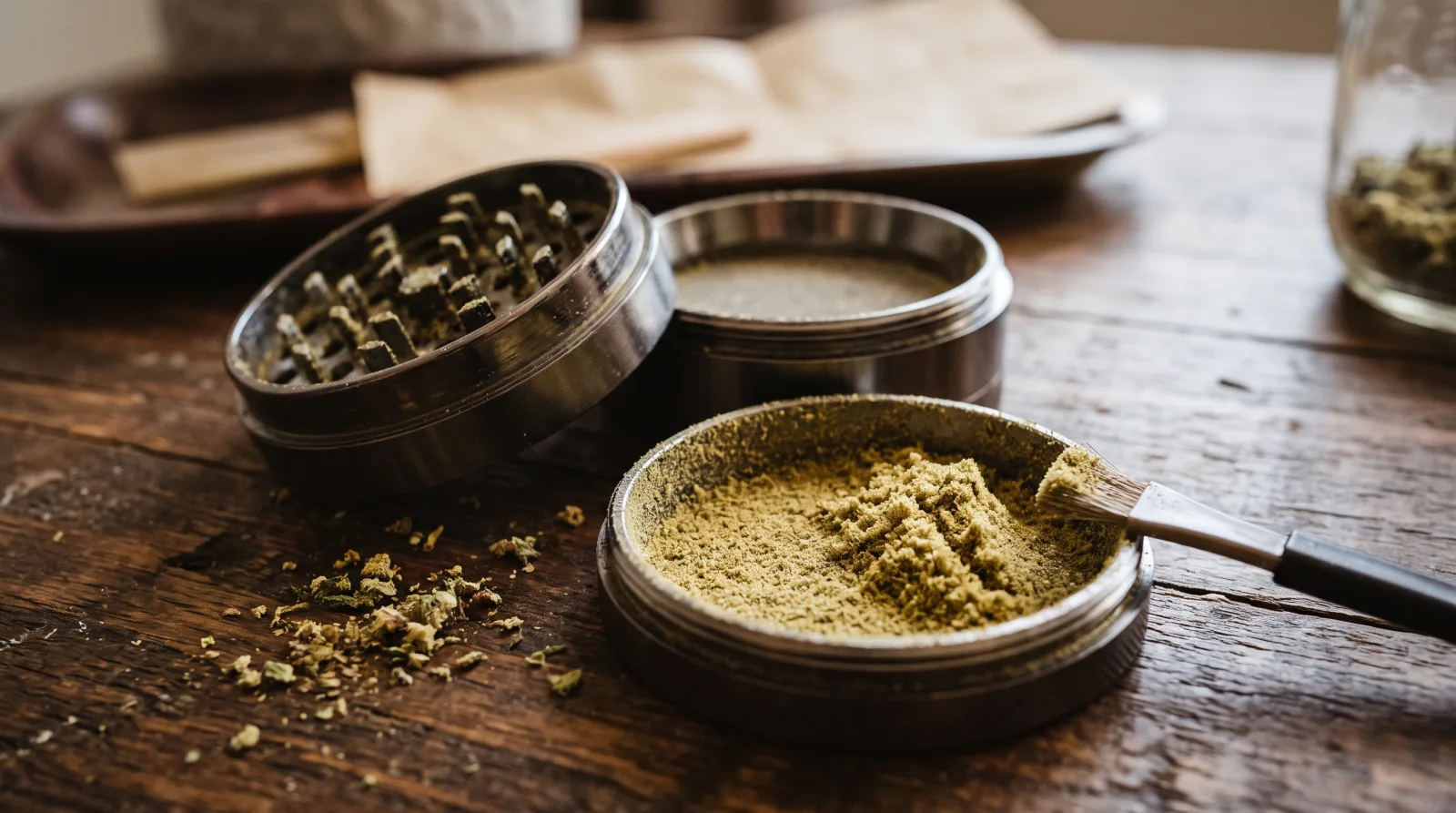
Flower contains aromatic compounds called terpenes that give different strains their distinctive citrus, pine, fruity, earthy, or skunky aromas. Once cannabis is burned, those aromas mix with smoke and airborne particles that can stick to fabrics and travel surprisingly far.
In a detached home, that's mostly your problem.
In a condo, airflow makes it everybody's problem.
Apartments and condos can share hallways, ventilation systems, elevator areas, balconies, and other common spaces. Air can also escape through gaps around your front door or move between spaces when windows are opened.
That's why simply opening a window isn't always enough.
The best way to control weed smell in an apartment is to reduce the amount of smoke you create, control where the air travels, ventilate strategically, and choose lower-odour formats such as vapes or edibles when discretion matters.
The important word there is reduce.
If you're actively burning cannabis indoors, completely eliminating the smell while you're smoking is difficult. You're better off controlling it than pretending there's a secret trick that makes smoke disappear.
Start With Airflow, Not Air Freshener
One of the biggest mistakes people make is trying to cover cannabis smell rather than remove it.
Spraying half a bottle of tropical air freshener doesn't eliminate weed smoke.
Now your condo just smells like weed and artificial mango.
Airflow is much more important.
If you're consuming somewhere that smoking is permitted, choose a room where you can move air directly outdoors rather than toward your hallway or the rest of your condo.
A window can help, but how you use it matters.
Placing a fan near the window and directing air outward can help move smoky air outside instead of simply circulating it around your room. Keep interior doors closed so the smell has fewer opportunities to spread throughout your home.
Your front door deserves attention too.
If you can smell cooking from the hallway while standing inside your unit, air is clearly moving between those spaces. The same thing can happen in reverse with cannabis smoke.
Keeping your session away from the entrance reduces the chance of odour escaping into shared areas.
Do Sploofs Actually Work?
Ah, the sploof.
A homemade tube stuffed with dryer sheets has probably existed for almost as long as teenagers have tried hiding weed smell from their parents.
The idea is simple: exhale through the tube and let the material inside trap or disguise some of the smell.
Does it work?
Sort of.
A basic homemade sploof may reduce some of the odour from the smoke you exhale, but it has a major limitation: it does absolutely nothing about the smoke coming directly from a burning joint or bowl.
That's called sidestream smoke, and it can be a major source of cannabis odour during a session.
Commercial smoke filters using activated carbon generally do a better job filtering exhaled smoke than a cardboard tube filled with scented dryer sheets. But even a good personal filter isn't an invisible-smoke machine.
If your joint is burning between hits, the room can still smell.
A sploof or personal smoke filter can reduce the smell of exhaled smoke, but it can't capture smoke coming directly from a burning joint, pipe, or bowl. Think of it as one tool, not a complete smell-control system.
If discretion is your priority, reducing combustion entirely makes a much bigger difference.
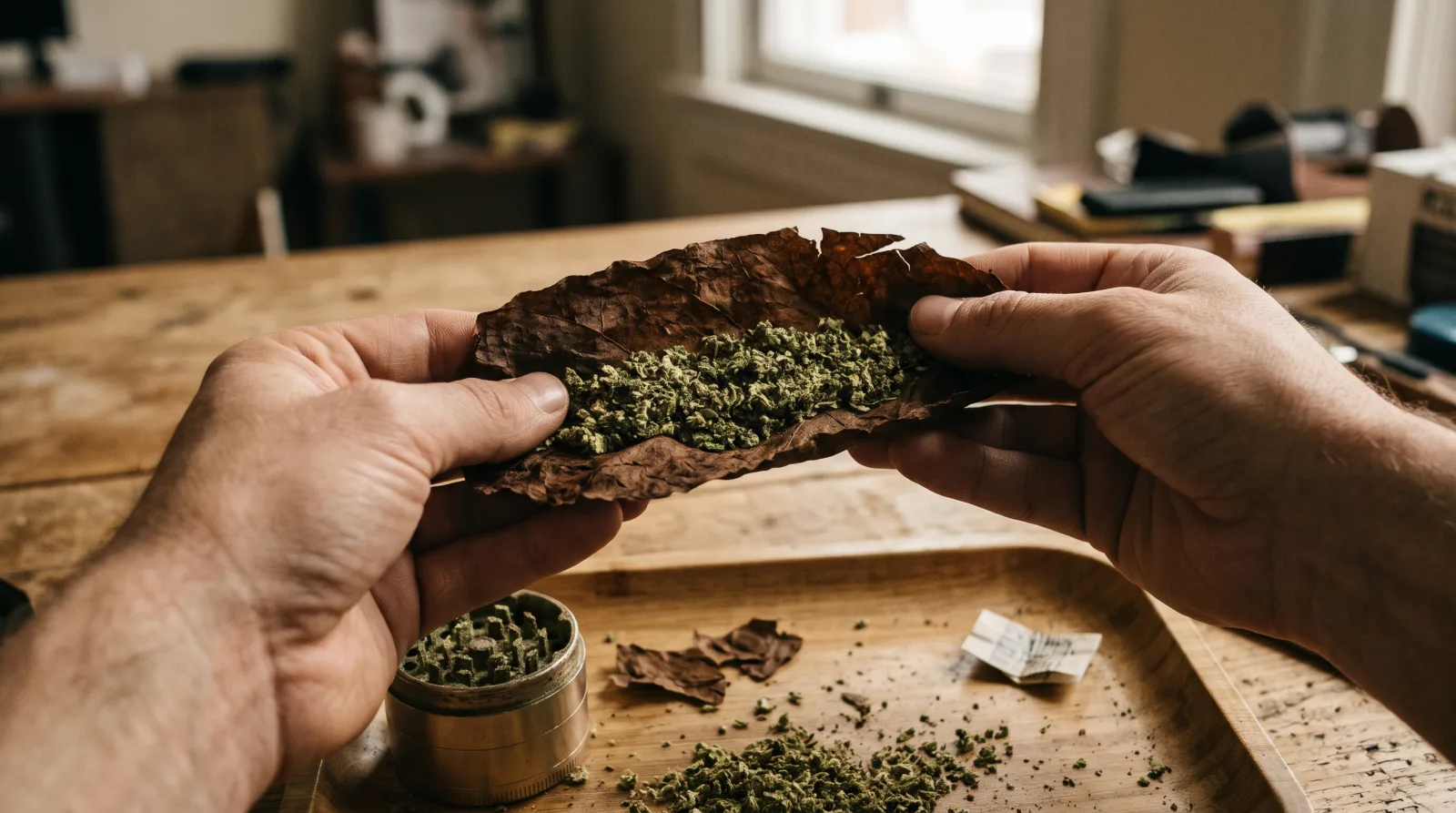
Joints Are Basically the Worst Option for Discretion
We love a classic joint, but let's give it an honest performance review.
For smell control?
Not great.
A joint continuously burns between hits. That means it's producing smoke while you're inhaling, exhaling, talking, checking your phone, or spending three minutes trying to decide what to watch on Netflix.
More burning means more smoke.
More smoke means more smell.
Bowls and pipes can sometimes produce less continuous smoke because you're burning smaller amounts at once, but you're still combusting flower.
If you're specifically trying to figure out how to hide weed smell in an apartment, the easiest improvement may be changing your consumption method rather than trying increasingly elaborate ways to hide joint smoke.
Vapes Produce Much Less Lingering Odour
This is where cannabis vapes become particularly useful for condo living.
Vapour isn't odourless. Depending on the product, people nearby may still notice a cannabis-like or terpene-heavy aroma immediately after you exhale.
But the smell generally behaves differently from burnt flower.
There's no continuously burning joint producing sidestream smoke, and vapour tends to dissipate faster than traditional cannabis smoke.
That makes vaping one of the more practical inhaled options when you want to keep your session relatively discreet.
You can browse our vape selection if you're looking for an alternative to smoking flower indoors.
Just don't interpret "lower odour" as "no odour."
Taking enormous hits in a tiny bathroom with no ventilation can still leave a noticeable smell. Smaller sessions combined with sensible airflow are much easier to manage.
Edibles Win the Smell-Control Competition
If your only goal is avoiding cannabis smell inside your condo, edibles are difficult to beat.
There's no combustion.
No smoke.
No vapour.
And no cloud drifting toward your neighbour's balcony.
The product itself may have a mild cannabis aroma, but consuming a gummy or other prepared edible isn't going to fill your condo with the smell of a freshly lit joint.
There is one obvious catch.
Edibles and inhaled cannabis aren't interchangeable experiences.
Edibles usually take considerably longer to produce noticeable effects and can last much longer. That makes careful dosing particularly important.
Don't take more simply because you don't feel anything after twenty minutes.
Smell control is great.
Accidentally turning your quiet Tuesday night into an eight-hour commitment isn't.
An Air Purifier Can Help, But Choose the Right One
Air purifiers can be useful for managing indoor cannabis odour, but not every filter does the same job.
A standard HEPA filter is designed primarily to capture airborne particles.
For odours, activated carbon is particularly important because it can adsorb many of the compounds responsible for smells.
Ideally, look for an air purifier that combines particle filtration with a meaningful activated-carbon component.
Placement matters too.
Running a purifier in the opposite corner of your condo while you're smoking beside the front door isn't exactly maximizing its potential.
Place it relatively close to where odour is being generated and allow it to continue running after your session.
Still, don't expect miracles.
An air purifier is much better viewed as part of your smell-control setup rather than permission to smoke endlessly indoors without consequences.
Fabrics Hold Onto Weed Smell
Ever notice that the room smells fine the next morning but your hoodie definitely doesn't?
Smoke sticks around.
Curtains, bedding, couches, rugs, clothing, and other soft materials can hold odours long after the visible smoke disappears.
That's one reason repeated indoor smoking can create a lingering smell even when nobody is actively consuming cannabis.
If you regularly smoke indoors, basic cleaning makes a difference.
Wash blankets and removable covers occasionally. Don't leave ashtrays sitting full overnight. Empty garbage containing roaches or burnt flower. Wipe down nearby hard surfaces and wash clothing that has absorbed smoke.
Your ashtray deserves special attention.
A half-smoked joint sitting in an ashtray can continue making a room smell long after your session ends.
Use a container with a proper lid for leftover flower, roaches, and anything else particularly aromatic.
Store Your Weed Properly Too
Sometimes the session isn't actually the biggest smell problem.
Your stash is.
Fresh cannabis flower can have an extremely strong aroma, especially when you're storing larger amounts or particularly terpene-rich strains.
Leaving flower in an open bag on your desk guarantees that your room is going to smell like it.
Use an airtight container.
Glass jars with proper seals are a simple option. Purpose-built smell-resistant containers and bags can provide another layer of discretion.
Whatever you choose, the basic principle is the same: if air can easily get out of the container, smell probably can too.
Don't Forget Your Condo Rules
Cannabis being legal doesn't automatically mean you can smoke it anywhere you want.
Condo corporations, landlords, leases, and building policies may place restrictions on smoking or vaping inside units, on balconies, or in shared spaces.
Rules can differ from one building to another.
Before deciding that your balcony is the perfect solution, check what's actually permitted where you live.
There's also the neighbour factor.
Even when you're technically allowed to consume cannabis somewhere, smoke drifting directly into the unit next door isn't exactly a recipe for great neighbourly relations.
Being discreet isn't only about avoiding complaints.
It's about recognizing that other people share the building with you.
Smoking and vaping policies vary between Toronto condos, apartments, and rental properties. Check your lease, condo rules, and applicable building policies before consuming cannabis indoors or on a balcony.
The Best Condo Smell-Control Setup
If you're going to consume cannabis at home and want to keep odour as low as reasonably possible, don't rely on one trick.
Combine several.
Choose a lower-odour format: Vapes and edibles generally create less lingering cannabis odour than burning flower.
Control airflow: Keep smoky air away from hallways and shared spaces and, where permitted and practical, ventilate toward the outdoors.
Use a personal smoke filter: It can help with exhaled smoke if you're smoking flower, although it won't solve sidestream smoke.
Run an appropriate air purifier: Activated carbon can help manage odours while particle filtration deals with airborne particles.
Store cannabis properly: Keep flower and leftover products in airtight containers.
Clean up afterward: Ashtrays, roaches, fabrics, and garbage can keep producing odour long after the session.
Respect the building: Your ideal setup shouldn't involve transferring the smell from your condo directly into somebody else's.
None of these methods alone is perfect.
Together, they're significantly more effective than spraying air freshener and hoping for the best.
Frequently Asked Questions
Focus on reducing smoke rather than simply covering the smell. Control airflow, keep smoke away from hallways, use proper ventilation where appropriate, store cannabis in airtight containers, clean up ash and roaches promptly, and consider lower-odour formats such as vapes or edibles.
Opening a window can help, but airflow direction matters. A fan directing air outdoors may be more effective than simply opening a window and allowing smoke to circulate around the room. Be mindful that smoke leaving your window or balcony can also reach neighbouring units.
Sploofs can reduce some odour from exhaled smoke, particularly filters that use activated carbon. However, they don't capture smoke coming directly from a burning joint or bowl, so they aren't a complete solution.
Cannabis vapes can produce a noticeable aroma, particularly immediately after exhaling, but the smell generally dissipates faster and doesn't linger like smoke from burning flower. They are lower-odour rather than completely odourless.
Prepared edibles produce virtually no airborne cannabis smoke or vapour during consumption, making them one of the lowest-odour options. Vapes are another lower-odour choice for people who prefer inhalation, although they can still produce a temporary smell.
An air purifier can help, particularly one containing activated carbon for odour control alongside particle filtration. It won't instantly eliminate all cannabis smoke or smell, so it works best alongside ventilation and reduced indoor smoke production.
The Bottom Line on Keeping Cannabis Smell Under Control
Figuring out how to hide weed smell in an apartment isn't really about finding one clever hack.
It's about producing less smell in the first place.
Burning flower, particularly a continuously burning joint, is naturally difficult to hide. Good airflow, activated-carbon filtration, airtight storage, regular cleaning, and personal smoke filters can all help, but they aren't going to make combustion magically odourless.
If discretion is genuinely important, changing your consumption method can make the biggest difference.
Vapes offer an inhaled cannabis experience with considerably less lingering odour than smoking flower, while edibles remove smoke and vapour from the equation entirely.
And whatever method you prefer, remember that condo living is shared living.
Keeping your session discreet isn't just about preventing someone from knowing you're consuming cannabis. It's about enjoying your own space without making your neighbours participate in the experience.
Looking for a more discreet alternative to smoking flower? Browse our cannabis vape selection for convenient, lower-odour options.Explore Our Vape Selection